Author: bsn_admin

  • Dave Kendall, Creator and Longtime Host of MTV’s 120 Minutes, Dies

    Dave Kendall, Creator and Longtime Host of MTV’s 120 Minutes, Dies

    Dave Kendall, the creator and longtime host of MTV’s influential alternative music program ‘120 Minutes,’ has died. His passing was reported by Variety on July 15, 2026. Kendall’s program provided a crucial platform for alternative and indie rock artists, shaping a formative era for the genre and influencing a generation of music fans.

    The news has evoked widespread nostalgia among those who grew up with ‘120 Minutes.’ The show offered a unique space for music often overlooked by mainstream programming, fostering a community around alternative culture.

    The Genesis of ‘120 Minutes’

    ‘120 Minutes’ premiered on MTV in 1986. This launch came during a period when MTV’s programming was increasingly dominated by pop and mainstream rock. The network had established itself as a cultural powerhouse in the early 1980s, but its focus was primarily on artists with significant commercial appeal.

    Kendall recognized a void. There was a burgeoning scene of alternative, college rock, and indie artists who lacked a national visual platform. His concept for ‘120 Minutes’ aimed to fill this gap, providing a dedicated two-hour slot for these less conventional sounds.

    The show aired late on Sunday nights, typically starting at midnight Eastern Time. This late-night slot became synonymous with discovery for many viewers. It was a time when the broader audience might be asleep, but dedicated music enthusiasts were awake and seeking new sounds.

    Early Challenges and Vision

    MTV, initially launched in 1981, had rapidly become a dominant force in music promotion. However, its programming decisions were often guided by record sales and chart performance. The idea of dedicating significant airtime to artists who were not yet commercially successful was a departure from this model.

    Kendall’s vision was to champion the underground. He believed in the artistic merit of bands operating outside the mainstream. This commitment defined the show’s identity from its inception.

    He was instrumental in curating the content, selecting music videos, and identifying artists for interviews and live performances. This curatorial role was critical in establishing ‘120 Minutes’ as an authoritative voice in alternative music.

    Kendall’s Tenure and Influence

    Dave Kendall served as host of ‘120 Minutes’ during its most influential years. His calm demeanor and genuine enthusiasm for the music resonated with viewers. He was not merely a presenter but an arbiter of taste, guiding audiences through the diverse landscape of alternative rock.

    His interviews often delved deeper than typical music television segments. They explored the creative processes and philosophies of artists. This approach fostered a sense of authenticity that viewers appreciated.

    During Kendall’s time, ‘120 Minutes’ became a gateway for numerous bands. Artists who would later achieve global recognition found their earliest national exposure on the program. These included acts like R.E.M., The Cure, Nirvana, and Smashing Pumpkins.

    Defining a Generation’s Sound

    The program’s impact extended beyond individual bands. It helped define the sound and aesthetic of an entire generation. For many, Sunday nights with ‘120 Minutes’ were a ritual.

    It was a communal experience for a demographic that felt alienated by mainstream culture. The show validated their musical preferences and connected them to a broader community of like-minded listeners.

    Kendall’s presence provided a consistent, knowledgeable guide through this musical landscape. He was the familiar face introducing unfamiliar but compelling sounds. His influence shaped the musical tastes of countless individuals who were coming of age in the late 1980s and early 1990s.

    The Program’s Evolution and Legacy

    ‘120 Minutes’ continued to air on MTV and later on MTV2, undergoing various host changes and format adjustments over the years. However, its foundational identity, established by Kendall, remained.

    It provided a template for subsequent alternative music programming. The show demonstrated that there was a significant audience for non-mainstream music. This paved the way for other specialized music programs and channels.

    The program’s reach was global. While based in the United States, MTV’s international presence meant that ‘120 Minutes’ also introduced alternative music to audiences worldwide. This broadened the cultural impact of the genre considerably.

    Impact on Music Industry and Culture

    The success of ‘120 Minutes’ had tangible effects on the music industry. It proved to record labels that there was a viable market for alternative artists. This led to increased investment in bands that might previously have been considered niche.

    The show played a significant role in the rise of grunge and alternative rock in the early 1990s. Nirvana’s breakthrough, for instance, was heavily supported by MTV, including initial airplay on ‘120 Minutes’ before their mainstream explosion.

    Culturally, ‘120 Minutes’ fostered a sense of belonging for many. It was a space where difference was celebrated, and artistic integrity was prioritized over commercial appeal. This counter-narrative was vital during a period of increasing commercialization in media.

    Remembering Dave Kendall

    As of July 16, 2026, details surrounding Kendall’s passing are still emerging. The initial report from Variety confirmed his death on July 15, 2026. Further information regarding the cause of death or memorial services has not yet been widely released. The story remains in its early stages of development.

    The music community, artists, and former viewers of ‘120 Minutes’ are beginning to react to the news. Many are sharing memories of Kendall’s impact on their musical discovery and the cultural significance of the show.

    Social media platforms are filled with tributes. Musicians who were featured on the program, as well as fans who watched religiously, are expressing their gratitude for his work. They remember his dedication to presenting diverse and challenging music.

    A Lasting Influence

    Kendall’s vision provided an essential counter-narrative to MTV’s more pop-oriented programming. It carved out a space for artists who defied easy categorization. His work left an indelible mark on the landscape of music television.

    The show’s influence extended beyond just playing music videos. It fostered a community around alternative culture. Many credit Kendall and ‘120 Minutes’ with helping to break artists who might otherwise have struggled to find a national audience.

    His legacy is one of genuine passion for music and a commitment to showcasing emerging talent. He championed sounds that were often overlooked, giving them a voice and a visual platform.

    Fans remember. Artists remember. A generation remembers.

    Dave Kendall.

  • Jessica Alba to Star in Netflix’s ’13 Going On 30′ Reboot

    Jessica Alba to Star in Netflix’s ’13 Going On 30′ Reboot

    Jessica Alba to Lead Netflix’s ’13 Going On 30′ Reboot

    Jessica Alba has officially joined the cast of Netflix’s upcoming reboot of the 2004 romantic comedy ’13 Going On 30′. She will portray the adult version of Jenna Rink, the central character who magically transforms from a 13-year-old girl into a 30-year-old woman. This casting decision places a well-known actress and entrepreneur at the forefront of a highly anticipated project, aiming to reinterpret the beloved narrative for a modern audience.

    The original film, starring Jennifer Garner as Jenna Rink and Mark Ruffalo as Matty Flamhaff, achieved significant commercial and critical success upon its release. It explored themes of childhood wishes, adult responsibilities, and the longing for a simpler past. Alba’s involvement suggests a fresh take on these familiar elements, promising a new perspective on the iconic role.

    The Legacy of the Original Film

    The 2004 film ’13 Going On 30′ resonated with audiences worldwide. It told the story of Jenna Rink, a 13-year-old girl who wishes to be 30 and magically wakes up as an adult woman. Jennifer Garner’s performance as the adult Jenna, navigating corporate life with a teenage mindset, was widely praised for its humor and heart.

    Gary Winick directed the original film. It grossed over $96 million globally against a $37 million budget. The movie became a touchstone for a generation, remembered for its humor, heart, and iconic dance sequences, particularly to Michael Jackson’s ‘Thriller’. Its themes of self-acceptance, true friendship, and the pressures of adulthood remain relevant.

    The enduring popularity of ’13 Going On 30′ contributed to the decision for a contemporary reboot. Many viewers have expressed a desire to see how these themes translate into the social and cultural landscape of 2026. The original’s blend of fantasy and relatable life lessons established it as a romantic comedy classic.

    Jessica Alba’s Diverse Career Trajectory

    Jessica Alba brings a diverse career background to her role in the ’13 Going On 30′ reboot. She gained prominence in the early 2000s with significant roles in both television and film. Her breakthrough came with the lead role in James Cameron’s Fox sci-fi series ‘Dark Angel’, which premiered in 2000 and established her as a rising star.

    Early Film Successes

    Following ‘Dark Angel’, Alba starred in numerous successful films across various genres. These included the dance film ‘Honey’ (2003), the neo-noir crime thriller ‘Sin City’ (2005), the superhero blockbuster ‘Fantastic Four’ (2005) where she played Sue Storm/Invisible Woman, and the action-adventure ‘Into the Blue’ (2005). During this period, she established herself as a prominent leading lady in Hollywood, known for her charismatic screen presence.

    Entrepreneurial Ventures and The Honest Company

    In 2011, Alba co-founded The Honest Company, a consumer goods brand focusing on natural, safe, and ethical products for families. This venture marked a significant pivot in her career, establishing her as a successful entrepreneur and business leader. The company grew rapidly, reflecting a growing consumer demand for transparent and sustainable products.

    The Honest Company went public on the Nasdaq stock exchange in May 2021, further solidifying Alba’s business acumen and influence beyond the entertainment industry. Her role as a founder and chief creative officer demonstrated her commitment to social impact and product innovation.

    Balancing Acting and Business

    Alba has continued to act selectively, balancing her entrepreneurial commitments with film and television projects. Her recent acting work includes the Netflix action film ‘Trigger Warning’, released in June 2024, where she played a special forces commando. Her return to a major studio project like the ’13 Going On 30′ reboot indicates a renewed focus on her acting career and a strategic choice of high-profile roles. This dual career path provides her with a unique perspective that could enrich her portrayal of an adult Jenna Rink, who herself navigates career and personal ambition.

    Netflix’s Strategy: Leaning into Nostalgia with Reboots

    Netflix has increasingly invested in reboots, remakes, and sequels of popular intellectual properties. This strategy aims to leverage existing fan bases and attract new subscribers by capitalizing on nostalgia. The ’13 Going On 30′ reboot fits squarely within this content approach, offering a familiar story with a fresh perspective for its global audience.

    Successful Reboot Examples on Netflix

    Other examples of Netflix’s successful reboot strategy include ‘Fuller House’, a continuation of the beloved sitcom ‘Full House’, which brought back original cast members and resonated with long-time fans. Another notable project was ‘Gilmore Girls: A Year in the Life’, which revived the popular mother-daughter drama, offering closure and new stories to its dedicated viewership.

    These projects often capitalize on nostalgia while updating narratives for contemporary sensibilities and diverse audiences. They demonstrate Netflix’s understanding of the emotional connection viewers have with classic stories and characters. The streaming giant faces intense competition in the entertainment landscape. Original content, alongside strategic reboots, helps Netflix maintain its subscriber base and attract new viewers. The ’13 Going On 30′ reboot is expected to be a significant draw for the platform, aiming to replicate the success of its predecessors.

    The Allure of Reimagined Classics

    The allure of reimagined classics lies in their ability to bridge generations. Older audiences can revisit beloved stories, while newer audiences are introduced to narratives that have proven appeal. Netflix’s investment in these projects reflects a data-driven understanding of subscriber preferences and viewing habits. The ’13 Going On 30′ reboot is positioned to tap into this broad appeal, potentially becoming a cross-generational hit.

    The Creative Team Shaping the Reboot

    Details regarding the full creative team behind Netflix’s ’13 Going On 30′ reboot are still emerging. The selection of a director and screenwriters will be crucial in shaping the tone and direction of the new adaptation. The original screenplay was written by Josh Goldsmith and Cathy Yuspa, who crafted a story that balanced humor with genuine emotional depth.

    Honoring the Original While Innovating

    Producers will aim to honor the spirit of the original film while introducing new elements relevant to 2026. This balance is critical for any reboot to succeed, as fan expectations are often high. Deviations from beloved aspects can be met with resistance, while a complete replication might be seen as uninspired. The challenge lies in finding a fresh angle that respects the source material.

    The casting of supporting roles will also play a significant part in the reboot’s reception. The original film featured a strong ensemble, including Judy Greer as Lucy, Jenna’s best friend, and Andy Serkis as Richard, Jenna’s boss. The new cast will need to establish its own chemistry and appeal, creating memorable characters that complement Alba’s portrayal of Jenna Rink.

    Modernizing the Premise for 2026

    Modernizing the premise for 2026 will involve updating the cultural context. The original film’s depiction of a 13-year-old’s view of being 30 was rooted in the early 2000s. The reboot will need to consider how social media, contemporary career aspirations, and evolving relationship dynamics influence a young person’s perception of adulthood today. This modernization is key to making the story relatable to a new generation of viewers.

    Challenges and Opportunities for the Reboot

    Rebooting a beloved film like ’13 Going On 30′ presents both significant challenges and numerous opportunities. A primary challenge lies in meeting the high expectations of fans of the original. Many viewers hold deep affection for the 2004 movie’s specific charm, iconic performances, and nostalgic appeal. The new production must navigate these sentiments carefully.

    Updating the Narrative for a New Era

    Another challenge involves effectively updating the film’s premise for 2026. The original plot relied on cultural touchstones of the early 2000s, such as specific fashion trends, popular music, and workplace dynamics. The concept of a 13-year-old’s perception of adulthood has evolved significantly with the pervasive influence of social media, digital communication, and changing societal norms. The reboot will need to address these shifts authentically to avoid feeling dated or disconnected from its intended audience.

    New Narrative Avenues and Themes

    Opportunities abound in exploring new narrative avenues that reflect contemporary life. The reboot can delve into modern themes of identity formation in a digital age, the complexities of career paths in a rapidly changing economy, and the nuances of relationships shaped by online interactions. It can also introduce the timeless story of self-discovery and the importance of genuine connection to an entirely new generation of viewers who may not be familiar with the original film.

    The casting of Jessica Alba offers a fresh perspective on the central character. Her established presence and real-world entrepreneurial background could inform the portrayal of an adult Jenna Rink navigating unexpected circumstances. This could add depth and relatability to the character’s journey, making her struggles and triumphs resonate with a contemporary audience. Alba’s personal brand as a successful businesswoman could also lend credibility to Jenna’s professional life in the film.

    The Enduring Cultural Impact of Romantic Comedies

    Romantic comedies, often abbreviated as rom-coms, have a significant and lasting cultural impact. Films like ’13 Going On 30′ often blend humor with heartfelt narratives about personal growth, self-discovery, and the complexities of human relationships. They provide both escapism and relatable scenarios for audiences, exploring universal themes in an accessible format.

    A Genre Resurgence on Streaming

    The rom-com genre experienced a boom in the late 1990s and early 2000s, with many films achieving iconic status and becoming cultural touchstones. ‘When Harry Met Sally…’, ‘Pretty Woman’, and ‘Notting Hill’ are classic examples that defined the genre for a generation. ’13 Going On 30′ emerged as a notable and beloved entry during this period, capturing the era’s optimistic spirit.

    Netflix has played a pivotal role in the resurgence of the rom-com genre in recent years, investing heavily in original productions. The platform has produced popular and critically acclaimed films such as ‘To All the Boys I’ve Loved Before’ and ‘Set It Up’, demonstrating its commitment to the genre. Netflix recognizes the enduring appeal of these stories and their ability to attract a diverse global audience. The ’13 Going On 30′ reboot continues this tradition, leveraging a proven formula with a contemporary twist.

    These films often explore universal themes of love, friendship, and self-acceptance, frequently featuring aspirational elements such as dream jobs, ideal relationships, or transformative life experiences. The genre’s ability to offer comfort, laughter, and emotional resonance ensures its continued relevance in the entertainment landscape.

    Jessica Alba’s casting brings a new dimension to a classic story.

    The reboot aims to capture a new generation.

    Nostalgia and modern themes converge.

    Netflix embraces its strategy.

    Hollywood.

  • Kevin Warsh: President Trump Has Not Attempted to Influence Federal Reserve Policy

    Kevin Warsh: President Trump Has Not Attempted to Influence Federal Reserve Policy

    President Donald Trump has not attempted to influence the Federal Reserve’s policy decisions, according to Kevin Warsh, a former governor of the Federal Reserve System. This statement addresses ongoing public and economic speculation regarding the relationship between the executive branch and the nation’s central bank, a critical component of economic stability.

    Warsh’s remarks highlight the perceived independence of the Federal Reserve. This independence is a foundational element in maintaining confidence in monetary policy and financial markets. His insights come from a position of experience within the institution, offering a direct perspective on its operations and its interactions with political leadership.

    The Principle of Federal Reserve Independence

    The Federal Reserve’s independence is a long-standing principle designed to insulate monetary policy from short-term political pressures. This structure allows the Fed to make decisions based on economic data and its dual mandate of maximizing employment and maintaining price stability, rather than electoral cycles or partisan agendas.

    This independence is enshrined in its structure. The Board of Governors members are appointed for 14-year terms, staggered to ensure that no single president can appoint an entire board. The Chair and Vice Chair serve four-year terms, overlapping with presidential terms.

    The Federal Reserve Act of 1913 established the system. It created a decentralized central bank with a blend of public and private characteristics. This design intended to balance national economic needs with regional interests.

    Throughout its history, the Fed has navigated various political landscapes. Its ability to act decisively, even when its actions are unpopular with political leaders, is often cited as a strength.

    Kevin Warsh’s Background and Perspective

    Kevin Warsh served as a member of the Board of Governors of the Federal Reserve System from 2006 to 2011. He was appointed by President George W. Bush.

    During his tenure, he played a significant role in the Fed’s response to the 2008 financial crisis. His experience provides him with an intimate understanding of the Fed’s internal dynamics and its interactions with the executive branch.

    Warsh has also held positions in the private sector and academia. He is a distinguished visiting fellow at Stanford University’s Hoover Institution. His commentary often focuses on monetary policy, financial markets, and economic governance.

    His public statements on the Fed’s independence carry weight due to his direct involvement in its operations during a period of significant economic upheaval. His recent remarks were made during a Bloomberg Television interview, providing a public platform for his assessment.

    President Trump’s Stance on Economic Policy

    President Trump has consistently emphasized economic growth as a top priority for his administration. His policies have often focused on deregulation, tax cuts, and trade reform.

    While presidents often express views on economic conditions, direct intervention in Federal Reserve policy is considered a breach of traditional boundaries. Presidents typically respect the Fed’s operational independence.

    President Trump’s public commentary on economic matters has been frequent. However, Warsh’s statement indicates that these public remarks have not translated into direct attempts to dictate the Fed’s interest rate decisions or other policy tools.

    The administration’s approach, as described by Warsh, suggests a recognition of the institutional separation between fiscal and monetary authorities. This separation is crucial for market confidence and long-term economic planning.

    Historical Context of Presidential-Fed Relations

    The relationship between the President and the Federal Reserve has historically been complex. It often involves a delicate balance between public accountability and institutional autonomy.

    Instances of tension have occurred in the past. Presidents have, at times, publicly criticized Fed policies or expressed desires for specific outcomes, particularly regarding interest rates.

    For example, during the Nixon administration, there were concerns about political pressure influencing Fed decisions. Arthur Burns, then Fed Chair, faced scrutiny over the Fed’s actions leading up to the 1972 election.

    More recently, former President Joe Biden appointed Jerome Powell to a second term as Federal Reserve Chair in 2022. This decision underscored the continuity of leadership at the central bank, despite potential policy disagreements.

    The current assessment by Warsh suggests a period of maintained institutional boundaries. This contrasts with some historical periods where the lines appeared more blurred.

    The Importance of Central Bank Independence

    Central bank independence is a widely accepted principle among economists. It is believed to contribute to lower inflation rates and greater economic stability.

    When a central bank is free from political interference, it can make decisions that may be unpopular in the short term but are beneficial for the economy in the long run. This includes raising interest rates to combat inflation, even if it might slow economic growth temporarily.

    Loss of independence can lead to concerns about monetary policy being used to finance government spending or to boost economic activity artificially before elections. Such actions can result in inflationary spirals and financial instability.

    International financial markets also closely watch the independence of a nation’s central bank. A perceived lack of independence can lead to a loss of investor confidence and capital flight.

    Warsh’s confirmation reinforces the idea that, despite the political rhetoric that often surrounds economic issues, the fundamental structure and operational integrity of the Federal Reserve remain intact under the current administration.

    Market Reactions and Economic Implications

    Statements regarding the Fed’s independence can influence market sentiment. Investors and businesses rely on the predictability and stability of monetary policy.

    Assurances that the Fed is operating without undue political influence can help to reduce uncertainty. This can foster a more stable environment for investment and economic planning.

    Conversely, any credible suggestion of political meddling could trigger adverse reactions in financial markets. It could lead to higher volatility and a re-evaluation of economic forecasts.

    The Federal Reserve’s decisions on interest rates, quantitative easing, and other tools have far-reaching effects on borrowing costs, inflation, and economic growth across the United States and globally. Its autonomy is therefore of paramount concern to a wide array of stakeholders.

    The Role of Public Discourse

    The discussion around presidential influence on the Fed is a recurring theme in public discourse. Media outlets, economists, and political analysts frequently scrutinize the relationship.

    Such scrutiny serves an important function. It holds both the executive branch and the Federal Reserve accountable to the public. Transparency about these interactions helps to maintain trust in both institutions.

    Warsh’s comments contribute to this ongoing dialogue. They provide a data point that helps to inform public understanding of the current state of affairs.

    The ongoing debate underscores the importance of a clear separation of powers. It also highlights the unique role the Federal Reserve plays in the American economic system.

    Economists debated. Politicians debated. Journalists debated.

    Independence.

  • Brianna ‘Chickenfry’ LaPaglia’s Claims – The Alleged Jelly Roll Divorce

    Brianna ‘Chickenfry’ LaPaglia’s Claims – The Alleged Jelly Roll Divorce

    On July 15, 2026, Brianna ‘Chickenfry’ LaPaglia publicly asserted that musical artist Jelly Roll had filed for divorce against his wife, Bunnie Xo. These claims have rapidly circulated through entertainment news platforms, placing the high-profile relationship of the ‘rising traditionalist artists’ under immediate public scrutiny. LaPaglia’s statements, made public through reports from Page Six, have ignited a significant celebrity dispute.

    This situation engages audiences across social media. Fans of country music and celebrity gossip are actively following developments. The entertainment industry is closely monitoring the unfolding situation.

    The Origin of the Claims

    Brianna ‘Chickenfry’ LaPaglia’s statements emerged on July 15, 2026. Page Six reported that LaPaglia explicitly stated Jelly Roll had filed for divorce from Bunnie Xo. She reportedly cited “unspecified issues” as the cause for the alleged marital breakdown.

    These claims were made without further immediate substantiation beyond LaPaglia’s assertion. The allegations quickly prompted a wave of online discussion. Speculation regarding the couple’s relationship status intensified across various platforms.

    As of July 16, 2026, neither Bunnie Xo nor Jelly Roll has issued an official comment. Their representatives also remained silent on the matter. This lack of direct confirmation or denial has fueled further public curiosity.

    Who Are Jelly Roll and Bunnie Xo?

    Bunnie Xo, legally known as Alisa DeFord, and Jelly Roll, born Jason DeFord, are a prominent couple within the music scene. They married in 2016. Both artists have cultivated considerable followings through their respective work and public personas.

    Jelly Roll has achieved mainstream success in both country and rock genres. His music often explores themes of redemption and personal struggle. Bunnie Xo is widely recognized for her podcast, “Dumb Blonde,” and her significant online presence. She often discusses personal experiences and offers advice to her audience.

    Their relationship has frequently been portrayed publicly as strong and supportive. This public image contrasts sharply with LaPaglia’s recent allegations. Prior to these claims, the couple’s social media accounts showed no overt signs of marital discord. Their public interactions often highlighted mutual admiration and partnership.

    Jelly Roll’s Career Trajectory

    Jelly Roll’s musical journey began in hip-hop. He later transitioned into country and rock, gaining critical acclaim and commercial success. His album releases have consistently charted. He has received awards for his contributions to the country music genre.

    His public persona often emphasizes authenticity and overcoming adversity. This narrative resonates with a broad audience. His concerts frequently sell out, demonstrating his significant fan base.

    Bunnie Xo’s Public Platform

    Bunnie Xo has built a substantial platform through her podcast and social media. Her content often features candid discussions about her life experiences. She has garnered a loyal following for her open and direct communication style.

    Her work extends beyond podcasting to include various business ventures. She is also known for her philanthropic efforts. Her influence in the digital space is considerable, making her a key figure in online culture.

    Industry and Public Reaction

    The entertainment industry is closely monitoring the unfolding situation. Public figures often comment on the personal lives of others. However, direct claims of divorce are less common without prior official announcements from the involved parties.

    LaPaglia’s statements have generated questions regarding their source and veracity. Media outlets are actively awaiting responses from Bunnie Xo and Jelly Roll’s representatives. The impact of these claims on the couple’s professional careers and personal lives remains a central point of interest.

    The public’s engagement highlights the intense focus on celebrity relationships. Social media platforms are abuzz with discussions, theories, and reactions. Fans are divided between those who believe the claims and those who dismiss them as baseless rumors.

    The Role of Social Media

    Social media plays a critical role in the rapid dissemination of such claims. Posts and comments quickly amplify allegations. This creates a fast-moving narrative that can be difficult to control or correct.

    Celebrities often use these platforms to connect with fans. However, they also become sites for intense public scrutiny and speculation. The absence of official statements can leave a vacuum filled by unofficial reports and fan theories.

    Impact on Public Perception

    Claims of marital discord, whether true or false, can significantly impact public perception. The image of a couple can shift rapidly based on such allegations. This affects both their personal lives and their professional brands.

    For artists like Jelly Roll and Bunnie Xo, whose public personas are intertwined with their relationship, such claims carry particular weight. The resolution of this public dispute will likely shape perceptions of all involved parties.

    The Developing Story: What Comes Next

    This remains a developing story as of July 16, 2026. Further details regarding Brianna ‘Chickenfry’ LaPaglia’s claims are anticipated. Any official statements from Bunnie Xo or Jelly Roll will be crucial in clarifying the situation.

    The timeline and circumstances surrounding these allegations continue to evolve. Fans and media alike are watching for confirmation or denial. The truth of the matter remains unconfirmed.

    The public awaits. The industry watches. The speculation continues.

    The answer.

  • Todd Blanche and the DOJ: Scrutiny Over Paramount-Warner Bros. Discovery Merger

    Todd Blanche and the DOJ: Scrutiny Over Paramount-Warner Bros. Discovery Merger

    Attorney General nominee Todd Blanche recently confirmed his direct involvement in the Department of Justice’s decision to greenlight the merger between Paramount Skydance and Warner Bros. Discovery. This admission came during his confirmation hearings, where senators questioned the potential implications of such a significant consolidation in the media industry.

    The confirmation hearings for a presidential cabinet nominee often bring past decisions into sharp focus. For Blanche, the approval of a major media merger has become a central point of inquiry.

    His statement, “I was part of that decision,” has drawn particular attention. It places his judgment and understanding of antitrust principles under intense scrutiny.

    The Context of the Merger

    The proposed merger between Paramount Skydance and Warner Bros. Discovery represents a significant consolidation within the entertainment and media landscape. Both companies control extensive libraries of content, production studios, and distribution platforms.

    Analysts have widely discussed the potential for such a merger to reshape the competitive dynamics of the industry. Concerns often revolve around reduced consumer choice and increased pricing power for the merged entity.

    The Department of Justice’s role in reviewing large mergers is to assess their potential impact on market competition. Antitrust laws aim to prevent monopolies and ensure a fair marketplace for businesses and consumers alike.

    Blanche’s Role at the DOJ

    Before his nomination for Attorney General, Todd Blanche served in various capacities within the Department of Justice. His experience included roles pertinent to antitrust enforcement and corporate regulation.

    His specific involvement in the Paramount-Warner Bros. Discovery merger decision stemmed from his position within the DOJ’s antitrust division. This division is responsible for investigating mergers and acquisitions that could harm competition.

    The decision to approve such a large transaction requires extensive review. It involves economic analysis, legal interpretation, and consideration of market precedents.

    Confirmation Hearing Scrutiny

    During his confirmation hearings, senators pressed Blanche on the specifics of the merger approval. They questioned the rationale behind the decision and its potential long-term consequences.

    One primary concern raised by lawmakers was the increasing concentration of media ownership. Critics argue that fewer, larger media companies could stifle independent voices and limit diverse content production.

    Senators also inquired about the potential impact on consumers. Questions arose about subscription prices, content availability, and the overall quality of entertainment offerings in a less competitive market.

    Questions of Market Power

    The combined entity of Paramount and Warner Bros. Discovery would possess substantial market power. This includes control over film studios, television networks, streaming services, and extensive intellectual property.

    Lawmakers expressed worries that this concentration could lead to anti-competitive practices. These might include bundling services, favoring their own content, or disadvantaging smaller competitors.

    Blanche was asked to elaborate on the safeguards, if any, that the Department of Justice put in place. The goal was to mitigate these potential negative effects following the merger’s approval.

    Implications for the Antitrust Landscape

    The debate surrounding this merger and Blanche’s involvement highlights broader discussions about antitrust enforcement in the current economic climate. Many argue for more robust antitrust measures to address the power of large corporations.

    The technology and media sectors, in particular, have seen a wave of consolidation. This trend has fueled calls for stricter regulatory oversight from both sides of the political spectrum.

    Blanche’s confirmation process offers a platform for these discussions. It allows senators to articulate their expectations for the DOJ’s approach to competition policy under his potential leadership.

    The Future of Media Competition

    The media industry is undergoing rapid transformation, driven by streaming services and changing consumption habits. Mergers like Paramount-Warner Bros. Discovery are often presented as necessary for companies to compete in this evolving landscape.

    However, critics contend that such arguments often mask a desire for increased market dominance. They argue that true innovation and consumer benefit thrive in a more fragmented and competitive environment.

    The Department of Justice’s decision in this case sets a precedent. It signals the agency’s stance on media consolidation at a critical juncture for the industry.

    Public and Industry Reaction

    The news of Blanche’s confirmation regarding his role in the merger decision has resonated within the industry. Media watchdogs and public interest groups have voiced their perspectives.

    Some industry executives argue that such mergers are essential for survival. They cite the need for scale to invest in content and technology to compete with global giants.

    Conversely, consumer advocacy groups have expressed alarm. They worry about the potential for reduced content diversity, higher prices, and a less vibrant media ecosystem.

    The public reaction, though varied, largely reflects a growing concern about corporate power. It shows a desire for government agencies to protect consumer interests.

    Looking Ahead to Blanche’s Tenure

    Should Todd Blanche be confirmed as Attorney General, his past decisions will continue to inform his future actions. His approach to antitrust enforcement will be closely watched.

    The Department of Justice plays a critical role in shaping the economic landscape. Its decisions on mergers, monopolies, and market practices have far-reaching effects on businesses and everyday citizens.

    Blanche’s confirmation hearings serve as a crucial public forum. They allow for an examination of his judicial philosophy, his understanding of complex legal issues, and his commitment to public service.

    The grilling over the Paramount-Warner Bros. Discovery merger is more than just a review of one past decision. It is an indicator of the challenges Blanche would face in leading the Department of Justice.

    Senators probed. The nominee answered. The public observed. The future of antitrust enforcement hangs in the balance.

  • UK Government Proposes Midnight Social Media Curfew for Older Teens

    UK Government Proposes Midnight Social Media Curfew for Older Teens

    The United Kingdom government is currently proposing a social media curfew for teenagers aged 16 and 17. This measure would restrict their access to social media platforms between midnight and 6:00 AM. The initiative is a direct response to increasing concerns about the influence of digital technology on young people’s mental health and overall well-being.

    This policy aims to create a safer online environment. It seeks to reduce potential harms associated with late-night social media engagement.

    The Rationale Behind the Curfew Proposal

    The UK government’s proposal for a social media curfew stems from a growing body of evidence. This evidence suggests a link between excessive social media use, particularly at night, and negative outcomes for young people. These outcomes include sleep deprivation, increased anxiety, and exposure to harmful content.

    Reports from mental health organizations have highlighted a rise in mental health issues among adolescents. These issues are often exacerbated by constant online pressure and cyberbullying. The Department for Science, Innovation and Technology (DSIT) has been a key driver behind this legislative push.

    The DCMS cites data indicating that late-night social media use disrupts sleep patterns. It also contributes to a cycle of comparison and self-doubt among vulnerable teenagers. The proposed curfew is viewed as a preventative measure. It intends to give young people a necessary break from digital demands during critical hours.

    Addressing Online Harms and Mental Health

    The government’s focus extends beyond mere screen time reduction. It encompasses a broader strategy to address online harms. This includes cyberbullying, exposure to inappropriate content, and the pressures of maintaining an online persona.

    Experts in child psychology have long advocated for measures that protect adolescents in the digital realm. Dr. Eleanor Vance, a prominent child psychologist, stated in a recent public forum that “unfettered access to social media during formative years can have profound and lasting negative effects on self-esteem and cognitive development.”

    The curfew proposal aligns with the government’s existing Online Safety Act. This act, which became law in 2023, places duties of care on social media companies. The curfew represents an additional layer of protection, focusing on a specific demographic and time frame.

    Details of the Proposed Curfew

    The proposed social media curfew would apply to individuals who are 16 and 17 years old. It would be active from midnight until 5:00 AM. During these hours, affected users would be unable to access their social media accounts.

    The exact enforcement mechanisms are still under discussion. Potential methods include age verification technologies and direct platform integration. Social media companies would be mandated to implement these restrictions.

    The government’s plan specifies that platforms would need to develop technical solutions. These solutions would identify users within the age bracket and enforce the curfew. Non-compliance by social media companies could lead to significant fines, similar to provisions within the Online Safety Act.

    Technological Implementation and Challenges

    Implementing such a curfew presents several technical challenges. Age verification remains a complex issue for online platforms. Current methods often involve self-declaration, which can be easily circumvented.

    The government is exploring partnerships with technology firms to develop robust age verification systems. These systems would need to be both effective and privacy-preserving. The Information Commissioner’s Office (ICO) has emphasized the need for data protection compliance in any new system.

    Another challenge involves the global nature of social media. Platforms operating internationally would need to adapt their services specifically for UK users. This could lead to inconsistencies in user experience and potential loopholes.

    Broader Context: Global Trends in Digital Regulation

    The UK’s proposed social media curfew is not an isolated event. It reflects a growing global trend towards greater regulation of digital platforms. Governments worldwide are grappling with the societal impact of social media.

    Other nations have implemented or are considering similar measures. In France, legislation has been introduced to restrict smartphone use in schools. Australia has also explored age-gating for certain online content.

    The European Union’s Digital Services Act (DSA) and Digital Markets Act (DMA) represent comprehensive efforts to regulate large online platforms. These acts address issues ranging from content moderation to market dominance. The UK’s curfew initiative can be seen as part of this broader international movement to create more responsible digital ecosystems.

    The Role of International Cooperation

    Effective digital regulation often requires international cooperation. Social media platforms operate across borders, making unilateral national policies challenging to enforce comprehensively. The UK government has indicated its willingness to collaborate with international partners on best practices for youth online safety.

    Discussions have taken place with counterparts in the United States and Canada. These discussions focus on shared challenges and potential solutions for protecting minors online. The aim is to create a more harmonized approach to digital regulation, reducing the ability of platforms to exploit regulatory gaps.

    Public and Industry Reactions

    The announcement of the proposed social media curfew has elicited varied reactions from the public, industry, and advocacy groups. Parent organizations have largely welcomed the initiative, citing concerns about their children’s online exposure.

    Sarah Jenkins, spokesperson for ‘Parents for a Safer Internet,’ stated, “This curfew is a crucial step. It acknowledges the real dangers our teenagers face online, especially during late-night hours when supervision is often minimal.”

    However, youth advocacy groups have raised concerns about potential infringements on young people’s autonomy. Some argue that a blanket ban might not address the root causes of problematic social media use. They suggest that digital literacy education and mental health support are equally important.

    Social Media Companies’ Stance

    Social media companies have expressed a cautious response. Many have reiterated their commitment to user safety. However, they have also highlighted the complexities of implementing such a system.

    A representative from Meta (parent company of Facebook and Instagram) noted that “we are reviewing the government’s proposal and are committed to working with policymakers to ensure a safe experience for all our users, particularly younger ones. Any new regulation must be practical and enforceable.”

    Concerns have also been raised about the potential for young people to circumvent restrictions through VPNs or alternative platforms. This could create a ‘cat and mouse’ scenario between regulators and users.

    The Path Forward: Legislation and Public Consultation

    The proposed social media curfew is currently in its consultation phase. The UK government is inviting feedback from stakeholders, including parents, educators, technology companies, and young people themselves. This consultation period is expected to last several months.

    Following the consultation, the government will review the feedback and make any necessary amendments to the proposal. The final legislation would then need to be debated and approved by Parliament. The legislative process could take several months, potentially extending into late 2026 or early 2027.

    The government’s commitment to prioritizing youth online safety remains firm. This proposal represents a significant step in that direction. Its implementation would mark a notable change in the digital landscape for UK teenagers.

    Parents voiced their opinions. Educators offered their perspectives. Technology companies weighed their options. Lawmakers prepared for debate. The digital future awaited.

    Regulation.

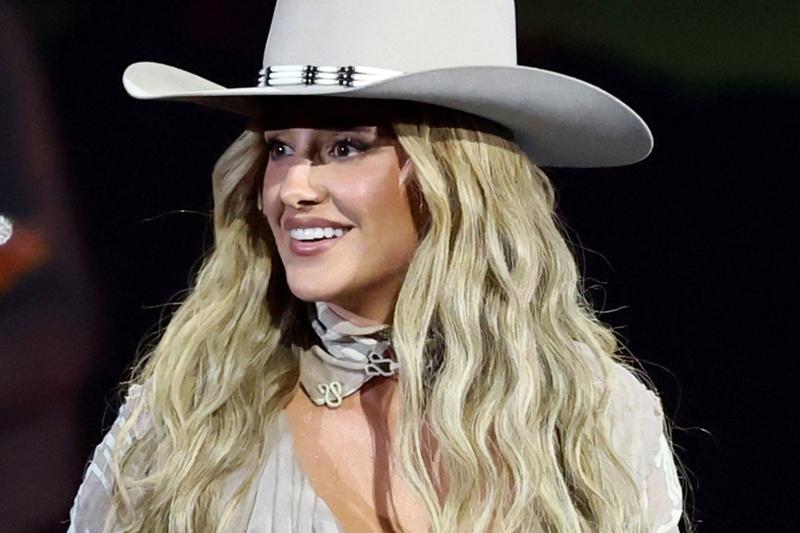
  • Lainey Wilson’s Backstage Prayer, A Heartfelt Moment with a Young Fan

    Lainey Wilson’s Backstage Prayer, A Heartfelt Moment with a Young Fan

    Country music artist Lainey Wilson engaged in a private moment of prayer with a young fan backstage. This interaction occurred during a recent concert event, though the specific date and location were not immediately disclosed. The gesture quickly garnered attention for its sincerity and personal nature, showcasing Wilson’s commitment to her fans beyond musical performance.

    This particular event underscores the deep connections artists can forge with their listeners. It moves beyond the typical autograph or photo opportunity, delving into a shared spiritual experience. The moment reflects a growing trend of artists seeking more meaningful interactions with their audience.

    The Significance of Personal Connection

    In the expansive world of music, the bond between an artist and their audience often extends beyond the stage. Fans frequently seek a deeper connection, looking for shared values or personal interactions that resonate. Lainey Wilson’s prayer with a young fan exemplifies this pursuit of a more profound relationship.

    Such moments can define an artist’s public persona. They communicate authenticity and genuine care, qualities highly valued by today’s music enthusiasts. The exchange also provides a unique memory for the fan, solidifying their admiration for the artist.

    Impact on Fan Loyalty

    Acts of personal kindness, such as a shared prayer, can significantly enhance fan loyalty. These interactions create lasting impressions, turning casual listeners into dedicated followers. Fans often recount these experiences, sharing them across social media platforms and personal networks.

    This organic sharing contributes to an artist’s reputation. It builds a narrative of accessibility and warmth, contrasting with the often-impersonal nature of large-scale entertainment. Lainey Wilson’s action contributes to this positive perception, reinforcing her image as an artist deeply connected to her roots and her community.

    Lainey Wilson’s Public Persona

    Lainey Wilson has cultivated a public image centered on authenticity and relatability. Her music often explores themes of small-town life, hard work, and faith. These themes resonate strongly with her fanbase, many of whom share similar values.

    Her interactions, both on and off stage, consistently reflect these principles. The prayer with a young fan aligns perfectly with this established persona. It reinforces the idea that Wilson’s public image is an extension of her true self.

    Past Instances of Engagement

    Wilson has a history of engaging with her fans in meaningful ways. She often takes time after shows to meet with individuals, sign autographs, and listen to their stories. These interactions are frequently documented by fans and shared online, contributing to her accessible brand.

    Her social media presence also reflects this dedication to connection. Wilson regularly interacts with followers, responding to comments and sharing personal updates. This consistent engagement builds a strong, loyal community around her music and her identity.

    The Role of Faith in Country Music

    Faith has long been a significant component of country music. Many artists in the genre openly discuss their spiritual beliefs, incorporating them into their lyrics and public statements. This aspect often creates a powerful connection with audiences who share similar convictions.

    Lainey Wilson’s public prayer fits within this tradition. It is not an isolated incident but rather a reflection of a broader cultural and artistic trend within country music. This shared spiritual ground can deepen the emotional impact of an artist’s work.

    Shared Values with the Audience

    For many country music listeners, faith is a cornerstone of their lives. When artists like Lainey Wilson openly express their faith, it creates a sense of shared understanding and community. This connection goes beyond musical preference; it taps into fundamental personal values.

    The moment of prayer provided a tangible expression of these shared values. It allowed both the artist and the fan to connect on a spiritual plane, reinforcing the idea that they are part of a larger, like-minded community. This shared experience can be profoundly impactful for both parties involved.

    The Broader Impact of Viral Moments

    In the digital age, a single heartwarming moment can quickly spread across the globe. The story of Lainey Wilson and the young fan gained traction rapidly through various online platforms. This viral spread amplified the impact of the interaction, reaching millions who might not have otherwise been aware of it.

    These moments contribute to an artist’s narrative in powerful ways. They offer a glimpse into their character, often revealing aspects that resonate deeply with the public. For Wilson, this moment reinforced her image as a compassionate and grounded individual.

    Influence on Public Perception

    Viral moments can significantly influence public perception. A single act of kindness can overshadow numerous performances or interviews, becoming a defining characteristic in the public eye. For Lainey Wilson, this prayer moment added another layer to her already positive public image.

    It also serves as a reminder of the power of genuine human interaction in an increasingly digital world. While technology facilitates broad reach, it is often the personal, unscripted moments that leave the most lasting impression. Wilson’s action exemplifies this principle.

    The Fan Experience at Concerts

    Concerts are more than just musical performances; they are experiences. Fans often travel great distances and invest significant resources to attend these events. They come seeking entertainment, community, and often, a personal connection with the artists they admire.

    Lainey Wilson’s backstage interaction elevates the fan experience beyond the ordinary. It transforms a typical concert visit into a deeply personal and memorable encounter. Such moments contribute to the overall value proposition of live music events.

    Creating Lasting Memories

    For the young fan involved, the moment of prayer with Lainey Wilson will likely be a cherished memory for years to come. These personal encounters become anecdotes shared with family and friends, further embedding the artist into the fan’s personal history.

    Artists who consistently create these types of memories build a powerful legacy. They are remembered not just for their songs, but for the impact they had on individual lives. Wilson’s action adds to this legacy, demonstrating a commitment to her audience that goes beyond commercial success.

    Artists connect. Audiences respond. Moments resonate. Faith is shared. Kindness spreads. Wilson’s actions define her. Inspiration unfolds.

    Connection.

  • Banijay and Mediawan Eye Lionsgate Studios – A Hollywood Power Shift

    Banijay and Mediawan Eye Lionsgate Studios – A Hollywood Power Shift

    The Shifting Sands of Hollywood Ownership

    European media conglomerates Banijay and Mediawan are reportedly exploring a joint takeover of Lionsgate Studios. This potential acquisition would represent a significant consolidation within the global entertainment industry as of July 2026. Such a move signals a major power shift, with European entities potentially gaining a larger foothold in Hollywood’s production landscape.

    Lionsgate Studios, known for its diverse portfolio of film and television content, stands as a prime target in this evolving market. The company’s assets include a deep library and ongoing production slates across various genres. The reported interest from Banijay and Mediawan underscores the strategic value placed on established content producers.

    Why Lionsgate Studios?

    Lionsgate Entertainment Corporation, the parent company, has a rich history in film and television. Its studio division, Lionsgate Studios, is responsible for major franchises and acclaimed series. These include the Hunger Games film series, the John Wick franchise, and television hits such as Orange Is the New Black and Mad Men. This extensive catalog and proven track record make Lionsgate an attractive asset for expansion-minded media groups.

    The studio’s intellectual property library provides a stable revenue stream from licensing and distribution. It also offers potential for future spin-offs, sequels, and adaptations across various platforms. Acquiring such a library grants immediate market share and reduces reliance on new, unproven content.

    The European Challengers: Banijay and Mediawan

    Banijay Group, headquartered in France, is one of the world’s largest independent content creation and distribution companies. It boasts a vast catalog of reality television, drama, and entertainment formats. Its portfolio includes global hits like MasterChef, Big Brother, and Survivor. Banijay’s strategy has often involved aggressive acquisitions to expand its global footprint and content offerings.

    Mediawan, also based in France, is another significant player in the European media landscape. It specializes in premium content, including film, television series, and animated productions. Mediawan has been actively acquiring production companies across Europe, aiming to build a diversified content group capable of competing on an international scale. Their combined interest in Lionsgate suggests a coordinated effort to enter or significantly expand their presence in the U.S. studio market.

    Consolidation Trends in 2026

    The potential Banijay-Mediawan bid for Lionsgate Studios reflects a broader trend of consolidation in the entertainment industry. Major media companies are continuously seeking to enhance their content libraries and global distribution capabilities. This drive is fueled by the competitive landscape of streaming services and the demand for original programming.

    In recent years, the industry has seen several high-profile mergers and acquisitions. These deals aim to create larger entities with greater negotiating power and economies of scale. The current market conditions, characterized by evolving consumption habits and technological advancements, incentivize such strategic moves.

    Financial Implications of a Takeover

    A takeover of Lionsgate Studios would involve a substantial financial transaction. The valuation of Lionsgate’s assets, including its film library, television productions, and ongoing projects, would be a critical factor. Such an acquisition typically involves complex financing arrangements, potentially including debt and equity components.

    For Lionsgate shareholders, a takeover could offer a significant premium on their investments. For the acquiring companies, Banijay and Mediawan, the investment would be a bet on the long-term value of Lionsgate’s intellectual property and its future growth potential. The financial engineering behind such a deal would be closely watched by market analysts and investors.

    Impact on Content Creation and Distribution

    Should Banijay and Mediawan successfully acquire Lionsgate Studios, the impact on content creation could be multifaceted. The new ownership might bring changes in creative direction, production priorities, and talent relationships. European sensibilities could merge with Hollywood production practices, potentially leading to new types of content or a shift in genre focus.

    Distribution strategies would also likely evolve. Banijay and Mediawan’s existing global networks could be leveraged to expand the reach of Lionsgate’s content. Conversely, Lionsgate’s established U.S. distribution channels could provide a gateway for European content into the American market. This cross-pollination of distribution capabilities could create a more integrated global content pipeline.

    Talent and Creative Control

    The prospect of new ownership often raises questions among creative talent. Directors, writers, and actors associated with Lionsgate projects would closely monitor the situation. Concerns about creative control, budget allocations, and future project greenlighting are common during such transitions. Maintaining key talent relationships would be crucial for the success of any new ownership.

    Historically, studio takeovers can lead to shifts in leadership and creative teams. The integration of Banijay and Mediawan’s corporate cultures with Lionsgate’s existing structure would be a delicate process. Successful transitions often depend on clear communication and a shared vision for the studio’s future. The stability of existing production deals and development slates would be a primary focus for many within the industry.

    Regulatory Hurdles and Market Approval

    Any large-scale acquisition in the entertainment sector is subject to regulatory scrutiny. Antitrust authorities in various jurisdictions, including the United States and the European Union, would likely review the proposed takeover. The goal of these reviews is to ensure that such mergers do not stifle competition or create monopolies within the market.

    Securing regulatory approval can be a lengthy and complex process. Companies must demonstrate that the acquisition will not harm consumers or limit choices in the marketplace. Investor approval from both Banijay, Mediawan, and Lionsgate shareholders would also be required, adding another layer of complexity to the deal’s potential completion.

    The Broader Geopolitical Context of Media

    The interest of European conglomerates in a major U.S. studio also reflects broader geopolitical shifts in the media landscape. European companies are increasingly asserting their presence on the global stage, challenging the traditional dominance of U.S.-based media giants. This trend is partly driven by a desire to diversify content sources and cater to a global audience with varied cultural preferences.

    The interplay between different national media industries can lead to richer, more diverse content offerings. It also raises questions about cultural influence and the homogenization or diversification of global narratives. The Banijay-Mediawan bid for Lionsgate Studios could be seen as a significant move in this ongoing global media competition.

    Future Outlook for Lionsgate

    Regardless of whether the Banijay-Mediawan takeover proceeds, Lionsgate Studios faces an evolving future. The company has a strong foundation and valuable assets. Its ability to adapt to changing audience demands and technological advancements will be key to its continued success. Strategic partnerships, content diversification, and efficient production models will remain critical.

    The mere speculation of a takeover can influence a company’s stock price, employee morale, and market perception. Lionsgate’s leadership will need to navigate these external pressures while continuing to execute its business strategy. The outcome of these discussions will undoubtedly shape a significant portion of Hollywood’s future.

    European media powerhouses converged. Hollywood’s future hung in the balance. Global content strategies intensified.

    Consolidation.

  • Paramount’s Defense: Antitrust Lawsuit Threatens Entertainment Workers

    Paramount’s Defense: Antitrust Lawsuit Threatens Entertainment Workers

    The Core of Paramount’s Defense

    Paramount Global is actively defending its proposed merger with Warner Bros. Discovery. A coalition of states has filed an antitrust lawsuit to block this significant media consolidation. Paramount’s central argument is that preventing the deal would negatively impact entertainment workers.

    This defense introduces a new dimension to the legal battle. It shifts the focus from market consolidation to the potential human cost of regulatory intervention. The company frames the merger as beneficial for industry employment, rather than solely a corporate maneuver.

    The Antitrust Challenge

    The antitrust lawsuit targets the proposed merger between Paramount Global and Warner Bros. Discovery. This action was initiated by several state attorneys general. Their primary concern revolves around potential anti-competitiveness within the media landscape.

    Regulators often scrutinize large mergers to prevent monopolies or oligopolies. Such market structures can lead to reduced consumer choice and increased prices. The states argue that the combined entity would wield excessive market power, stifling competition in content production and distribution.

    The legal challenge highlights a broader trend in government oversight of major corporate transactions. Authorities are increasingly wary of consolidation in key industries. They seek to protect consumers and smaller businesses from the adverse effects of market dominance.

    Paramount’s Counter-Argument: Worker Welfare

    Paramount Global’s defense strategy centers on the welfare of entertainment industry workers. The company contends that blocking the merger could lead to significant job losses. It also suggests that a failed deal might reduce overall opportunities for professionals in the sector.

    This argument aims to humanize the corporate transaction. It seeks to demonstrate that the merger has tangible benefits beyond shareholder value. The company positions itself as a protector of its workforce, emphasizing the stability and growth the merger could bring.

    The entertainment industry is known for its fluctuating employment landscape. Project-based work and contract roles are common. Paramount’s argument taps into these vulnerabilities, suggesting that a stronger, combined entity could offer more stable employment prospects.

    The Impact on a Volatile Industry

    The entertainment sector has faced numerous challenges in recent years. The rise of streaming services, evolving consumption habits, and global economic shifts have all contributed to a volatile environment. Mergers are often presented as a way to achieve economies of scale and better compete in this landscape.

    Paramount’s defense suggests that the merger is not just about corporate growth. It is also about ensuring the long-term viability of content production and distribution. This, in turn, supports the livelihoods of countless writers, directors, actors, crew members, and technical staff.

    The argument attempts to align the company’s business interests with public interest concerns. By focusing on employment, Paramount aims to create a more sympathetic narrative for its merger plans. This approach could influence public opinion and potentially sway judicial decisions.

    The Legal Landscape of Media Mergers

    Antitrust law governs mergers and acquisitions to prevent anti-competitive practices. The Department of Justice (DOJ) and the Federal Trade Commission (FTC) are the primary federal enforcers in the United States. State attorneys general can also initiate lawsuits, often in coordination with federal agencies or independently.

    Major media mergers frequently attract intense scrutiny. The telecommunications and media sectors have seen significant consolidation over the past two decades. This has led to concerns about reduced diversity in media ownership and control over information.

    Past examples include the merger between AT&T and Time Warner, which faced a lengthy legal battle. The court ultimately allowed that merger to proceed. Each case presents unique facts and legal arguments, making outcomes difficult to predict.

    Precedents and Public Interest

    Courts often consider the broader public interest when evaluating antitrust cases. This can include factors beyond mere economic efficiency. Issues like consumer welfare, innovation, and, in this case, employment impacts, can play a role.

    Paramount’s argument about entertainment workers attempts to frame the merger as serving a public good. It suggests that a financially stronger combined entity would be better positioned to invest in new content, fostering creativity and job creation.

    The legal system must balance these claims against potential harms. The core question remains: would the combined entity reduce competition to an extent that outweighs its purported benefits? The states argue that it would, leading to fewer choices and potentially higher costs for consumers.

    The Stakes for Entertainment Workers

    The entertainment industry employs millions of people globally. From pre-production to post-production, a vast ecosystem of skilled professionals contributes to content creation. Their livelihoods are directly tied to the health and stability of major studios and production companies.

    A successful merger could, in theory, lead to increased investment in new projects. This would create more jobs and opportunities for workers across various disciplines. Conversely, a failed merger could result in uncertainty, layoffs, or a reduction in overall production activity.

    Workers in the industry often face contract-based employment. Job security can be a significant concern. Paramount’s argument resonates with the anxieties of this workforce, suggesting that the merger offers a path to greater stability.

    Union Perspectives and Industry Response

    Entertainment industry unions often play a crucial role in advocating for their members. Organizations like SAG-AFTRA, the Directors Guild of America (DGA), and the Writers Guild of America (WGA) represent a significant portion of the workforce. Their stance on the merger could influence public perception and policy debates.

    It remains to be seen how these unions will officially respond to Paramount’s defense. Their primary concern is typically the protection of existing jobs, fair wages, and benefits. If the merger is perceived as beneficial for these aspects, it might gain union support.

    The broader entertainment industry is watching this case closely. The outcome could set a precedent for future consolidation efforts. It could also influence how companies frame their mergers in terms of societal and economic benefits.

    The Future of Media Consolidation

    The lawsuit against the Paramount-Warner Bros. Discovery merger is a bellwether for the future of media. Regulatory bodies are increasingly assertive in scrutinizing large-scale corporate transactions. The landscape for major mergers is becoming more challenging.

    Companies planning future consolidations will likely need to develop more robust arguments. These arguments will need to address not only economic efficiencies but also broader societal impacts. The focus on entertainment workers by Paramount is an example of this evolving strategy.

    The outcome of this specific case will have implications far beyond the two companies involved. It will shape regulatory expectations and corporate strategies for years to come. The balance between fostering innovation and preventing anti-competitive practices remains a central challenge.

    The legal arguments continue. The corporate strategies evolve. The workers wait. The industry watches. The future of media consolidation remains in flux.

  • Patti LaBelle’s MLB All-Star Anthem – The Cultural Defense of a Patriotic Symbol

    Patti LaBelle’s MLB All-Star Anthem – The Cultural Defense of a Patriotic Symbol

    Patti LaBelle’s performance of ‘The Star-Spangled Banner’ at the 2026 Major League Baseball All-Star Game on July 14, 2026, prompted a divided public response, igniting conversations about the cultural defense of patriotic symbols and celebrity behavior. The iconic singer delivered the national anthem during the pre-game ceremonies of the highly anticipated annual event, which draws millions of viewers across the United States and internationally. Reactions varied from strong praise for her vocal delivery to criticism regarding her interpretation of the anthem, reflecting a long-standing public discourse on how such a significant musical piece should be presented.

    What looks like a simple musical performance often becomes a focal point for national identity and cultural values. Artists frequently face intense scrutiny for their renditions, particularly when their interpretations deviate from traditional expectations. The MLB All-Star Game, as one of the largest stages in American sports, amplifies these discussions, ensuring that any perceived departure from convention is met with widespread commentary and analysis.

    The All-Star Stage and National Anthems

    The Major League Baseball All-Star Game serves as a mid-season exhibition of the sport’s top talent. It is a significant cultural event, traditionally held in mid-July. The pre-game ceremonies are a crucial component, featuring patriotic displays, military salutes, and the performance of ‘The Star-Spangled Banner.’

    This performance is not merely a formality. It is often seen as a moment of collective national reflection and unity. The choice of performer is carefully considered, with organizers typically selecting artists of national renown and established vocal prowess. Patti LaBelle, with a career spanning over six decades, certainly fits this profile, known for her powerful voice and dynamic stage presence.

    For many Americans, the national anthem is more than just a song; it is a symbol of the nation itself. Its performance at major sporting events, particularly those with a broad national audience like the MLB All-Star Game, carries significant cultural weight. This weight means that any deviation from what is considered a traditional or respectful rendition can quickly become a subject of public debate.

    A History of Scrutiny for Anthem Performances

    The public’s reaction to Patti LaBelle’s performance is not an isolated incident. The history of ‘The Star-Spangled Banner’ at high-profile events is replete with instances that have generated debate, praise, and controversy. These performances often become cultural touchstones, remembered as much for their impact as for their musical quality.

    Defining Moments in Anthem Renditions

    • Jimi Hendrix at Woodstock (1969): Hendrix’s instrumental, psychedelic interpretation at the Woodstock Festival became an iconic symbol of the counterculture movement and a powerful, albeit controversial, anti-war statement.
    • Whitney Houston at Super Bowl XXV (1991): Houston’s soulful and powerful rendition during the Gulf War era is widely regarded as one of the greatest national anthem performances ever, lauded for its vocal excellence and emotional impact.
    • Marvin Gaye at the NBA All-Star Game (1983): Gaye’s smooth, gospel-inflected rendition was initially met with mixed reactions but has since grown in appreciation, recognized for its innovative and soulful approach.
    • Roseanne Barr at a San Diego Padres Game (1990): Barr’s intentionally screeching and mocking performance was met with widespread condemnation and remains a benchmark for controversial anthem renditions.

    These examples illustrate the wide spectrum of reactions possible when an artist interprets the anthem. The common thread is the public’s deep connection to the song and its symbolic meaning. Each performance is, in a way, a re-negotiation of that meaning in a public forum.

    The Nature of ‘Mixed Reactions’

    TMZ.com, the first outlet to report on the mixed reactions, noted that the performance tapped into ‘cultural defense around patriotic symbols and celebrity behavior.’ This phrasing suggests that the responses extend beyond mere musical critique. It implies a deeper engagement with what the anthem represents and how public figures are expected to uphold those representations.

    Social media platforms, particularly X (formerly Twitter) and Facebook, immediately became forums for public commentary. Users shared opinions that often fell into two main categories:

    Praise for Artistic Expression

    • Many praised LaBelle’s vocal delivery, highlighting her range and emotional depth.
    • Supporters argued that her interpretation brought a fresh perspective to a familiar song.
    • Some viewed her performance as a demonstration of artistic freedom and individuality.
    • Comments often emphasized her legendary status and her ability to command a stage.

    Criticism of Interpretation and Tradition

    • Critics often focused on perceived deviations from traditional melodic structures or pacing.
    • Concerns were raised about whether the interpretation was ‘respectful’ or ‘appropriate’ for the solemnity of the occasion.
    • Some felt that the performance prioritized vocal flourishes over the anthem’s inherent message.
    • These reactions often invoked a sense of tradition and the expectation that the anthem should be sung in a straightforward manner.

    The dichotomy in these reactions underscores the tension between artistic interpretation and cultural expectation. For some, the anthem is a fixed entity, demanding a specific, reverent presentation. For others, it is a piece of music that can be reinterpreted, allowing for new emotional resonance.

    The Role of Celebrity and Public Expectation

    Celebrities performing the national anthem find themselves navigating a complex landscape of public sentiment. Their artistic choices are often interpreted through a lens of patriotism and respect for tradition. When a performer of LaBelle’s stature takes the stage, the expectations are particularly high, given her long career and iconic status.

    Public figures, by virtue of their visibility, often become proxies for broader societal debates. In this instance, LaBelle’s performance became a flashpoint for discussions about:

    • Patriotism and National Identity: What does it mean to be patriotic in contemporary America? How should national symbols be treated?
    • Artistic Freedom vs. Tradition: Where is the line between creative interpretation and disrespect for established norms?
    • Celebrity Conduct: Are celebrities held to a higher standard when performing national symbols? What are the implications of their choices?

    These questions are not new, but they resurface with particular intensity whenever a high-profile anthem performance generates controversy. The MLB All-Star Game’s prominence ensures that these discussions play out on a national stage, reaching millions of households.

    Beyond the Performance: Media Scrutiny and Future Implications

    The immediate aftermath of such a performance typically involves extensive media coverage. Music critics, cultural commentators, and social media analysts weigh in, dissecting every aspect of the rendition. This analysis often shapes the public’s long-term perception of the event.

    Further analysis of fan reactions and potential official statements from Major League Baseball or LaBelle’s representatives are anticipated. These statements could provide more clarity on the specific elements of the performance that resonated with or alienated viewers. However, the initial reports suggest that the debate is less about technical vocal quality and more about the symbolic implications of the performance.

    The incident highlights the enduring power of ‘The Star-Spangled Banner’ as a cultural touchstone in the United States. It also underscores the intense scrutiny faced by public figures in roles that intersect with national symbols. Every note, every inflection, every artistic choice is magnified and interpreted through a complex web of cultural, political, and social lenses.

    The conversation around Patti LaBelle’s All-Star Game anthem performance will likely continue for some time. It serves as a reminder that in a deeply diverse society, even a shared national song can evoke a wide range of emotions and interpretations.

    Fans debated. Critics analyzed. The nation watched.

    The anthem.