
Author: bsn_admin

  • Bret Michaels’ Dedication – Three Shows in Agony Before Emergency Surgery

    Bret Michaels’ Dedication – Three Shows in Agony Before Emergency Surgery

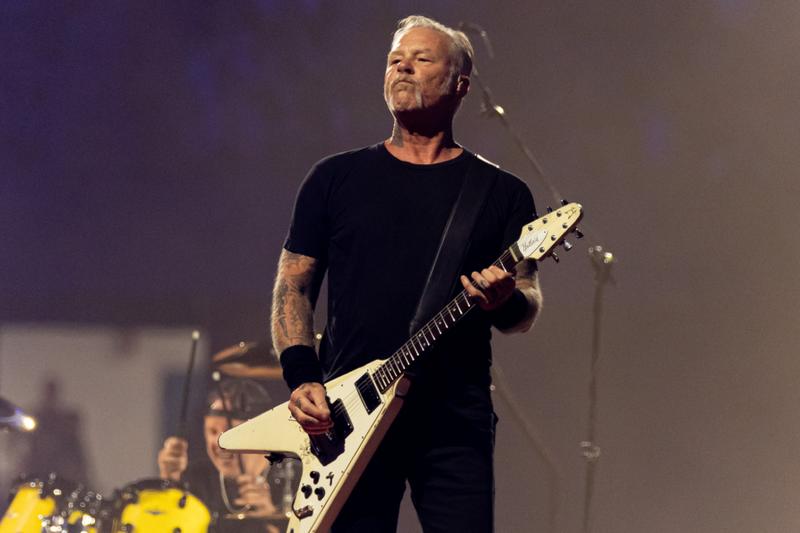
    Bret Michaels completed three full concert performances while in severe physical agony, a situation that culminated in immediate emergency surgery. This series of events underscores the extreme dedication Michaels has historically shown to his music career and his fanbase, even when facing significant personal health challenges.

    Michaels’ willingness to push through intense pain for his live shows has resonated with fans and observers alike. The incident has become a prominent example of the lengths artists sometimes go to fulfill their professional obligations.

    The Road Warrior Mentality

    Bret Michaels has long been recognized as a ‘road warrior’ in the music industry. His career, spanning decades with the band Poison and as a solo artist, is characterized by extensive touring schedules. This commitment to live performance is a hallmark of his public persona.

    The concept of a ‘road warrior’ implies an artist who prioritizes live engagement above many other considerations. For Michaels, this has often meant maintaining a rigorous schedule that few in the industry can match.

    His performances are known for high energy, audience interaction, and a consistent delivery that fans have come to expect. This reputation has been built over years of consistent touring across North America and internationally.

    The Build-Up to Emergency Surgery

    Details surrounding the specific nature of Michaels’ agony and the subsequent emergency surgery have emerged, painting a picture of escalating medical urgency. The decision to complete three shows under such conditions indicates a profound internal conflict between personal well-being and professional duty.

    The first show proceeded, then the second, and then the third. Each performance was completed, seemingly without public indication of the severe pain Michaels was enduring. This level of stoicism on stage is often a learned behavior for seasoned performers.

    Sources close to Michaels indicated that the pain became increasingly debilitating with each passing day. Despite this, he chose to honor his commitments, a decision that ultimately led directly to the operating room.

    The exact medical condition requiring emergency intervention was not initially disclosed in full detail, but the necessity of immediate surgery highlighted its seriousness. Such situations often involve acute conditions that pose significant health risks if left untreated.

    The Impact of Touring on Artist Health

    The incident with Bret Michaels brings to the forefront a broader discussion about the physical toll of extensive touring on musicians. The lifestyle is demanding, characterized by irregular sleep patterns, constant travel, and high-stress performance environments.

    Musicians often face unique health challenges. These can range from vocal strain and hearing loss to musculoskeletal issues and the psychological pressures of life on the road. The ‘show must go on’ mentality can sometimes lead artists to ignore symptoms that would otherwise warrant immediate medical attention.

    Many artists grapple with balancing their passion for performing with the need for self-care. The financial implications of canceling shows also play a significant role in these decisions, especially for artists and their crews who rely on tour income.

    The music industry has seen an increasing focus on artist wellness in recent years. Organizations and support systems are emerging to help performers navigate the intense demands of their careers, recognizing that sustained health is crucial for long-term success.

    Fan Reactions and Support

    News of Bret Michaels’ ordeal elicited a strong outpouring of support from his global fanbase. Social media platforms were flooded with messages of concern, admiration, and well wishes for his recovery.

    Fans often appreciate the dedication of artists who push through adversity to perform. This sentiment was evident in the numerous comments praising Michaels’ commitment and wishing him a swift return to health.

    The incident reinforced the strong bond between Michaels and his audience. His actions were seen by many as a testament to his respect for those who purchase tickets and attend his concerts.

    The collective response from the music community and general public highlighted the emotional connection that live music fosters. It also demonstrated the deep personal investment fans have in the well-being of their favorite artists.

    A History of Resilience

    This is not the first time Bret Michaels has faced significant health challenges while maintaining his professional schedule. Throughout his career, he has publicly navigated various medical conditions, often sharing his journey with fans.

    Michaels has lived with Type 1 diabetes since childhood. He has been a vocal advocate for diabetes awareness, demonstrating how he manages his condition while leading an active lifestyle and demanding career.

    In 2010, Michaels suffered a subarachnoid hemorrhage, a life-threatening brain bleed. Despite the severity of the condition, he made a remarkable recovery and returned to performing. This event further cemented his reputation for resilience.

    Later in 2010, he underwent an emergency appendectomy. This series of health crises within a short period showcased his tenacity and determination to overcome physical setbacks.

    His consistent ability to return to the stage after such serious medical events has become a defining characteristic of his career. It speaks to a deep-seated drive to connect with his audience through music.

    The Business of Live Music

    The decision to perform through pain also touches upon the economic realities of the live music industry. Concerts are complex operations involving numerous personnel, logistics, and financial investments.

    Canceling shows can result in significant financial losses, not only for the artist but also for promoters, venue staff, and local economies. This pressure can influence an artist’s decision-making regarding their health.

    Artists often carry insurance for tour cancellations, but the process can be complex, and the reputational impact of canceled dates can be detrimental. The desire to maintain a reliable image is a powerful motivator.

    The revenue generated from touring remains a primary income stream for many musicians, especially in an era of evolving music consumption patterns. This economic dependency adds another layer of complexity to health-related decisions on the road.

    The ‘Show Must Go On’ Ethos

    The phrase ‘the show must go on’ is deeply ingrained in the entertainment industry. It signifies a professional commitment to deliver a performance despite any obstacles, personal or otherwise.

    This ethos is passed down through generations of performers and stagehands. It fosters a culture where personal discomfort is often set aside in favor of the collective goal of entertaining the audience.

    While admirable, this mindset can also have negative consequences for artists’ health. It can create an environment where admitting vulnerability or needing a break is perceived as a weakness.

    The incident with Bret Michaels serves as a powerful, albeit extreme, example of this long-standing tradition within the performing arts. It highlights both the strength and potential pitfalls of such a philosophy.

    The dedication of artists like Michaels ensures that fans often experience unforgettable moments. It also raises questions about the industry’s responsibility to support artist well-being more proactively.

    Musicians continue to tour. Venues continue to book. Fans continue to gather. The music plays on.


  • US Officials Allege Chinese AI Apps Use Banned Chips – A National Security Concern

    US Officials Allege Chinese AI Apps Use Banned Chips – A National Security Concern

    US officials allege that Chinese artificial intelligence applications are utilizing semiconductor chips that fall under US export bans. This development, reported on July 23, 2026, has ignited concerns regarding national security and cultural defense within the United States. The claims suggest a sophisticated effort by Chinese entities to circumvent established trade restrictions designed to curb their technological advancement, particularly in critical AI sectors.

    The allegations point to a persistent cat-and-mouse game in the global technology landscape. The United States has implemented stringent export controls on advanced semiconductors and related manufacturing equipment, primarily targeting China. These measures are intended to prevent China from acquiring the cutting-edge technology necessary for military modernization and the development of advanced AI systems that could pose strategic challenges.

    The Landscape of Export Controls

    The US government has progressively tightened restrictions on the sale of advanced semiconductor technology to China. These controls began to escalate significantly in October 2022. The initial rules aimed to restrict China’s access to chips capable of advanced computing, crucial for AI and supercomputing applications.

    These regulations were expanded and clarified in October 2023. The updated rules targeted specific types of graphics processing units (GPUs) and other high-performance chips. The Department of Commerce’s Bureau of Industry and Security (BIS) is the primary agency responsible for enforcing these export controls. The goal is to limit China’s ability to produce or acquire chips that could be used for weapons development, surveillance, and other activities deemed contrary to US national interests.

    The restrictions are not merely about the chips themselves. They also cover the equipment used to manufacture these advanced semiconductors. This includes lithography machines, etching tools, and other specialized machinery. Companies like ASML, Applied Materials, and Lam Research are key players in this highly specialized global supply chain.

    The Nature of the Allegations

    The specific allegations suggest that Chinese AI applications are finding ways to integrate or utilize these banned chips. This could occur through several avenues. One possibility is the acquisition of chips through third-party intermediaries or gray markets. Another is the modification of existing chips to meet specific performance requirements for AI, potentially obscuring their origin or original specifications.

    The term “banned chips” typically refers to high-performance GPUs and AI accelerators. These are essential for training large language models (LLMs), developing autonomous systems, and conducting complex data analysis. Companies like Nvidia, AMD, and Intel produce many of these advanced components.

    The US government has been vigilant about monitoring compliance with its export controls. Reports of circumvention are taken seriously, often triggering investigations and potential enforcement actions. The current allegations indicate that despite the controls, China’s AI sector continues to seek pathways to advanced hardware.

    National Security Implications

    The core of the US concern lies in national security. Advanced AI capabilities are considered dual-use technologies. They can be applied to civilian innovation, but also to military applications, intelligence gathering, and surveillance. If China gains unrestricted access to cutting-edge AI chips, it could accelerate its military modernization efforts.

    This includes the development of autonomous weapons systems, advanced cyber warfare capabilities, and sophisticated surveillance technologies. Such advancements could shift the global balance of power and challenge US strategic interests in regions like the Indo-Pacific.

    The cultural defense aspect refers to the protection of democratic values and open societies from authoritarian influences. AI, particularly when combined with surveillance and censorship technologies, can be used to suppress dissent, control information, and exert social engineering. The US sees its technological leadership as crucial to counter such uses.

    China’s AI Ambitions and Counter-Strategies

    China has made no secret of its ambition to become a global leader in artificial intelligence by 2030. The “New Generation Artificial Intelligence Development Plan,” released in 2017, outlined a comprehensive strategy for achieving this goal. This plan involves massive investments in research and development, talent cultivation, and the integration of AI across various industries.

    The US export controls have undoubtedly impacted China’s domestic semiconductor industry. Chinese companies like Huawei and SMIC have faced significant restrictions. In response, China has intensified its efforts to achieve “chip self-sufficiency.” This involves pouring billions into domestic semiconductor manufacturing and design.

    These efforts include state-backed funds, subsidies, and incentives for local companies. The goal is to reduce reliance on foreign technology and build a robust, indigenous semiconductor ecosystem. While progress has been made, China still faces challenges in mastering the most advanced chip manufacturing processes, particularly extreme ultraviolet (EUV) lithography.

    Despite these challenges, Chinese tech giants like Baidu, Alibaba, and Tencent continue to invest heavily in AI research and applications. They are developing their own AI models, platforms, and hardware solutions. The alleged use of banned chips suggests a pragmatic approach to acquiring necessary components while domestic capabilities catch up.

    The Global Semiconductor Supply Chain

    The semiconductor industry is characterized by a complex and highly specialized global supply chain. Design, manufacturing, packaging, and testing often occur in different countries. Taiwan Semiconductor Manufacturing Company (TSMC) is the world’s largest contract chipmaker, producing chips for companies like Apple, Nvidia, and Qualcomm.

    The Netherlands’ ASML holds a near-monopoly on EUV lithography equipment, essential for producing the most advanced chips. The US maintains significant influence over this supply chain, partly through its control over intellectual property, design software, and specialized manufacturing tools.

    Disruptions or circumventions within this supply chain have global repercussions. They can impact market stability, technological innovation, and geopolitical dynamics. The allegations against Chinese AI apps highlight the vulnerabilities and points of leverage within this intricate network.

    Previous Incidents and Enforcement

    This is not the first instance of alleged circumvention of US export controls. Over the years, there have been numerous reports and investigations into companies and individuals attempting to bypass restrictions. These cases often involve complex networks of shell companies, re-export schemes, and false declarations.

    The BIS has a dedicated enforcement arm that investigates such violations. Penalties can include substantial fines, denial of export privileges, and even criminal charges for individuals involved. The US government has also engaged in diplomatic efforts to persuade allied nations to adopt similar export control measures, creating a multilateral approach to limiting China’s access to critical technologies.

    For example, in 2023, Japan and the Netherlands, key players in semiconductor manufacturing equipment, agreed to impose their own restrictions on certain exports to China, aligning with US policy objectives. This coordinated effort aims to create a more comprehensive and effective barrier against technological transfers deemed sensitive.

    The Challenge of Monitoring AI Software

    Monitoring the hardware used by AI applications presents a unique challenge. While physical chips can be tracked through supply chains, the software layer of AI makes detection more complex. AI models can be optimized to run on various hardware configurations, and the specific chips powering a deployed AI application may not always be immediately apparent.

    This means that enforcement efforts must evolve beyond simply tracking chip sales. They may need to include intelligence gathering on AI development projects, analysis of AI model performance, and scrutiny of the underlying infrastructure supporting Chinese AI initiatives. The line between civilian and military AI applications is also increasingly blurred, complicating oversight.

    The US government’s approach reflects a broader strategy of “small yard, high fence.” This aims to restrict access to a narrow set of critical technologies deemed essential for national security, rather than attempting a broad decoupling of the entire tech sector. The current allegations suggest that even within this “small yard,” significant challenges remain in maintaining the integrity of the fence.

    Future Implications and Geopolitical Tensions

    The ongoing technological rivalry between the US and China, epitomized by these export control disputes, is a defining feature of 21st-century geopolitics. The allegations regarding banned chips will likely intensify this competition. The US may consider further tightening its export controls, expanding the list of restricted technologies, or increasing enforcement actions.

    China, in turn, will likely redouble its efforts to achieve technological self-sufficiency and find alternative pathways to advanced hardware. This could involve greater investment in domestic research, the development of alternative architectures, or continued attempts to source components through indirect means.

    The situation also has implications for global technology companies. Companies like Nvidia have already developed specific chips (e.g., the A800 and H800) designed to comply with US export restrictions while still serving the Chinese market. If these compliant chips are also deemed problematic, it could force further adjustments in their business strategies.

    The ultimate outcome of this technological competition remains uncertain. However, the allegations serve as a stark reminder of the high stakes involved in the race for AI supremacy. Innovation, regulation, and geopolitical strategy will continue to intertwine in this critical domain. Efforts to gain an edge. Efforts to maintain control. Efforts to circumvent.

    The AI Arms Race

    The term “AI arms race” is often used to describe this intense competition. Both the US and China view AI leadership as fundamental to future economic prosperity, military strength, and global influence. The alleged use of banned chips by Chinese AI applications underscores the urgency and intensity of this race.

    The development of advanced AI relies heavily on powerful computing infrastructure. Restricting access to this infrastructure is a key strategy for the US to slow down its competitors. The allegations suggest this strategy faces significant hurdles and requires constant adaptation.

    The implications extend beyond just military applications. AI’s role in economic productivity, scientific discovery, and societal transformation makes it a foundational technology. Control over this technology is seen as a determinant of future global power.

    The US will continue to monitor. China will continue to innovate. The global tech landscape will continue to shift.


  • Craig Melvin Intruder Incident, ‘Today’ Show Enhances Security

    Craig Melvin Intruder Incident, ‘Today’ Show Enhances Security

    The Incident at NBC Studios

    The ‘Today’ show has implemented stricter security protocols for guests. This decision followed an intruder incident involving host Craig Melvin. The event, which occurred at NBC Studios in New York City, prompted a comprehensive review of existing safety measures. It underscored the persistent challenges in ensuring the safety of public figures and media personalities in publicly accessible environments.

    Broadcast studios, by their nature, often have areas accessible to the public for audience participation and guest appearances. This accessibility presents unique security vulnerabilities. The incident with Craig Melvin brought these vulnerabilities into sharp focus, leading to immediate action from NBC.

    Understanding the Security Breach

    Details surrounding the intruder incident remain closely guarded by NBC. However, reports indicate that an unauthorized individual gained access to an area of NBC Studios. This area was in proximity to where Craig Melvin was working or preparing for a broadcast. The precise nature of the interaction between the intruder and Melvin has not been publicly disclosed.

    The quick response of NBC security personnel was noted. The individual was apprehended, and no physical harm to Melvin or other staff was reported. Yet, the breach itself was sufficient to trigger a significant re-evaluation of security practices across the entire ‘Today’ show operation.

    The Impact on Craig Melvin

    Craig Melvin is a prominent figure on the ‘Today’ show. He co-anchors the third hour of the program and contributes to NBC News and MSNBC. Such public exposure makes individuals like Melvin potential targets. The incident likely caused significant concern for Melvin and his family, as well as his colleagues at NBC.

    Public figures often navigate a complex landscape of celebrity and security risk. This incident serves as a stark reminder of the personal impact such breaches can have, even when physical harm is averted. It also highlights the responsibility of media organizations to protect their on-air talent.

    New Protocols for Guest Safety

    The core of the ‘Today’ show’s response involves stricter security protocols for guests. These new measures aim to prevent future unauthorized access and enhance the overall safety of everyone on set. The changes affect how guests are vetted, escorted, and permitted to move within NBC Studios.

    Previously, certain guest procedures may have allowed for more flexibility. The new protocols likely involve more stringent background checks, clearer identification requirements, and dedicated escort services for all visitors. The goal is to create a more controlled environment without compromising the show’s welcoming atmosphere.

    Enhanced Vetting Procedures

    One key area of modification is the guest vetting process. This now includes more thorough background checks for individuals scheduled to appear on the program. These checks likely extend beyond standard identification verification to include digital footprints and potential threat assessments.

    The show regularly hosts a diverse range of guests, from celebrities and politicians to experts and everyday individuals with compelling stories. Each category presents unique security considerations. The enhanced vetting seeks to address these varied risks more comprehensively.

    Controlled Access and Escort Requirements

    Access control within NBC Studios has also been tightened. Guests are now likely subject to stricter rules regarding where they can go and who must accompany them. This often means dedicated security or production staff will escort guests at all times, from their arrival to their departure.

    The physical layout of broadcast facilities can be complex. Multiple entrances, public areas, and private production spaces all require careful management. The new protocols aim to create clearer boundaries and reduce opportunities for unauthorized movement within the building.

    Broader Implications for Media Security

    The incident at the ‘Today’ show carries broader implications for media organizations. It underscores a persistent and evolving threat landscape facing public figures and their workplaces. Security concerns are not limited to high-profile political figures; they extend to entertainment and news personalities as well.

    Media companies invest heavily in security infrastructure. This includes physical barriers, surveillance systems, and trained personnel. However, human elements, such as guest management and visitor protocols, often represent critical points of vulnerability.

    The Role of Technology in Security

    Technology plays an increasingly vital role in modern security. This includes advanced access control systems, biometric identification, and sophisticated surveillance. The ‘Today’ show’s review may have included an assessment of integrating new technologies to bolster physical security measures.

    However, technology alone cannot solve all security challenges. It must be complemented by robust human protocols and ongoing training for security staff and production teams. The balance between maintaining an open, collaborative environment and ensuring stringent security is a constant challenge for media outlets.

    Protecting On-Air Talent

    The safety of on-air talent is paramount for broadcast networks. Personalities like Craig Melvin are the public face of their organizations. Incidents that threaten their safety can have significant repercussions, impacting morale, public perception, and even the continuity of broadcasting.

    Networks often provide personal security details for their most prominent figures, especially during public appearances or travel. However, incidents occurring within the controlled environment of a studio highlight the need for comprehensive, layered security strategies that address all potential points of vulnerability.

    Historical Context of Media Security

    Security breaches involving media figures are not unprecedented. Throughout history, public figures have faced risks ranging from harassment to more serious threats. The digital age has introduced new dimensions to these challenges, with online threats often preceding or accompanying physical attempts.

    For example, high-profile incidents involving journalists or television personalities have periodically led to security enhancements. These events often serve as catalysts for industry-wide re-evaluations of safety protocols. The incident with Craig Melvin is part of this ongoing narrative.

    Evolving Threat Landscape

    The threat landscape is constantly evolving. Individuals with malicious intent can use various methods to gain access to restricted areas. This includes impersonation, exploiting procedural gaps, or simply overwhelming security points. Media organizations must remain vigilant and adapt their strategies.

    The current environment, marked by increased polarization and public scrutiny, can also contribute to a heightened risk for public figures. The line between public discourse and personal threat can sometimes blur, making robust security measures more critical than ever.

    The ‘Today’ Show’s Commitment to Safety

    The implementation of stricter security protocols reflects the ‘Today’ show’s commitment to the safety of its staff, guests, and audience. This commitment extends beyond mere compliance; it involves a proactive approach to risk management. The show aims to maintain its status as a trusted source of news and entertainment while ensuring a secure environment.

    The incident, while concerning, ultimately led to positive changes. It served as a critical learning experience, prompting NBC to reinforce its defenses against potential threats. The balance between openness and security remains a delicate act for live broadcast productions.

    The ‘Today’ show continues its daily broadcast schedule. Its hosts, including Craig Melvin, continue to deliver news and interviews. The enhanced security measures are now a permanent part of the operational framework, designed to protect all who enter NBC Studios.

    Looking Ahead

    The incident involving Craig Melvin and the subsequent security enhancements at the ‘Today’ show provide a case study in modern media security. It highlights the dynamic nature of threats and the continuous need for vigilance and adaptation.

    Media organizations across the industry will likely observe these changes. They will consider their own protocols in light of this event. The safety of public figures remains a paramount concern.

    Staff members were briefed. Security teams were retrained. Access points were reinforced. Procedures were updated. NBC Studios.


  • President Trump Vows Fresh Tariffs: Economic Strategy in 2026

    President Trump Vows Fresh Tariffs: Economic Strategy in 2026

    President Trump announced plans for new tariffs on July 24, 2026, during an appearance on Bloomberg Television’s “Balance of Power.” This declaration signals a firm commitment to protectionist trade policies and economic nationalism, which have been central tenets of his administration’s agenda. The strategy aims to bolster domestic industries, encourage the return of manufacturing jobs to the United States, and address perceived imbalances in global trade.

    The announcement resonates with previous trade actions taken by President Trump. His administration has consistently advocated for policies designed to protect American workers and businesses from foreign competition. The renewed focus on tariffs suggests a continuation of these efforts, building upon the groundwork laid during his first term in office.

    The Rationale Behind Tariffs

    Tariffs serve as taxes on imported goods. Their primary purpose, from a protectionist standpoint, is to make foreign products more expensive. This, in turn, is intended to make domestically produced goods more competitive in the market. Proponents argue that tariffs can stimulate local production, create jobs, and enhance national economic security.

    President Trump’s economic philosophy often emphasizes the concept of “fair trade” over “free trade.” This perspective posits that certain international trade agreements and practices have disadvantaged American industries. Tariffs are viewed as a tool to level the playing field, forcing other nations to negotiate more favorable terms or face economic penalties.

    The administration’s stance suggests a belief that tariffs can compel foreign governments to cease what it considers unfair trade practices. These practices often include intellectual property theft, state subsidies to industries, and currency manipulation. By imposing tariffs, the U.S. aims to exert leverage and protect its economic interests.

    Historical Context of Trump’s Trade Policy

    President Trump’s approach to tariffs is not new. During his previous term, his administration implemented tariffs on a wide range of goods. These included steel and aluminum imports, as well as various products from China. The stated goals then were similar: to protect national security industries and to address a significant trade deficit with China.

    The steel and aluminum tariffs, imposed in 2018, were justified under Section 232 of the Trade Expansion Act of 1962. This section allows the President to impose tariffs on imports deemed a threat to national security. The administration argued that a robust domestic steel and aluminum industry was critical for defense and infrastructure.

    Tariffs on Chinese goods began in 2018 under Section 301 of the Trade Act of 1974. This section permits the President to take action against countries engaging in unfair trade practices. The U.S. Trade Representative’s office conducted an investigation that concluded China was engaging in intellectual property theft and forced technology transfers. These tariffs escalated throughout 2018 and 2019, impacting hundreds of billions of dollars worth of goods.

    Impact of Previous Tariffs

    The effects of these earlier tariffs were mixed. Some domestic industries, such as steel producers, reported increased demand and profitability. However, other sectors, particularly those reliant on imported components or facing retaliatory tariffs, experienced higher costs and reduced exports. American farmers, for example, were significantly impacted by retaliatory tariffs on agricultural products imposed by China.

    Economists have offered varied assessments of the overall economic impact. Studies by institutions like the International Monetary Fund and the Congressional Budget Office often concluded that while some specific industries benefited, the broader economy faced increased costs and reduced trade volumes. Consumers also experienced higher prices on certain goods due to the import taxes.

    The 2026 Tariff Landscape

    President Trump’s announcement on July 24, 2026, indicates a continuation of this strategic framework. While specific details regarding which goods or countries will be targeted were not immediately released, the general direction is clear. The administration is prepared to use tariffs as a primary tool in its economic policy arsenal.

    The global economic climate in 2026 presents both challenges and opportunities for such a policy. Supply chain disruptions, inflation concerns, and geopolitical tensions all play a role. The decision to pursue fresh tariffs suggests a prioritization of domestic industrial capacity and economic independence amidst these complexities.

    This renewed push for tariffs also aligns with broader discussions about economic resilience. Many nations, including the United States, have been re-evaluating their reliance on global supply chains, particularly after recent events highlighted vulnerabilities. Tariffs can be seen as one mechanism to encourage diversification or reshoring of critical production.

    Potential Targets and Economic Implications

    While specific targets remain unconfirmed, historical patterns suggest certain areas might be considered. Industries where the U.S. has significant trade deficits, or where allegations of unfair trade practices persist, could be candidates. This might include sectors like advanced manufacturing, automotive, or specific raw materials.

    The economic implications of new tariffs could be substantial. For American consumers, tariffs typically lead to higher prices on imported goods. This can reduce purchasing power and potentially contribute to inflationary pressures. Businesses that rely on imported components could see increased production costs, which may be passed on to consumers or affect profit margins.

    Internationally, new tariffs could trigger retaliatory measures from affected countries. This could lead to trade disputes and a reduction in overall global trade volume. Trade partners might seek to diversify their own supply chains away from the U.S. or strengthen trade alliances with other nations. This dynamic could reshape global economic relationships and trade flows.

    Political and Geopolitical Considerations

    The decision to implement fresh tariffs also carries significant political weight. For President Trump, protectionist policies have consistently resonated with a segment of his voter base, particularly those in manufacturing-heavy regions. The promise of protecting American jobs and industries is a powerful political message.

    Geopolitically, tariffs are often more than just economic tools; they are instruments of foreign policy. By imposing tariffs, the U.S. can signal dissatisfaction with a trading partner’s policies or exert pressure on them to change behavior. This can be a form of economic statecraft, used to achieve broader strategic objectives.

    However, this approach also carries risks. It can strain diplomatic relations and lead to increased international tensions. Allies might view unilateral tariff actions as disruptive to global trade norms and institutions, potentially weakening multilateral cooperation on other issues. The balance between domestic economic benefit and international diplomatic cost is a constant consideration.

    The Role of International Trade Organizations

    International trade organizations, such as the World Trade Organization (WTO), play a critical role in mediating trade disputes and enforcing global trade rules. The U.S. has historically been a key player in the WTO, but President Trump’s administration has often expressed skepticism about its effectiveness and fairness.

    New tariffs could lead to challenges within the WTO framework. Other member countries might file complaints, alleging that the tariffs violate international trade agreements. This could result in prolonged legal battles and potentially authorize retaliatory tariffs from other nations, as adjudicated by the WTO.

    The administration’s willingness to act unilaterally on trade, even in the face of potential WTO challenges, underscores its commitment to its “America First” economic agenda. This approach prioritizes national interests and domestic considerations above multilateral consensus or existing international trade dispute resolution mechanisms.

    Looking Ahead: Economic Nationalism in Practice

    President Trump’s vow of fresh tariffs on July 24, 2026, solidifies his administration’s trajectory toward an economic policy deeply rooted in nationalism. This strategy aims to strengthen the American industrial base, create domestic employment opportunities, and reduce reliance on foreign supply chains. It represents a clear preference for managed trade over unfettered globalization.

    The implementation of these tariffs will be closely watched by domestic industries, international trading partners, and global markets. Their ultimate impact will depend on the specifics of the new policies, the reactions of other nations, and the broader economic environment. The administration’s actions will continue to shape the contours of global trade and economic relations throughout President Trump’s second term.

    Companies will adapt. Markets will adjust. Nations will respond.

    Trade will evolve.


  • Diddy’s Public Altercation: What Happened on July 24, 2026

    Diddy’s Public Altercation: What Happened on July 24, 2026

    Music mogul Sean ‘Diddy’ Combs was reportedly involved in a public altercation on July 24, 2026, an event first brought to public attention by TMZ. This incident marks another public relations challenge for Combs, who has faced increasing scrutiny in recent years regarding various aspects of his personal and professional life.

    The details surrounding the altercation remain under investigation, but initial reports from TMZ suggested a heated exchange that escalated into a physical confrontation in a public setting. The nature of the dispute and the identities of other individuals involved have not been fully disclosed at the time of this report.

    The Incident Unfolds

    The report from TMZ on July 24, 2026, provided the first public accounts of the altercation involving Sean Combs. Specifics regarding the location and time of the incident were not immediately released, but the outlet indicated that the event was significant enough to warrant immediate coverage.

    Witness accounts, if any, have not been independently verified. TMZ’s coverage emphasized exclusive details, suggesting direct access to information or sources close to the situation.

    Public figures like Combs often find their actions scrutinized. Any public incident, particularly one involving physical confrontation, draws immediate media attention and public discussion.

    Immediate Media Reaction

    News of the altercation spread rapidly across entertainment news platforms following TMZ’s initial report. Social media channels buzzed with speculation and commentary.

    The incident quickly became a trending topic, reflecting the public’s sustained interest in celebrity conduct and controversies. Major entertainment news outlets began to pick up the story, citing TMZ as the primary source.

    This rapid dissemination of information underscored the impact of digital media on how celebrity news is consumed and discussed in 2026.

    Sean Combs: A History of Public Scrutiny

    Sean Combs, known widely as Diddy, has maintained a prominent position in the music industry for decades. His career spans music production, record label ownership, fashion, and business ventures.

    Despite his successes, Combs has also been a frequent subject of media attention for non-musical matters. His public life has included various controversies and legal challenges over the years.

    These past incidents contribute to a public narrative that often places Combs under a microscope. Each new event is frequently viewed through the lens of previous occurrences.

    Recent Legal and Public Challenges

    The July 24, 2026, altercation occurs during a period where Combs has faced significant legal and public challenges. These challenges have included lawsuits and allegations that have drawn considerable media coverage.

    In November 2023, musician Cassie Ventura filed a lawsuit against Combs, alleging sexual assault and abuse. This lawsuit was settled out of court within days, but it opened a floodgate of other accusations.

    By early 2024, multiple other lawsuits were filed against Combs, alleging various forms of misconduct. These legal battles have kept Combs in the public eye, often for negative reasons.

    Federal investigations also came to light in March 2024, with Homeland Security Investigations conducting raids on Combs’ properties in Los Angeles and Miami. These investigations were reportedly linked to allegations of sex trafficking and racketeering.

    These ongoing legal and public relations issues have significantly impacted Combs’ public image and business dealings. Several brands and partners reportedly reconsidered their associations with him.

    The Impact on Celebrity Image

    Public altercations involving celebrities can have profound and lasting impacts on their careers and public perception. Such incidents often lead to a reevaluation of their brand by both the public and corporate partners.

    For a figure like Sean Combs, whose brand is built on luxury, success, and influence, any perceived deviation from this image can be damaging. Sponsorships, endorsements, and business ventures can be jeopardized.

    The court of public opinion, often fueled by social media, plays a significant role in shaping how these events are interpreted. Public sentiment can shift rapidly and dramatically.

    Navigating Public Scrutiny in 2026

    In 2026, the landscape of celebrity accountability is more complex than ever. Social media platforms provide immediate avenues for public reaction and commentary.

    Every action of a public figure is subject to instant dissemination and analysis. This environment demands a high degree of scrutiny and careful management of public appearances.

    Celebrities and their teams often employ sophisticated public relations strategies to manage crises. However, the sheer volume and speed of information flow can make this a challenging task.

    The role of entertainment news outlets like TMZ remains crucial in breaking these stories. Their ability to deliver exclusive details often sets the narrative for broader media coverage.

    Future Implications for Diddy

    The July 24, 2026, altercation will likely add another layer to the ongoing public narrative surrounding Sean Combs. It could intensify existing scrutiny and potentially influence ongoing legal processes.

    The music mogul’s business empire, which includes Bad Boy Records, Ciroc vodka, and various fashion lines, could face further pressure. Brand partnerships are particularly sensitive to negative publicity.

    Public perception directly impacts consumer behavior. Any sustained negative sentiment can translate into financial losses for associated businesses.

    Legal repercussions, if any, will depend on the specifics of the altercation and whether formal charges are filed. Public altercations can lead to assault charges, depending on the severity and local laws.

    The Road Ahead

    Sean Combs now faces the task of addressing this latest incident while simultaneously navigating his existing legal and public challenges. His response, or lack thereof, will be closely watched.

    The entertainment industry often shows resilience in the face of controversy. However, a cumulative effect of multiple incidents can be more difficult to overcome.

    Combs’ ability to maintain his status and influence will be tested in the coming months. His actions and statements following this event will be critical.

    The public, the media, and his business partners will all be observing. How he manages this latest public incident will be a defining factor in his immediate future.

    Public figures navigate complex expectations. Media attention follows their every move. Legal scrutiny persists. Public perception solidifies. Sean Combs faces a difficult path.

    New York.


  • Kelly Osbourne’s Tribute: One Year After Ozzy’s Passing

    Kelly Osbourne’s Tribute: One Year After Ozzy’s Passing

    One year after the death of rock icon Ozzy Osbourne, his daughter Kelly Osbourne shared a poignant tribute. Her message, posted publicly on July 22, 2026, conveyed deep emotional resonance. It reflected on her enduring love and the profound impact of her father’s life. This public expression of grief highlights the lasting legacy of Ozzy Osbourne and the personal sorrow experienced by his family.

    Ozzy Osbourne, born John Michael Osbourne, died on July 22, 2025. His passing marked the end of an era for millions of fans worldwide. His career spanned over five decades, establishing him as a pivotal figure in heavy metal music and pop culture.

    Kelly Osbourne’s message, titled “You Are My Everything,” resonated with many. It offered a glimpse into the private sorrow of a family mourning a beloved patriarch. The public nature of the tribute also allowed fans to share in the collective remembrance of the “Prince of Darkness.”

    The Enduring Legacy of Ozzy Osbourne

    Ozzy Osbourne’s career began in the late 1960s. He co-founded Black Sabbath in 1968. The band, consisting of Osbourne, Tony Iommi, Geezer Butler, and Bill Ward, is widely credited with pioneering the heavy metal genre.

    Their self-titled debut album, released in 1970, laid the groundwork for a new sound. Albums like Paranoid (1970), Master of Reality (1971), and Vol. 4 (1972) solidified their status. Osbourne’s distinctive vocals and stage presence were central to Black Sabbath’s early success.

    He departed Black Sabbath in 1979. This marked the beginning of a highly successful solo career. His debut solo album, Blizzard of Ozz (1980), featured hit songs like “Crazy Train” and “Mr. Crowley.”

    Subsequent albums, including Diary of a Madman (1981) and Bark at the Moon (1983), further cemented his solo stardom. He became known for his energetic performances and sometimes controversial antics.

    Osbourne’s influence extended beyond music. In the early 2000s, he and his family starred in the reality television show The Osbournes. The show, which premiered on MTV in 2002, offered an unfiltered look into their lives. It introduced Ozzy to a new generation of fans and became a cultural phenomenon.

    The show featured his wife Sharon Osbourne, and children Kelly and Jack. His eldest daughter Aimee chose not to participate. The Osbournes ran for four seasons, winning an Emmy Award in 2002 for Outstanding Reality Program.

    Ozzy’s Health Struggles and Final Years

    Ozzy Osbourne faced numerous health challenges throughout his later life. In 2003, he suffered a quad bike accident. This resulted in several broken bones and a collapsed lung. The recovery was extensive, involving multiple surgeries.

    In 2019, he revealed a Parkinson’s disease diagnosis. This condition, combined with other medical issues, led to the cancellation of several tours. He openly discussed his health struggles with the public, maintaining a degree of transparency with his fans.

    Despite these challenges, Osbourne continued to record new music. His album Ordinary Man was released in 2020. It featured collaborations with artists like Elton John and Post Malone. His final album, Patient Number 9, followed in 2022. It earned him two Grammy Awards: Best Rock Album and Best Metal Performance.

    His final public appearances were limited due to his health. However, his spirit and dedication to music remained evident. His passing on July 22, 2025, brought a wave of tributes from fellow musicians, celebrities, and fans.

    Kelly Osbourne’s Heartfelt Remembrance

    Kelly Osbourne’s tribute to her father appeared on July 22, 2026. This marked the first anniversary of his death. The message was shared across her social media platforms.

    The letter began with the poignant phrase, “You are my everything.” This opening immediately conveyed the depth of her feelings. It highlighted the central role Ozzy played in her life.

    She spoke of his unwavering support and love. Kelly often recalled her father’s presence during her own career. This included her time as a musician and television personality. She detailed specific memories of his guidance.

    The tribute emphasized the lessons he taught her. These lessons included resilience, authenticity, and the importance of family. Such sentiments are common in expressions of grief, but they carry particular weight given Ozzy’s larger-than-life persona.

    Kelly’s relationship with her father was a prominent feature of The Osbournes. Their dynamic, often humorous and sometimes contentious, was beloved by viewers. This public history adds another layer to her private sorrow. The shared moments on television provided a unique bond between them and their audience.

    The Impact of Parental Loss

    Losing a parent is a universal experience, yet uniquely personal. For public figures like Kelly Osbourne, this grief plays out under public scrutiny. Her decision to share her feelings offers solace to others experiencing similar loss.

    Psychologists note that the first anniversary of a death can be particularly difficult. It is a time for reflection on both the loss and the life lived. Kelly’s post serves as a testament to this emotional milestone. The act of publicly mourning can also be a part of the healing process.

    The tribute also touched upon the void left by his absence. She mentioned missing his laughter, his advice, and his unique perspective. These are common elements of grieving, irrespective of fame or fortune. Her words painted a picture of a personal, irreplaceable loss.

    Fans responded to Kelly’s post with an outpouring of support. Many shared their own memories of Ozzy Osbourne. They offered condolences and expressed their admiration for his enduring legacy. The comments section became a shared space for collective remembrance.

    Ozzy Osbourne’s Cultural Footprint

    Ozzy Osbourne’s impact on music and popular culture is undeniable. He transformed the heavy metal genre. He also carved out a niche in reality television. His career trajectory was marked by both controversy and immense success.

    His public persona was often a blend of the outrageous and the endearing. This duality made him a compelling figure. He was known for biting the head off a bat on stage in 1982. He was also known for his surprisingly gentle demeanor at home on The Osbournes.

    These contrasting images contributed to his mystique. They allowed him to transcend musical boundaries. He became a household name even among those unfamiliar with heavy metal. His distinct vocal style and stage antics became trademarks.

    Ozzy’s music continues to influence new generations of artists. Bands across various rock and metal subgenres cite him as an inspiration. His solo work, particularly his collaborations with Randy Rhoads, remains highly regarded by guitarists. His discography stands as a testament to his creative output.

    The Ozzfest music festival, founded by Sharon and Ozzy Osbourne in 1996, further cemented his legacy. It became a premier event for heavy metal and hard rock music. The festival showcased both established acts and emerging talent, extending his influence across the music industry. Ozzfest ran for over two decades, drawing millions of fans.

    Philanthropy and Public Image

    Beyond his music and television career, Ozzy Osbourne also engaged in various philanthropic efforts. He supported numerous charities throughout his life. His public image, while often controversial, also revealed a surprising depth and a genuine connection with his fans.

    He often used his platform to raise awareness for causes he believed in. This included mental health initiatives and animal welfare. These aspects of his public life sometimes went unnoticed amid the rock-and-roll persona.

    His candidness about his struggles, including substance abuse and health issues, resonated with many. This honesty fostered a unique bond with his audience. It demonstrated a vulnerability that belied his “Prince of Darkness” moniker.

    Ozzy Osbourne remained a figure of fascination and admiration until his passing. His ability to reinvent himself and stay relevant across decades is a rare feat in the entertainment industry. His legacy is not just in his music, but in his enduring impact on culture.

    The Osbourne Family’s Ongoing Tributes

    Kelly Osbourne is not the only family member to publicly honor Ozzy. Sharon Osbourne, his wife and manager, has also shared reflections. Their son, Jack Osbourne, has likewise spoken about his father’s memory. These collective tributes paint a picture of a family deeply affected by his loss.

    Sharon Osbourne often uses her platform to share anecdotes and memories. She emphasizes Ozzy’s role as a family man, contrasting it with his public persona. Her stories often highlight his humor and generosity.

    Jack Osbourne has focused on his father’s influence on his own life and career. He speaks of the lessons learned and the unique experiences shared. He often shares vintage family photos, providing a nostalgic look into their past.

    The family’s continued public mourning serves as a reminder of Ozzy’s immense presence. It also reinforces the idea that even cultural icons are deeply loved individuals within their families. Their shared grief connects them with countless fans who also mourn his absence.

    These tributes, whether through social media posts or interviews, keep Ozzy Osbourne’s memory alive. They ensure that his legacy extends beyond his music and into the personal narratives of those who loved him most. The family’s openness allows fans to participate in a shared process of remembrance and celebration.

    Future Generations and Ozzy’s Influence

    Ozzy Osbourne’s influence is set to continue for future generations. His music is streamed millions of times annually. Documentaries and biographical projects continue to explore his life and career. His impact is woven into the fabric of rock and metal history.

    New artists regularly cover his songs or sample his work. His distinctive voice and lyrical themes remain powerful. The cultural phenomenon of The Osbournes also continues to be revisited, introducing new viewers to his personality.

    His grandchildren, including Kelly’s son Sidney, will grow up with the stories and music of their legendary grandfather. The family ensures that his memory is passed down. This intergenerational connection solidifies his place in history.

    Ozzy Osbourne’s story is one of resilience, transformation, and enduring creativity. It is a narrative that continues to inspire and entertain. His legacy will undoubtedly persist, shaping the landscape of music and pop culture for decades to come.

    Fans remember the music. Family remembers the man. The world remembers the icon.

    Ozzy.


  • Johnny Depp’s Surprise Scrooge – The Unbilled Comic-Con Appearance of 2026

    Johnny Depp’s Surprise Scrooge – The Unbilled Comic-Con Appearance of 2026

    Johnny Depp’s Unexpected Comic-Con Debut

    Actor Johnny Depp made an unannounced appearance at San Diego Comic-Con on July 24, 2026, dressed in a full costume strongly resembling Ebenezer Scrooge from Charles Dickens’s 1843 novella, “A Christmas Carol.” This surprise debut immediately became a major talking point across the convention floor and on social media platforms, sparking widespread speculation about its purpose.

    The specific details surrounding Depp’s presence remain sparse. It is not yet confirmed whether his costume signifies a new film project, a voice role, a stage production, or simply a thematic choice for the convention. Representatives for Depp have not yet issued a statement regarding the Comic-Con event, leaving the public to ponder the implications of his distinctive attire.

    The San Diego Comic-Con International Context

    San Diego Comic-Con International is an annual multi-genre entertainment and comic convention. It is held in San Diego, California, and typically draws hundreds of thousands of attendees. The event attracts celebrities, creators, and fans from around the globe.

    Major studios frequently utilize Comic-Con to announce new projects. They also showcase trailers and host panels featuring cast members and creative teams. These announcements are usually highly structured and publicized in advance.

    Depp’s unbilled appearance stands in stark contrast to these typical structured announcements. His presence created a significant stir among attendees. Many attempted to capture photos and videos of the actor in his distinctive attire, which added to the immediate buzz.

    The costume featured period-appropriate clothing. This included a nightcap and spectacles. The ensemble was consistent with traditional depictions of Ebenezer Scrooge, enhancing the character’s immediate recognition.

    Depp’s Public Profile and Recent History

    Johnny Depp has maintained a relatively lower public profile in recent years. This follows various legal proceedings that garnered significant media attention. His last major film role was in “Jeanne du Barry,” which premiered at the Cannes Film Festival in May 2023.

    His appearance at Comic-Con signals a potential shift. It could indicate a return to more public engagements. It might also foreshadow the announcement of new creative endeavors, marking a new phase in his career.

    The entertainment industry often speculates about Depp’s future projects. His career has been characterized by portrayals of unique and often eccentric characters. This makes a role like Ebenezer Scrooge a plausible fit for his acting style, even without official confirmation.

    The character of Scrooge is known for his profound transformation. He evolves from a miserly recluse to a benevolent figure. This narrative arc could appeal to a wide audience and potentially offer a compelling creative challenge for an actor.

    The Speculation Surrounding the Scrooge Portrayal

    The choice of Ebenezer Scrooge as a character holds particular significance. Scrooge is one of literature’s most iconic figures, recognized globally. His story of redemption resonates deeply with audiences.

    Speculation quickly mounted regarding the nature of Depp’s involvement. Some suggested a live-action film adaptation. Others pondered an animated voice role, given the character’s visual nature. A stage production, perhaps even a musical, was also a topic of discussion.

    The secrecy surrounding the appearance fueled much of this conjecture. Without official statements, the public and media were left to piece together possibilities based on Depp’s past work and the character’s potential.

    Depp has a history of embracing roles that require significant physical transformation and character immersion. His past performances as Captain Jack Sparrow in the “Pirates of the Caribbean” series, Edward Scissorhands, and Willy Wonka demonstrate this propensity. An Ebenezer Scrooge portrayal would align with this pattern, allowing for a deep dive into a complex character.

    The Impact on Comic-Con Attendees

    For attendees of San Diego Comic-Con, Depp’s appearance was a highlight. It provided an unexpected moment of celebrity interaction. The buzz generated by his presence added to the convention’s vibrant atmosphere.

    Many attendees expressed excitement and surprise on social media. They shared photos and videos, even if blurry, attempting to capture the moment. This organic spread of information amplified the event’s reach beyond the convention hall.

    The element of surprise is a powerful tool at Comic-Con. It creates memorable experiences for fans. Depp’s unannounced arrival capitalized on this, generating significant goodwill and discussion.

    The costume itself was a talking point. Its accuracy and detail were noted by many who recognized the iconic literary figure. This attention to detail suggested a serious intent behind the portrayal, further fueling project speculation.

    The Broader Implications for Depp’s Career

    Depp’s public profile has been under scrutiny for several years. His appearance at a high-profile event like Comic-Con suggests a strategic move. It could be an effort to re-engage with the public and the entertainment industry on new terms.

    The choice of a universally beloved, albeit complex, character like Scrooge could be intentional. It offers a role that is distinct from his recent high-profile legal battles. It allows him to focus on his craft and character acting.

    This appearance could mark a turning point. It might signal a renewed focus on acting projects. It could also indicate a desire to move past previous controversies and re-establish his presence in Hollywood.

    The timing is also noteworthy. Comic-Con is a global platform. It offers immense visibility for any announcement or hint of future work. Leveraging this platform for a surprise reveal maximizes impact.

    Anticipating Official Confirmations

    As of July 25, 2026, details remain scarce. The entertainment industry, fans, and media await official statements. These statements would clarify the purpose behind Johnny Depp’s Ebenezer Scrooge portrayal.

    Comic-Con often serves as a launchpad for major projects. Whether Depp’s appearance was a teaser or a full-fledged announcement in disguise remains to be seen. The coming days are expected to bring more information.

    Entertainment journalists are actively seeking clarification. Fan communities are dissecting every available image and video. The mystery surrounding the event continues to generate significant interest.

    The impact of this single appearance could be far-reaching. It has already captivated attention. It has set the stage for potential future announcements from the actor.

    Comic-Con attendees. Entertainment journalists. Fan communities. Await clarification. Expect further details. Follow the evolving story. Engage with the mystery. Anticipate the reveal. Springfield.


  • LeBron James Joins Philadelphia 76ers – Impact on NBA Landscape

    LeBron James Joins Philadelphia 76ers – Impact on NBA Landscape

    LeBron James, one of basketball’s most influential figures, officially joined the Philadelphia 76ers on July 24, 2026. This monumental development in the National Basketball Association (NBA) sees James transition to a new team, immediately reshaping the league’s competitive balance. The move was confirmed by official statements from the Philadelphia 76ers organization and James’s representatives.

    This announcement concludes days of intense speculation across sports media outlets. The 76ers now add a four-time NBA champion and four-time MVP to their roster. His arrival positions the team as a formidable force in the upcoming 2026-2027 NBA season.

    Official Confirmation and Contract Details

    The Philadelphia 76ers announced the signing via a press release issued on the morning of July 24, 2026. This official confirmation ended widespread rumors and reports.

    The team confirmed James’s commitment for the upcoming 2026-2027 NBA season. Specific terms of the contract were also disclosed publicly.

    James has signed a two-year deal valued at an estimated $8 million. This contract includes a player option for the second year. The agreement solidifies his presence in Philadelphia for at least the immediate future.

    The financial terms reflect a strategic decision by James, potentially prioritizing team-building flexibility or other considerations over maximal salary. This type of contract structure is not uncommon for veteran players seeking specific competitive environments.

    The 76ers front office likely structured the deal to accommodate other roster needs. This could include retaining key players or pursuing additional free agents in the active 2026 NBA free agency period.

    Impact on the 76ers Roster

    LeBron James’s arrival immediately elevates the Philadelphia 76ers’ status as an NBA championship contender. He joins a roster already featuring multiple All-Stars. This pairing creates a formidable offensive and defensive unit.

    The existing core of the 76ers is now significantly bolstered. James’s playmaking, scoring, and leadership capabilities are expected to integrate seamlessly.

    Team management has expressed confidence in James’s ability to integrate with the current core. Discussions are underway regarding strategic adjustments to maximize the new lineup’s potential. The 76ers aim for immediate success in the Eastern Conference.

    The addition of James provides a significant boost in experience and championship pedigree. This intangible factor is often crucial in deep playoff runs.

    Head coach Nick Nurse and his staff will now face the challenge and opportunity of optimizing a star-studded lineup. Balancing minutes, offensive touches, and defensive assignments will be key.

    Potential lineup configurations and rotational strategies are already being analyzed by sports analysts. The versatility James brings allows for numerous tactical approaches.

    Synergy with Existing All-Stars

    The synergy between James and the 76ers’ established All-Stars will be critical. His ability to facilitate offense and elevate teammates is well-documented throughout his career.

    Joel Embiid, as a dominant center, could benefit immensely from James’s passing vision. Pick-and-roll opportunities and post-entry passes are expected to increase.

    Tyrese Maxey’s offensive game could also reach new heights. James’s presence often creates open looks for perimeter shooters and slashing guards.

    The defensive impact is also considerable. James’s high basketball IQ and ability to guard multiple positions enhance the team’s overall defensive scheme. This makes the 76ers a more complete team on both ends of the floor.

    The Broader NBA Landscape

    This move sends significant ripples across the entire NBA. Other Eastern Conference teams will now reassess their strategies. Western Conference contenders will also monitor the 76ers’ new strength.

    The balance of power in the Eastern Conference has shifted. Teams like the Boston Celtics, Milwaukee Bucks, and New York Knicks will need to respond to this heightened competition.

    Player movements of this magnitude often trigger subsequent roster changes across the league. Teams vying for contention may pursue additional talent in response. The 2026 NBA free agency period continues to be highly active, and this signing could ignite further transactions.

    General managers across the league are likely already evaluating their own rosters. They are considering potential trades or free-agent signings to counteract the 76ers’ new advantage.

    The prospect of facing James and the strengthened 76ers will influence offseason decisions. This includes draft strategies and coaching adjustments for the upcoming season.

    Eastern Conference Realignments

    The Eastern Conference now features a clear contender with James at the helm. This forces other top teams to either improve their own rosters or risk falling behind.

    Teams that were on the cusp of contention may now feel compelled to make aggressive moves. This could involve trading future assets for immediate impact players.

    Mid-tier teams might also find it harder to compete for playoff spots. The concentration of star power in Philadelphia raises the bar for the entire conference.

    The competitive intensity of the 2026-2027 Eastern Conference playoffs is expected to be exceptionally high. Every regular-season game will carry added significance.

    Western Conference Implications

    While James moved to the East, his decision has implications for the Western Conference. Teams there will view the 76ers as a benchmark for championship aspirations.

    The narrative of ‘East vs. West’ in the NBA Finals gains new weight. A potential Finals matchup involving James and the 76ers will be a major storyline.

    Western Conference teams may also feel pressure to solidify their own star power. This could lead to an even more competitive arms race across the league.

    Fan and Media Reactions

    Fan bases in Philadelphia and across the league have reacted with intense fervor. Social media platforms are abuzz with analysis and predictions for the upcoming season. Sports analysts are dissecting every aspect of the signing.

    The news dominated sports headlines globally on July 24 and 25, 2026. Online forums and sports talk radio programs experienced a surge in engagement.

    Media coverage highlights the historical significance of James’s career and his decision to join the 76ers. The narrative focuses on his pursuit of additional championships and his legacy. The sports world anticipates the 2026-2027 NBA season with renewed excitement.

    Journalists are publishing deep dives into the strategic implications of the move. They are examining historical parallels and future projections.

    The commercial impact is also being discussed. Ticket sales, merchandise, and television ratings for 76ers games are expected to see a significant boost.

    Social Media Buzz

    On platforms like X (formerly Twitter), Instagram, and TikTok, the announcement generated millions of interactions. Hashtags related to James, the 76ers, and the NBA trended for hours.

    Fans shared memes, hot takes, and elaborate statistical analyses. The debate over the best starting five and potential playoff matchups intensified immediately.

    Sports commentators and former players offered their immediate reactions. Many praised the bold move by the 76ers’ front office. Others questioned the financial terms or fit.

    The discussions extended beyond traditional sports circles, reaching mainstream news outlets. This underscored the cultural impact of LeBron James’s career decisions.

    The Anticipation Builds

    The announcement resonates. The league shifts. The anticipation builds. Philadelphia.


  • President Trump Considers Broader Iranian Strikes Amid Houthi Escalation

    President Trump Considers Broader Iranian Strikes Amid Houthi Escalation

    Former President Trump is reportedly weighing options for wider military attacks against Iran. These considerations come as Houthi forces have intensified their involvement in regional conflicts. The expanded Houthi actions have prompted a strategic reassessment within the former Trump administration regarding stability in the Middle East.

    The potential for direct action against Iran represents a significant shift. Such a move would mark an escalation in U.S. policy towards the Islamic Republic. It underscores the complex and volatile nature of current geopolitical dynamics.

    The Escalating Houthi Involvement

    Houthi forces, based in Yemen, have increasingly played a role in recent Middle East conflicts. Their actions have included missile and drone attacks targeting various regional interests. These operations have been described by U.S. and allied intelligence as destabilizing.

    The Houthis have demonstrated an enhanced capability for long-range strikes. This capacity poses a direct threat to international shipping lanes and regional energy infrastructure. Their involvement is seen as a proxy for Iranian influence in the region.

    Recent Houthi aggressions have prompted a robust response from international coalitions. However, these responses have not fully deterred the group’s activities. The continued Houthi operations are a key factor in the current U.S. policy review.

    Strategic Deliberations in Washington

    Discussions within former President Trump’s national security team have intensified. Senior advisors are examining a range of military options. These options reportedly extend beyond existing retaliatory strikes against Houthi targets.

    The focus has shifted to the source of Houthi capabilities. U.S. intelligence assessments frequently link Houthi armaments and training to Iran. This connection forms the basis for considering direct action against Iranian assets.

    The deliberations involve the Department of Defense, the State Department, and the National Security Council. Former President Trump is receiving regular briefings on the evolving situation. All potential outcomes and regional impacts are being thoroughly analyzed.

    Examining the Scope of Potential Attacks

    The term ‘wider Iranian attacks’ suggests a broad array of targets. These could include Iranian military installations, naval assets, and missile development sites. Cyber warfare capabilities are also likely being considered.

    Any action would aim to degrade Iran’s ability to support proxy groups. It would also seek to limit Iran’s influence in the Middle East. The administration seeks to restore deterrence in a region increasingly marked by volatility.

    Analysts suggest that such strikes would be carefully calibrated. The goal would be to send a strong message without triggering an all-out war. However, the risk of miscalculation remains a significant concern for international observers.

    Historical Context of U.S.-Iran Tensions

    U.S.-Iran relations have been fraught for decades. The 1979 Iranian Revolution severed diplomatic ties. Subsequent events, including the Iran-Contra affair and Iran’s nuclear program, have maintained high tensions.

    President Trump’s first term saw the U.S. withdraw from the Joint Comprehensive Plan of Action (JCPOA) in 2018. This move reimposed sanctions on Iran. It intensified economic pressure and diplomatic isolation.

    The U.S. has consistently accused Iran of state-sponsored terrorism. It has also criticized Iran’s development of ballistic missiles. These long-standing grievances underpin the current policy considerations.

    Previous Military Confrontations and Deterrence

    Direct military confrontations between the U.S. and Iran have been rare but significant. The 1988 Operation Praying Mantis involved U.S. naval forces engaging Iranian naval elements. This action was a response to Iranian mining of international waters.

    In early 2020, the U.S. conducted a drone strike that killed Qasem Soleimani. Soleimani was a prominent Iranian military commander. This event led to immediate retaliatory missile strikes by Iran against U.S. bases in Iraq.

    These past incidents highlight the delicate balance of deterrence. Any new military action would carry the risk of a similar, or greater, retaliatory cycle. The administration is acutely aware of these historical precedents.

    Regional Allies and Their Perspectives

    Key U.S. allies in the Middle East are closely monitoring the situation. Saudi Arabia, Israel, and the United Arab Emirates share concerns about Iranian influence. They have historically advocated for a strong stance against Tehran.

    These allies have also faced direct threats from Iranian-backed groups. This includes missile attacks and maritime disruptions. Their security interests align with U.S. objectives to curb Iranian aggression.

    However, regional partners also express caution about widespread conflict. An all-out war could destabilize the entire region. It could disrupt global oil supplies and trigger humanitarian crises. Balancing these concerns is a critical diplomatic challenge.

    International Reactions and Diplomacy

    The international community is watching developments with apprehension. European powers, signatories to the JCPOA, have consistently pushed for diplomatic solutions. They advocate for de-escalation and dialogue.

    The United Nations has also called for restraint from all parties. Secretary-General António Guterres has urged adherence to international law. He has emphasized the importance of protecting civilian lives.

    Any U.S. military action against Iran would likely draw widespread international condemnation. It could complicate efforts to form a unified front against other global challenges. Diplomacy remains a preferred, though increasingly difficult, path.

    Economic Implications of Escalation

    A wider conflict involving Iran would have significant global economic repercussions. The Strait of Hormuz is a critical chokepoint for oil shipments. Disruptions there could send energy prices soaring worldwide.

    Global financial markets typically react negatively to geopolitical instability. Increased tensions could lead to investor uncertainty. This could trigger sell-offs in equity markets and a flight to safe-haven assets.

    The U.S. economy, while robust, would not be immune. Higher oil prices would impact consumers through increased fuel costs. Businesses would face higher operational expenses. The administration must weigh these economic costs against strategic objectives.

    Cyber Warfare and Hybrid Threats

    Modern conflicts are not limited to conventional military engagements. Cyber warfare is a growing component of state-sponsored aggression. Iran has demonstrated sophisticated cyber capabilities in the past.

    A wider conflict could involve intensified cyberattacks against critical infrastructure. This includes energy grids, financial systems, and communication networks. Such attacks could have far-reaching effects beyond the immediate conflict zone.

    Hybrid threats, combining conventional, unconventional, and cyber tactics, are also a concern. Iran’s use of proxy groups exemplifies this strategy. The U.S. must prepare for a multi-domain response to any escalation.

    The Path Forward for Former President Trump

    President Trump faces a complex decision matrix. He must balance national security interests with the risks of regional destabilization. The desire to deter Iranian aggression confronts the imperative to avoid a protracted war.

    Options range from targeted punitive strikes to a broader campaign aimed at dismantling Iranian capabilities. Each option carries distinct advantages and severe potential drawbacks. The ultimate decision will shape U.S. foreign policy for years.

    The administration’s rhetoric suggests a firm resolve. However, the exact nature of any action remains under wraps. Diplomacy, while challenging, is unlikely to be entirely abandoned, even amidst military considerations.

    The Middle East remains a crucible of geopolitical tension. Houthi actions. Iranian influence. U.S. resolve. A critical juncture.


  • Robin Givens Joins Prime Video’s ‘Cross’ Season 3 as Conservative Senator

    Robin Givens Joins Prime Video’s ‘Cross’ Season 3 as Conservative Senator

    Robin Givens has been cast as an ‘Intellectual Conservative Senator’ for the third season of Prime Video’s drama series ‘Cross’. This role signifies a notable addition to the show’s ensemble and has drawn attention for its character description, which merges intellectualism with conservative political ideology within a fictional senatorial context. The announcement was made by Deadline on July 24, 2026, highlighting the cultural and political resonance anticipated from this casting decision.

    The series ‘Cross’ is based on the popular Alex Cross novels penned by author James Patterson. It streams exclusively on Prime Video, Amazon’s subscription video-on-demand service. The show follows the titular character, a detective and forensic psychologist, as he navigates complex criminal cases, often with personal stakes.

    The Role: An ‘Intellectual Conservative Senator’

    Givens’ character is described specifically as an ‘Intellectual Conservative Senator’. This characterization suggests a figure who is not only politically conservative but also possesses a strong academic or analytical foundation. Such a role within a crime drama like ‘Cross’ could introduce intricate political subplots or provide a foil for the protagonist’s investigations.

    The term ‘Intellectual Conservative’ implies a character who approaches policy and social issues from a principled, perhaps academic, conservative viewpoint. This contrasts with more populist or ideologically rigid portrayals often seen in media. The casting of Givens in this specific type of role suggests a nuanced character development for Season 3.

    Givens’ Career Trajectory

    Robin Givens brings a considerable acting career to this new role. Her career began in the mid-1980s, gaining prominence with her role as Darlene Merriman in the sitcom ‘Head of the Class’, which aired from 1986 to 1991. This role established her as a recognizable face in television.

    Following ‘Head of the Class’, Givens transitioned into various film and television projects. She has appeared in films such as ‘Boomerang’ (1992) alongside Eddie Murphy, and ‘A Good Night to Die’ (2003). Her television credits are extensive, including recurring roles in series like ‘The Bold and the Beautiful’, ‘Riverdale’, and ‘Ambitions’.

    Her work often spans drama, comedy, and soap opera genres, showcasing her versatility. The role in ‘Cross’ represents an opportunity to delve into a politically charged character, potentially adding a new dimension to her filmography. Her past performances have frequently explored complex female characters facing various personal and professional challenges.

    ‘Cross’ on Prime Video: Series Context

    ‘Cross’ is one of Prime Video’s high-profile original series. It adapts James Patterson’s long-running and best-selling Alex Cross book series. The novels feature Dr. Alex Cross, a forensic psychologist and detective, who is often drawn into investigations that become deeply personal.

    The series aims to bring the intricate plots and character depth of Patterson’s novels to the screen. Prime Video has invested significantly in original content to compete in the streaming landscape. ‘Cross’ serves as a key component of this strategy, targeting audiences who enjoy crime thrillers and psychological dramas.

    The Alex Cross Universe

    James Patterson’s Alex Cross novels began with ‘Along Came a Spider’ in 1993. The character has appeared in over 30 novels, making it one of the most prolific crime series in contemporary literature. The books are known for their fast-paced narratives, complex villains, and Cross’s personal struggles as he balances his professional duties with his family life.

    Prior adaptations of the Alex Cross character include two feature films: ‘Kiss the Girls’ (1997) and ‘Along Came a Spider’ (2001), both starring Morgan Freeman as Alex Cross. The Prime Video series offers a new interpretation, allowing for a more extended exploration of the character and his world.

    The streaming format provides the opportunity for more detailed storytelling, aligning with the narrative depth often found in Patterson’s extensive series. Each season can delve into specific cases or overarching storylines that span multiple books.

    Cultural and Political Resonance of the Casting

    The description of Givens’ character as an ‘Intellectual Conservative Senator’ carries specific cultural and political weight. In contemporary media, portrayals of conservative characters, particularly those who are also intellectual, can spark considerable discussion. This reflects broader conversations about political representation and ideological diversity in storytelling.

    The casting announcement itself highlights this anticipated resonance. It suggests that the character’s political leaning is not merely a background detail but a significant aspect of her identity and role within the series. This could lead to storylines that explore political maneuvering, ethical dilemmas, or societal issues from a conservative perspective.

    Impact on Audience Perception

    The inclusion of such a character can influence audience perception in several ways. For viewers who identify as conservative, it might offer a sense of representation. For others, it could present an opportunity to explore different viewpoints through a fictional lens.

    The term ‘Intellectual Conservative’ itself distinguishes the character from more stereotypical political figures. It implies a reasoned approach to conservatism, rather than an unthinking adherence to doctrine. This nuance could be critical to how the character is received and developed.

    Prime Video, by featuring such a role, demonstrates a willingness to engage with diverse political archetypes. This aligns with a broader trend in media to reflect the varied political landscape of audiences, even within genre programming like crime dramas.

    Production Details for ‘Cross’ Season 3

    Specific production details for Season 3 of ‘Cross’ are emerging as casting announcements are made. The series is produced by Amazon Studios and Paramount Television Studios. The showrunner for ‘Cross’ is Ben Watkins.

    The first season of ‘Cross’ premiered on Prime Video in 2024. Its success led to rapid renewals, indicating strong performance and critical reception. Season 2 followed, and now Season 3 is in active development or pre-production, with new cast members like Robin Givens joining the established ensemble.

    Filming Locations and Schedule

    While specific filming locations for Season 3 have not been widely disclosed, previous seasons have utilized various urban settings to create the atmosphere necessary for a crime thriller. Production schedules for streaming series are often tightly managed to ensure timely releases.

    The addition of a new main or recurring character like Givens’ Senator suggests that her character will play a significant role in the upcoming season’s narrative arc. This often means substantial screen time and involvement in key plot developments.

    The Evolving Landscape of Streaming Content

    The casting of Robin Givens in ‘Cross’ also reflects the evolving landscape of streaming content. Platforms like Prime Video are constantly seeking to differentiate themselves through unique storytelling and diverse character portrayals. The inclusion of politically nuanced characters is one way to achieve this.

    Streaming services have fewer restrictions than traditional broadcast television, allowing for more complex themes and character development. This freedom often extends to political and social commentary embedded within the narrative.

    Diversity in Character Portrayals

    Beyond political ideology, the casting also contributes to diversity in character portrayals. Givens, an established actress, takes on a role that adds to the representation of influential women in positions of power within media. Her character’s ‘intellectual’ aspect further enriches this portrayal.

    The series ‘Cross’ itself features a diverse cast, reflecting the global nature of its audience and the varied populations found in major urban centers where the stories are often set. This commitment to diversity extends beyond race and gender to include varied perspectives and ideologies.

    As streaming services continue to expand their offerings, the types of characters and stories presented become increasingly varied. This allows for a wider range of narrative explorations, including those that touch upon sensitive or complex societal issues.

    Anticipation for ‘Cross’ Season 3

    The announcement of Robin Givens joining ‘Cross’ Season 3 has heightened anticipation for the upcoming episodes. Fans of the Alex Cross novels and the Prime Video series will be eager to see how her character integrates into the existing storyline.

    The ‘Intellectual Conservative Senator’ could become a key player, either as an ally or an adversary to Alex Cross. Her presence promises to add new layers of intrigue and potential conflict, enriching the show’s already complex narrative.

    The success of previous seasons suggests that Prime Video has a strong understanding of what makes the Alex Cross stories resonate with viewers. Season 3, with its new additions, is expected to continue this trend, offering compelling drama and intricate mysteries.

    The cameras roll. The scripts are refined. The actors prepare. The narratives unfold.

    Prime Video.