
Author: bsn_admin

  • Frozen Berry Recall Issued August 2026: What Consumers Need to Know

    Frozen Berry Recall Issued August 2026: What Consumers Need to Know

    Federal food safety officials have issued a recall on frozen berry products available in U.S. grocery stores as of August 2026. The recall encompasses frozen berry packages sold through major retail distribution channels nationwide.

    Which Products Are Affected

    The recall covers frozen berry products including strawberries, blueberries, raspberries, and mixed berry packages. Multiple brands distributed through national grocery chains fall under the recall order. Specific product codes and best-by dates are available through the FDA recall database.

    Retail partners including Walmart, Kroger, Target, and Whole Foods have removed affected inventory from shelves. The recall extends to products sold between June 2026 and July 2026.

    Health Risks and Contamination Concerns

    The recall stems from potential contamination that could cause foodborne illness. Consuming affected frozen berries may result in gastrointestinal symptoms including nausea, vomiting, and diarrhea. Vulnerable populations including children under five, adults over 65, and immunocompromised individuals face elevated risk.

    The U.S. Food and Drug Administration initiated the recall after routine testing identified contamination concerns. No confirmed illnesses have been directly linked to the recalled products as of August 1, 2026.

    What Consumers Should Do

    Consumers who purchased frozen berries in June or July 2026 should inspect packages for recall notices. Affected products should not be consumed, even if they appear normal or have been partially used. Recalled items should be returned to the point of purchase for a full refund or disposed of in sealed containers.

    Retailers are processing refunds without requiring receipts for recalled products. Customers can bring the product packaging or photographic evidence of purchase to receive reimbursement.

    Cleaning Recommendations

    Any surfaces, utensils, or containers that contacted recalled frozen berries should be thoroughly cleaned with hot soapy water. Freezers where recalled products were stored should be cleaned to prevent cross-contamination.

    Industry Response and Distribution Scope

    The frozen berry supply chain connects farms in California, Oregon, Washington, and international sources including Chile and Mexico to U.S. distribution networks. Industry analysts estimate the recall affects approximately 2.3 million pounds of frozen berries across 47 states.

    Food safety experts note that frozen berry recalls occur periodically due to the complexity of agricultural production and processing systems. Previous recalls in 2019 and 2022 affected similar product categories.

    Check your freezer. Throw away the package. Get your money back.

    Frequently Asked Questions

    Which frozen berries are recalled in August 2026?

    The recall covers frozen strawberries, blueberries, raspberries, and mixed berry packages sold between June 2026 and July 2026 at major U.S. grocery stores including Walmart, Kroger, Target, and Whole Foods. Specific product codes are available through the FDA recall database.

    What should I do if I bought recalled frozen berries?

    Do not eat the berries. Return the product to the store for a full refund or dispose of it in a sealed container. Clean any surfaces or utensils that touched the berries with hot soapy water. Retailers are processing refunds without receipts.

    Can recalled frozen berries make you sick?

    Yes, consuming contaminated frozen berries can cause foodborne illness with symptoms including nausea, vomiting, and diarrhea. Children under 5, adults over 65, and people with weakened immune systems face higher risk of serious complications.

    How do I know if my frozen berries are part of the recall?

    Check the package for recall notices, product codes, and best-by dates. The recall affects products sold between June 2026 and July 2026. Visit the FDA website or contact the retailer where you purchased the berries for specific recall information.

    Can I get a refund for recalled frozen berries without a receipt?

    Yes, retailers are offering full refunds for recalled frozen berry products without requiring receipts. Bring the product packaging or a photo showing the product to the customer service desk at your point of purchase.

  • Close Michigan Senate Result Leaves Democrats’ Path Unclear

    Close Michigan Senate Result Leaves Democrats’ Path Unclear

    The Michigan Battleground Takes Center Stage

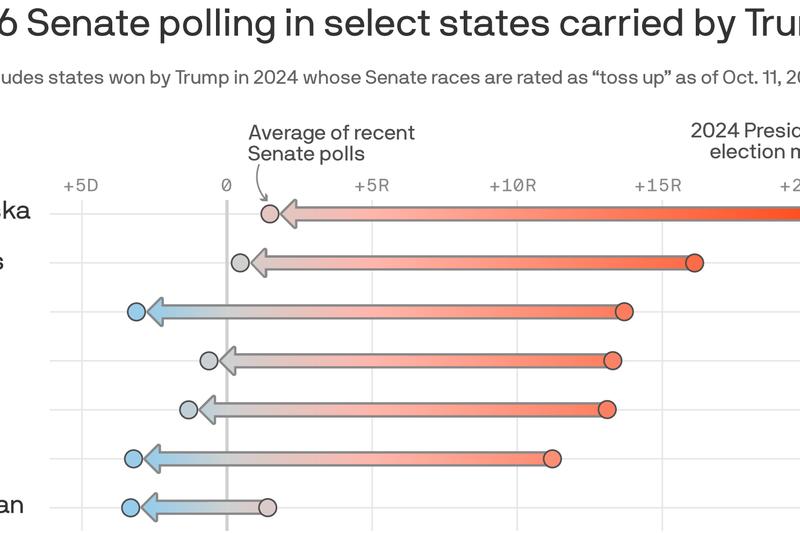
    Voters across Michigan delivered an unexpectedly narrow margin in a high-stakes Senate contest. The outcome left national strategists scrambling to recalibrate their legislative maps. Every precinct reported totals that kept political analysts glued to incoming data streams well into the night.

    Michigan remains a bellwether for national trends. The state houses a diverse electorate stretching from industrial centers to vast rural farming communities. Tuesday night totals confirmed that neither party commands an unassailable advantage in the Rust Belt.

    Implications for the Senate Majority

    Control of the United States Senate hangs in a delicate balance. A razor-thin outcome in Michigan directly impacts committee assignments, leadership elections, and legislative priorities. Party whips now face the daunting task of building consensus with an exceptionally narrow margin for error.

    • Precinct reporting showed unprecedented parity between major party nominees.
    • Suburban counties shifted by fractional percentages compared to prior election cycles.
    • Fundraising totals surpassed previous state records by millions of dollars.

    What the Numbers Reveal About the Electorate

    Economic anxiety and local infrastructure concerns dominated voter feedback at polling stations from Detroit to Grand Rapids. National messaging often took a backseat to regional pocketbook issues. Candidates who addressed local manufacturing and energy costs performed strongest among undecided blocks.

    The margin is tight enough to warrant intense scrutiny from every corner of the political establishment.

    Observers note that razor-thin outcomes force both major parties to re-evaluate their core coalitions. Working-class voters continue to realign based on immediate economic conditions rather than lifelong party loyalty. Precinct captains reported steady turnout despite adverse weather conditions in several northern counties.

    Looking Ahead to Legislative Gridlock

    Lawmakers return to Washington under the immediate shadow of this contested landscape. Legislative compromises will require bipartisan buy-in for every significant initiative. Party leaders can no longer rely on comfortable majorities to ram through partisan agendas.

    Analysts gathered. Strategists gathered. Voters watched.

    Michigan.

  • Martha Stewart Shades Ex-Husband Andy as a Jerk in New Interview

    Martha Stewart Shades Ex-Husband Andy as a Jerk in New Interview

    Decades have passed since their final legal separation, yet the bitter echoes of Martha Stewart and Andrew Stewart’s marriage continue to surface. In a candid recent interview, the lifestyle mogul did not mince words when discussing her former husband. She characterized him directly as a jerk, pulling back the curtain on a relationship that ended in a famously acrimonious divorce back in 1990.

    For years, the public narrative surrounding the rise of the Martha Stewart empire touched only briefly upon her early marriage to the publisher. But as memory serves and recent remarks highlight, the private foundation of that era was built on friction. What looks today like unassailable corporate and domestic success was forged through personal turmoil.

    The Anatomy of a 1990s Hollywood and Publishing Divorce

    Martha and Andrew Stewart married in 1961, long before the multi-media empire, the stock trading controversies, or the prison sentence. Andrew Stewart was a prominent publisher, and Martha was working as a model before transitioning into catering and stockbroking. Together, they built a life in Westport, Connecticut, restoring the historic Turkey Hill farmhouse that would eventually become the backdrop for her early television programs and magazine shoots.

    By the late 1980s, however, the marriage had deteriorated beyond repair. The separation process was notoriously drawn out and emotionally draining. Accusations flew, legal teams mobilized, and the fallout left deep permanent scars. When the divorce was finally finalized in 1990, both parties moved forward in entirely different directions, with Andrew stepping back from the public eye while Martha accelerated her ascent into household-name status.

    Why the Past Still Echoes Today

    Public figures rarely revisit decades-old divorces without a specific catalyst, yet the underlying resentment often remains potent. Martha Stewart built an entire brand centered around domestic perfection, beautiful tablescapes, and flawless organization. The reality of her foundational marriage stood in sharp contrast to that curated aesthetic.

    Callers, interviewers, and biographers have poked at the timeline for years. Andrew Stewart remarried shortly after the split—specifically to former Martha Stewart Living employee Robyn Fairclough—which added a layer of personal betrayal to an already fractured professional and personal dynamic. That historical wound clearly retains its edge.

    The Long Shadow of Turkey Hill

    The Turkey Hill property stands as a physical monument to the years they shared and the empire they began building before it all unraveled. Every room of that house held memories of early publishing deals, catering gigs, and bitter arguments. When Martha Stewart reflects on Andrew Stewart today, she is not just remembering a man; she is remembering the obstacle she had to clear to become the undisputed titan of American lifestyle media.

    Publishers gathered. Lawyers gathered. Biographers gathered.

    Andy.

  • Abdul El-Sayed Secures Democratic Nomination in Michigan Senate Race

    Abdul El-Sayed Secures Democratic Nomination in Michigan Senate Race

    A Pivotal Moment in Michigan Politics

    Abdul El-Sayed took the microphone following a hard-fought primary battle to address cheering supporters across Michigan. Securing the Democratic nomination marks a defining chapter in a political career that has steadily evolved from public health advocacy to statewide legislative ambition. The victory establishes El-Sayed as a central figure in the broader national conversation about the direction of the Democratic Party.

    Campaign headquarters buzzed with energy as the final precincts reported results confirming the outcome. Volunteers, labor organizers, and long-time progressive allies gathered to celebrate a primary campaign defined by grassroots organizing and policy-heavy stump speeches. El-Sayed stepped to the podium bearing the mantle of a unified movement.

    The Path to the Nomination

    The primary contest tested the organizational strength of every campaign involved. El-Sayed navigated a crowded field by focusing intensely on economic security, healthcare access, and environmental protections. Door-to-door canvassing operations spanned from Detroit neighborhoods to rural townships across the Upper Peninsula.

    • Grassroots fundraising outpaced traditional PAC donations in key districts.
    • Coalition building brought together urban progressives and rural working-class voters.
    • Policy proposals centered on universal healthcare, clean water infrastructure, and labor rights.

    Inside the Victory Speech

    The address began without preamble, zeroing in on the economic pressures facing everyday families in Michigan. El-Sayed outlined a vision for the general election that emphasized public investment and accountability for corporate actors. The rhetoric mirrored the progressive populism that galvanized his early runs for office.

    The work does not stop with a primary certificate. The work begins the moment we walk out of these doors and into the communities that built this campaign.

    Observers noted the deliberate framing of the speech as an invitation to the entire state electorate. Rather than focusing strictly on partisan divisions, the address appealed to shared economic struggles. It was a calculated effort to position the nominee as a unifying champion for the state.

    The General Election Landscape

    With the primary behind him, El-Sayed enters the general election cycle with a compressed timeline and high national visibility. Party strategists are already evaluating how the coalition built during the primary will translate to a broader, more conservative electorate in November. Independent voters will likely serve as the deciding factor in the upcoming match.

    Fundraising apparatuses are shifting into high gear to meet the demands of a competitive statewide media market. Television ad buys and digital campaigns are scheduled to roll out across major Michigan media hubs in the coming weeks. The national spotlight remains fixed on the Great Lakes State as a bellwether for congressional power dynamics.

    Looking Toward November

    Campaign trailers rolled out of Lansing. Volunteers organized phone banks in Grand Rapids. Local organizers charted precincts from Flint to Kalamazoo.

    Michigan.

  • Perez Hilton Hospitalized Following Disturbing Livestream and Police Intervention in Miami

    Perez Hilton Hospitalized Following Disturbing Livestream and Police Intervention in Miami

    A Disturbing Broadcast From Miami

    In the early hours of August 2026, celebrity blogger Perez Hilton—born Mario Armando Lavandeira Jr.—initiated a livestream from his residence in Miami, Florida, that immediately alarmed his viewing audience. The broadcast featured erratic behavior, disjointed statements, and signs of severe personal distress that quickly spread across digital platforms. Fans watching in real-time frantically contacted emergency services, recognizing the broadcast as a cry for help.

    Local law enforcement agencies monitored the digital signals while simultaneously receiving dozens of emergency calls from concerned followers. The urgency of the situation required an immediate, on-the-ground response to the Miami property. Digital platforms became flooded with clipped screen recordings, amplifying the visibility of a public figure experiencing an acute personal crisis in real time.

    Police Intervention and Emergency Hospitalization

    Officers from the Miami Police Department arrived at the residence to conduct a welfare check. Upon evaluating the situation inside the home, emergency medical services were called to the scene. First responders made the determination that immediate medical evaluation was necessary, leading to Perez Hilton being transported by ambulance to a nearby Miami-area medical facility.

    Law enforcement officials later confirmed that the intervention was handled as a medical and mental health emergency rather than a criminal matter. Representatives for the digital personality have not yet released an official detailed statement regarding the exact nature of the medical emergency, choosing instead to request privacy as family and medical teams assess his condition.

    The Digital Age of Public Health Crises

    The incident has reignited intense conversations across the internet regarding the intersection of mental health, live-broadcasting technology, and public celebrity. Observers, digital creators, and long-time followers have raised concerns about the pressures of maintaining an online persona while navigating severe behind-the-scenes personal challenges. Livestreaming platforms lack the immediate physical safeguards of traditional broadcast media, leaving vulnerable individuals exposed to a global audience during moments of acute crisis.

    Advocacy groups specializing in mental health and digital safety quickly pointed to the event as a stark reminder of the responsibilities held by both platforms and audiences. When millions of viewers witness a distress call through a digital window, the threshold between passive entertainment and active intervention blurs. Commentators noted the rapid mobilization of fan communities, who utilized social media networks to bridge the gap between digital alarms and physical emergency dispatchers.

    Fan Response and Ongoing Support

    Following the confirmation of his hospitalization, social media feeds filled with messages of concern, empathy, and well-wishes from internet personalities, former industry rivals, and everyday users. Despite years of operating a polarizing gossip brand that frequently courted controversy, the overwhelming sentiment shifted toward compassion as the reality of a medical emergency set in.

    Medical professionals emphasize that acute crises require comprehensive clinical care and extended evaluation away from public view. As Perez Hilton remains under medical supervision in Miami, the broader conversation surrounding celebrity accountability, digital exhaustion, and emergency response protocols continues to unfold across the media landscape.

    Cameras rolled. Dispatchers mobilized. Hospitals admitted.

    Miami.

  • Ben Davis Steps Into Hadestown Following Geno Segers Departure

    Ben Davis Steps Into Hadestown Following Geno Segers Departure

    A Major Casting Shift on Broadway

    The Broadway production of Hadestown has announced a significant cast change. Actor Ben Davis is stepping into the role previously held by Geno Segers. The transition comes in the wake of swift industry consequences following public remarks made by Segers.

    Theatre productions operate under strict visibility standards. When performers make controversial statements outside the theatre, the commercial machinery behind Broadway shows often moves quickly to protect production continuity.

    Understanding the Hadestown Production Background

    Hadestown, created by singer-songwriter Anaïs Mitchell and directed by Rachel Chavkin, opened at the Walter Kerr Theatre in April 2019. It won eight Tony Awards, including Best Musical. The show tells a modernized version of the ancient Greek myth of Orpheus and Eurydice.

    • Show: Hadestown
    • Venue: Walter Kerr Theatre
    • Original Creator: Anaïs Mitchell
    • Director: Rachel Chavkin

    Cast replacements on long-running Broadway shows are common, but substitutions prompted by external controversies draw intense media scrutiny. Producers balance ticket sales, cast morale, and brand protection.

    Ben Davis Enters the Cast

    Ben Davis brings extensive musical theatre experience to the production. Known for his powerful baritone and classical training, Davis has previously appeared in major Broadway productions including La Bohème, Les Misérables, and A Little Night Music.

    His ability to step into demanding musical roles with minimal rehearsal time makes him a reliable choice for emergency casting shifts. Producers look for stability when sudden departures disrupt a production’s schedule.

    The Broader Landscape of Accountability

    The entertainment industry has increasingly enforced swift accountability measures regarding public commentary. Talent agencies, production companies, and theatre boards monitor statements made across public and digital platforms.

    Performers navigate a fragile ecosystem where off-stage remarks carry immediate professional repercussions. The rapid turnaround from Segers’s departure to Davis’s hiring underscores this modern reality.

    The Economics of Broadway Casting

    Broadway musicals rely heavily on tourist traffic and advance ticket sales. Any negative publicity can impact box office returns, prompting immediate intervention from producers.

    Swapping principal actors requires complex contractual adjustments, rehearsal coordination, and marketing shifts. Yet, the cost of swift replacement is often deemed lower than the risk of prolonged controversy.

    The Final Curtain

    Theatre curtains rise regardless of backstage turmoil. Cast members change. Productions adapt. Davis takes the stage.

  • Luka Dončić Offseason Physical Transformation Sparks NBA Fan Discourse

    Luka Dončić Offseason Physical Transformation Sparks NBA Fan Discourse

    Dallas Mavericks guard Luka Dončić drew widespread online attention on August 1, 2026, after video footage surfaced showing a visible physical transformation during his offseason workout regimen. The viral clips showed the five-time All-NBA selection appearing significantly leaner ahead of the 2026-27 NBA season. The visual change triggered immediate debate across social media, particularly among Los Angeles Lakers fan communities evaluating competitive dynamics in the Western Conference.

    Offseason Conditioning and Fan Reaction

    Photos and video clips captured Dončić training in Ljubljana, Slovenia, before spreading across platforms such as X and Instagram. NBA commentators noted a streamlined frame compared to his mid-season playing weight during the 2025-26 campaign. Los Angeles Lakers supporters quickly amplified the media, dissecting the guard’s conditioning and its potential impact on the upcoming season standings.

    High-profile player transformations routinely generate substantial traffic during the NBA summer quiet period. Dončić’s updated look became a top trending topic across sports message boards within hours of publication.

    Historical Scrutiny of Dončić’s Frame

    Public evaluation of Dončić’s weight has followed the 27-year-old Slovenian national team star throughout his North American career. Dallas Mavericks management previously addressed conditioning benchmarks following playoff eliminations in prior seasons. Dončić responded in past offseasons by altering his nutritional strategy and hiring specialized trainers.

    The timing of the August 2026 footage arrives two months before the start of official 2026 NBA training camps. The Mavericks expect Dončić to anchor their offense alongside guard Kyrie Irving at the American Airlines Center this coming autumn.

    League Impact and Competitive Outlook

    Fan accounts dedicated to the Los Angeles Lakers frequently analyze top Western Conference opponents during summer roster construction. While Dončić remains under contract with Dallas, physical updates to elite stars alter player performance models across sports analytics platforms and betting markets in Nevada.

    Training camps open in October. Preseason rotations take shape in November. Roster expectations remain absolute.

    Frequently Asked Questions

    Why are Lakers fans talking about Luka Dončić in August 2026?

    Viral offseason workout clips released on August 1, 2026, showed Luka Dončić looking visibly leaner, prompting Los Angeles Lakers fan accounts and NBA analysts to discuss his physical condition ahead of the 2026-27 season.

    Does Luka Dončić play for the Los Angeles Lakers?

    No. Luka Dončić plays for the Dallas Mavericks, where he serves as the franchise’s primary guard.

    Where was Luka Dončić training during the 2026 offseason?

    Dončić conducted summer physical conditioning workouts in Ljubljana, Slovenia, ahead of mandatory NBA training camps in October 2026.

  • Christina Applegate Returns Home After Months-Long Hospitalization – All Is Well

    Christina Applegate Returns Home After Months-Long Hospitalization – All Is Well

    Christina Applegate is home.

    After months in the hospital, the Emmy-winning actress returned to her family in early August 2026. Sources close to Applegate confirmed that “all is well” following the extended hospitalization.

    The news arrives five years after Applegate publicly revealed her multiple sclerosis diagnosis in August 2021. Since then, the actress has navigated the progressive neurological condition with a mix of humor, honesty, and occasional frustration shared with millions of fans.

    The MS Diagnosis That Changed Everything

    Applegate announced her multiple sclerosis diagnosis on August 9, 2021, via Twitter. She was 49 years old.

    The diagnosis came during production of the third and final season of Netflix’s Dead to Me. Filming paused to allow Applegate time to begin treatment and adjust to the reality of living with a chronic autoimmune disease.

    Multiple sclerosis attacks the central nervous system. The immune system mistakenly targets the protective covering of nerve fibers, disrupting communication between the brain and body. Symptoms vary widely but often include fatigue, difficulty walking, numbness, and vision problems.

    Applegate has described experiencing symptoms for years before receiving the formal diagnosis. In interviews, she mentioned tingling sensations and balance issues that she initially attributed to stress or aging.

    The Dead to Me production resumed in late 2021. Applegate completed filming in 2022, often using a cane on set and requiring accommodations for mobility challenges. The final season premiered on Netflix in November 2022.

    A Public Battle Fought in Private Moments

    Applegate has not hidden her MS journey.

    In March 2023, she launched the podcast MeSsy with co-host Jamie-Lynn Sigler, who also lives with multiple sclerosis. The show became a platform for candid discussions about chronic illness, disability, and the daily realities of managing an unpredictable condition.

    On the podcast, Applegate has discussed weight gain from medications, the emotional toll of losing physical abilities, and the isolation that often accompanies chronic illness. She has also shared moments of dark humor, a coping mechanism she credits with keeping her grounded.

    In January 2024, Applegate revealed she had gained 40 pounds due to steroid treatments. She addressed the weight gain directly, pushing back against body-shaming comments and emphasizing that her health, not her appearance, was the priority.

    In November 2024, she disclosed that she had been diagnosed with sapovirus, a gastrointestinal infection that left her bedridden for weeks. The infection compounded her MS symptoms, creating a cascade of health challenges.

    Throughout these disclosures, Applegate has maintained a consistent message: she will share what she chooses to share, when she chooses to share it. The specifics of her August 2026 hospitalization have not been made public, and no timeline for further updates has been announced.

    The Career That Defined a Generation

    Christina Applegate rose to fame as Kelly Bundy on Married… with Children, which aired from 1987 to 1997. The role made her a household name before she turned 20.

    She transitioned to film in the late 1990s and early 2000s, starring in The Sweetest Thing (2002), Anchorman: The Legend of Ron Burgundy (2004), and its 2013 sequel. She earned critical acclaim for her work in the sitcom Samantha Who?, which ran from 2007 to 2009 and earned her Emmy and Golden Globe nominations.

    Dead to Me, which premiered in 2019, became her final major acting role. The dark comedy, co-starring Linda Cardellini, earned Applegate three Emmy nominations for Outstanding Lead Actress in a Comedy Series.

    She has stated publicly that she does not plan to return to acting. The physical demands of production, combined with the unpredictability of MS symptoms, make sustained work on set untenable.

    In February 2023, Applegate received a star on the Hollywood Walk of Fame. She attended the ceremony using a cane, supported by her daughter Sadie and Dead to Me co-star Cardellini. During her speech, she joked about her MS, telling the crowd, “I can’t stand for long, so I’m going to thank some people quickly.”

    What Multiple Sclerosis Means in 2026

    Approximately one million people in the United States live with multiple sclerosis. The disease is more common in women than men, and most diagnoses occur between the ages of 20 and 50.

    There is no cure. Treatment focuses on managing symptoms, slowing disease progression, and maintaining quality of life. Disease-modifying therapies (DMTs) can reduce the frequency and severity of relapses, but they do not work for everyone and often come with significant side effects.

    Applegate has not disclosed which specific treatments she uses, though she has mentioned steroids, physical therapy, and medications in podcast episodes.

    The unpredictability of MS is one of its defining features. Symptoms can flare without warning, and the progression varies widely from person to person. Some individuals experience long periods of stability. Others face rapid decline.

    Applegate has described her MS as progressive, meaning her symptoms have worsened over time rather than following a relapsing-remitting pattern.

    The Hospitalization and the Silence Around It

    Details about Applegate’s months-long hospitalization remain scarce.

    No official statement has been released by her representatives. The confirmation that she is home and “all is well” came from unnamed sources speaking to Variety in early August 2026.

    The lack of detail is consistent with Applegate’s approach. She has shared extensively about her MS journey, but always on her own timeline and in her own words. She has pushed back against invasive questions and speculation, particularly when it comes to her physical appearance or the specifics of her medical care.

    The hospitalization likely involved management of MS-related complications, though this has not been confirmed. MS can lead to secondary health issues, including infections, mobility challenges, and organ complications.

    What is clear: Applegate is home. She is with her family. And according to those close to her, she is stable.

    Why This Story Matters Beyond Hollywood

    Christina Applegate is not the first celebrity to live with a chronic illness. She is not the first to speak publicly about disability.

    But her visibility matters.

    Multiple sclerosis is often invisible. People living with MS may look healthy on the outside while managing debilitating symptoms internally. This invisibility can lead to misunderstanding, dismissal, and isolation.

    Applegate’s willingness to show up visibly disabled—using a cane, discussing weight gain, admitting she cannot work—challenges the expectation that chronic illness should be hidden or minimized.

    Her podcast, her interviews, and her public appearances have created space for others to speak openly about their own health struggles. She has normalized the use of mobility aids. She has validated the emotional toll of losing physical abilities. She has refused to perform wellness or positivity when the reality is harder than that.

    In a culture that often demands inspiration from disabled people, Applegate has offered something more valuable: honesty.

    What Comes Next

    There is no roadmap for what comes next.

    Applegate has said she does not plan to act again. She has not announced new projects. Her focus, by all accounts, is on her health and her family.

    She is married to musician Martyn LeNoble. They have one daughter, Sadie Grace LeNoble, born in 2011.

    The podcast MeSsy continues. New episodes are released periodically, though the schedule is irregular and depends on Applegate’s health.

    Her return home in August 2026 is not a conclusion. It is a continuation. MS does not resolve. It does not go away. It is managed, navigated, endured.

    Applegate has endured before. She survived breast cancer in 2008, undergoing a double mastectomy at age 36. She rebuilt her career. She became a mother. She kept working.

    This is different. MS is not curable. It is not survivable in the way cancer can be. It is a lifelong condition that will shape every day going forward.

    But Applegate is home. And for now, all is well.

    Fans gathered online. Advocates gathered in comment sections. Podcasters gathered in tribute episodes.

    Christina Applegate.

    Frequently Asked Questions

    When did Christina Applegate return home from the hospital in 2026?

    Christina Applegate returned home in early August 2026 after a months-long hospitalization. Sources confirmed that “all is well” following her release, though specific medical details have not been publicly disclosed.

    What is Christina Applegate’s multiple sclerosis diagnosis?

    Christina Applegate publicly announced her multiple sclerosis diagnosis on August 9, 2021. MS is a chronic autoimmune disease that attacks the central nervous system, causing symptoms like fatigue, mobility challenges, and numbness. Applegate has described her MS as progressive, meaning symptoms have worsened over time.

    Will Christina Applegate return to acting after her hospitalization?

    Christina Applegate has stated publicly that she does not plan to return to acting. The physical demands of production and the unpredictability of her MS symptoms make sustained work on set untenable. Her final major acting role was in the Netflix series Dead to Me, which concluded in 2022.

    What is the MeSsy podcast that Christina Applegate hosts?

    MeSsy is a podcast launched by Christina Applegate in March 2023, co-hosted with actress Jamie-Lynn Sigler, who also lives with multiple sclerosis. The show features candid discussions about chronic illness, disability, and the daily realities of managing MS. New episodes are released periodically depending on Applegate’s health.

    How many people in the United States have multiple sclerosis?

    Approximately one million people in the United States live with multiple sclerosis as of 2026. The disease is more common in women than men, and most diagnoses occur between the ages of 20 and 50. There is no cure, and treatment focuses on managing symptoms and slowing disease progression.

  • US Nearing Major Hormuz Deal as Trump Issues Warning to Iran

    US Nearing Major Hormuz Deal as Trump Issues Warning to Iran

    Global trade routes hang in the balance. The Strait of Hormuz remains one of the world’s most critical economic chokepoints. Millions of barrels of crude oil pass through its narrow waters daily. Now, diplomatic channels and military positioning are shifting simultaneously.

    Reports indicate that Washington is nearing a substantial agreement concerning security and transit rights in the region. At the same time, Donald Trump has delivered an unmistakable warning to Iranian authorities. Decisive leadership has once again taken center stage in international geopolitics.

    The Strategic Importance of the Strait of Hormuz

    Geographically, the Strait of Hormuz connects the Persian Gulf with the Gulf of Oman and the Arabian Sea. Its southern coast is shared by the United Arab Emirates and Oman, while its northern coast is controlled by Iran. A fraction of the world’s petroleum supply traverses this corridor.

    Any disruption in these waters immediately impacts global energy markets. Insurance rates skyrocket. Shipping conglomerates alter multi-week transit schedules. Control and stability in this zone dictate economic health across Western nations and Asian markets alike.

    Previous Tensions and Maritime Confrontations

    For decades, the Iranian military has used the strait as leverage. Fast-attack boats belonging to the Islamic Revolutionary Guard Corps have frequently harassed international tankers. Mines have been deployed. Drones have targeted commercial vessels.

    Past American administrations responded with varying degrees of economic sanctions and quiet diplomatic notes. The approach under Donald Trump, however, has historically favored asymmetric pressure backed by overwhelming military deterrence. That deterrence is now being reasserted.

    What the Potential Deal Entails

    Negotiators have worked behind closed doors to secure unhindered passage for commercial fleets. While full text disclosures remain classified or restricted, the framework addresses maritime security patrols. Allied naval forces intend to enforce safe passage provisions vigorously.

    Enforcement mechanisms form the core of the upcoming announcement. Intelligence sharing among regional partners has intensified. Naval assets from the United States Navy Fifth Fleet maintain constant vigil across the maritime boundaries.

    The Chilling Warning from Donald Trump

    Diplomacy requires leverage. Donald Trump provided that leverage through public and private channels by issuing a direct, uncompromising warning to Tehran. The message left no room for diplomatic ambiguity.

    Consequences for hostile actions in the strait will be immediate and severe. Economic strangulation and military retaliation remain on the table if commercial traffic faces interference. Tehran’s leadership understands the cost of miscalculation.

    Global Market Reactions

    Energy traders have monitored these developments with intense scrutiny. Oil futures experienced immediate volatility upon initial reports of the impending agreement. Markets price in both the risk of conflict and the promise of secured trade routes.

    Insurance underwriters are reviewing risk models for vessels entering the Persian Gulf. A stabilized Strait of Hormuz translates directly to lower fuel costs for consumers worldwide. National security and economic stability remain inextricably linked.

    Diplomats gathered. Strategists gathered. Tankers moved.

    Hormuz.

  • Eli Roth Backtracks on AI Usage in ‘Ice Cream Man’ – ‘I Misspoke’

    Eli Roth Backtracks on AI Usage in ‘Ice Cream Man’ – ‘I Misspoke’

    The Controversy Surrounding Eli Roth and AI in Cinema

    Director Eli Roth found himself at the center of a growing industry debate in August 2026. After initially stating that his horror project Ice Cream Man was created without artificial intelligence tools, Roth reversed his stance. The filmmaker admitted that the production did indeed incorporate AI-assisted shots.

    The admission struck a raw nerve within the Hollywood community. Filmmakers, visual effects artists, and union representatives have spent years fiercely debating the ethical boundaries of generative artificial intelligence in media. Roth’s backtrack quickly became a focal point for these ongoing anxieties.

    The Timeline of the ‘Ice Cream Man’ Retraction

    In early promotional rounds for Ice Cream Man, Eli Roth emphasized the traditional craftsmanship of the production. He touted practical effects, human performances, and standard cinematography. However, sharp-eyed viewers and technology analysts soon pointed out inconsistencies in certain visual sequences.

    Faced with mounting digital evidence and online inquiries, Roth released a clarifying statement to Variety. He explained that certain background elements and transition frames were processed through AI tools. Roth stated bluntly, “I misspoke,” attempting to put the confusion to rest while acknowledging the complexity of modern post-production pipelines.

    Industry Repercussions and Cultural Anxiety

    The use of generative AI in Hollywood remains deeply contentious. Major studios and independent creators alike navigate shifting guild rules and public relations risks. When a prominent director like Roth stumbles over transparency, the fallout extends far beyond a single film.

    • VFX artists raised concerns over uncredited algorithmic assistance.
    • Audiences increasingly demand absolute clarity regarding human versus machine labor in entertainment.
    • Industry guilds monitor how digital tools are integrated into traditional workflows.

    As the line between human artistry and machine generation continues to blur, transparency remains the ultimate currency. Roth’s stumble highlights just how volatile the intersection of technology and storytelling has become in 2026.

    “I misspoke when discussing the visual pipeline for the project,” Roth explained in his follow-up statement to industry reporters.

    Creators now operate in an environment where every frame is scrutinized for digital fabrication. What was once a behind-the-scenes technical detail has transformed into a frontline cultural battleground.