Author: bsn_admin

  • The Cost of a Glowing Screen: Why Rosamund Pike Stopped a West End Show

    The Cost of a Glowing Screen: Why Rosamund Pike Stopped a West End Show

    During a recent West End performance of the legal drama Inter Alia, Academy Award-nominated actress Rosamund Pike confronted an audience member for texting, stating that seeing the glowing screen made it “hard” to continue the performance. The incident occurred mid-scene, prompting Pike to momentarily break the fourth wall to address the digital intrusion. Her public reprimand immediately became a flashpoint in the ongoing debate over modern audience etiquette. What was once considered an unspoken rule of the theatre, remaining present and attentive in the dark, has now become a nightly battleground between performers and ticket buyers. The glowing screen has fundamentally altered the live experience.

    The Confrontation During Inter Alia

    The stage requires absolute focus. The audience requires absolute darkness. When those two elements align, live theatre functions as intended. During a recent performance of Suzie Miller’s highly anticipated play Inter Alia on the London stage, that alignment failed. Rosamund Pike, leading the production, noticed a bright light emanating from the auditorium seats. An audience member was actively texting.

    Pike did not ignore it. She addressed the individual directly. “When I see that, it’s hard,” she stated. The words were simple. The impact was immediate. The performance halted. The audience shifted uncomfortably. The phone was put away.

    This was not a scripted moment. It was a genuine reaction from a performer whose concentration was broken by a localized spotlight in a room designed for controlled illumination. The Hollywood Reporter quickly amplified the incident, turning a localized London theatre disruption into a global conversation about celebrity accountability and public decorum. Pike’s reaction tapped into a shared, industry-wide frustration. The social contract of the theatre is breaking down.

    The Mechanics of a Broken Fourth Wall

    To understand why a cell phone is so disruptive to a stage actor, one must understand the mechanics of theatrical lighting. The stage is flooded with thousands of watts of directional light. The auditorium is plunged into near-total darkness. This contrast is deliberate. It forces the audience’s eye toward the action. It also creates a specific visual environment for the actor.

    Peripheral Vision and Stage Lighting

    Actors looking out into a darkened house do not see a void. Their eyes adjust to the intense glare of the stage lights, leaving the audience in a hazy, shadowed periphery. When a smartphone screen illuminates in that darkness, it acts as a visual siren. The blue light cuts through the shadows with sharp contrast.

    It is impossible to ignore. Human peripheral vision is highly sensitive to sudden changes in light and motion. When an audience member checks a text message, the actor’s eye is involuntarily drawn to the glow. The illusion of the scene shatters. The actor is no longer in a courtroom, a living room, or a historical battlefield. They are standing on a wooden stage in Central London, watching a stranger type on a piece of glass.

    A History of Stage Confrontations

    Rosamund Pike is not the first actor to halt a production over poor audience behavior. She joins a long, storied lineage of stage veterans who have refused to compete with modern technology. The history of Broadway and the West End is punctuated by these moments of sudden, unscripted discipline.

    Patti LuPone and the Lincoln Center Incident

    The most famous modern example occurred in July 2015 at the Mitzi E. Newhouse Theater at Lincoln Center in New York. Three-time Tony Award winner Patti LuPone was starring in the play Shows for Days. An audience member in the second row spent the first act texting. During the second act, as LuPone made an entrance, she walked directly to the patron, physically confiscated the phone from their hands, and continued the scene. The incident made international headlines. Actors’ Equity Association publicly supported LuPone’s actions.

    Richard Griffiths at the National Theatre

    In London, the late Richard Griffiths was notorious for his zero-tolerance policy toward electronic disruptions. During a 2004 performance of The History Boys at the National Theatre, a mobile phone rang repeatedly. Griffiths stopped his dialogue, turned to the audience, and demanded the owner leave the auditorium. He did the same in 2005 during a run of Heroes at the Wyndham’s Theatre. He understood that a distracted audience ruins the experience for the hundreds of other patrons who paid to be there.

    Hugh Jackman, Daniel Craig, and Kevin Spacey have all similarly broken character to scold ringing phones. But ringing phones are an auditory mistake. Texting is a visual, sustained choice. It requires active, ongoing disengagement from the performance.

    The Post-2020 Decorum Crisis

    The frequency of these incidents has accelerated rapidly in the 2020s. Theatre professionals point to the global pandemic as a clear dividing line in audience behavior. For nearly two years, audiences consumed entertainment exclusively in their living rooms. They paused movies to check emails. They scrolled through social media while streaming television shows. The barrier between media consumption and daily life dissolved.

    When live theatre returned in late 2021, audiences brought their living room habits into the auditorium. The Society of London Theatre (SOLT) and the Broadway League have both reported significant increases in disruptive behavior. Front-of-house staff now routinely deal with patrons talking loudly, singing along to musicals, taking flash photography, and aggressively resisting instructions to put away their devices.

    The shared public space is no longer treated with reverence. It is treated as an extension of the individual’s private domain. Pike’s confrontation during Inter Alia is a direct symptom of this cultural shift. The expectation of constant connectivity has overridden the basic manners required for a communal experience.

    The Economics of Audience Entitlement

    The friction between actors and audiences is exacerbated by the sheer cost of attending live theatre. In 2024, premium tickets in the West End can easily exceed £150. On Broadway, premium seats for hit shows routinely cross the $300 threshold. This economic reality has created a dangerous sense of entitlement among certain ticket buyers.

    The Transactional Mindset

    When a patron spends a significant percentage of their weekly income on a two-hour experience, a transactional mindset often sets in. The logic is simple, albeit flawed: I paid a premium price, therefore I own this space for the next two hours. This mindset strips the live performance of its collaborative nature. Theatre is not a television broadcast. It requires the active, silent participation of the audience to function.

    When an audience member texts, they are signaling that their time and their immediate social connections are more valuable than the labor of the artists on stage. They are also degrading the product that the person sitting behind them paid £150 to see. The entitlement of the few penalizes the many.

    Technological Solutions to a Human Problem

    Because human behavior has proven difficult to regulate through polite requests, the entertainment industry is increasingly turning to technological interventions. Pre-show announcements delivered by disembodied voices are no longer sufficient. Signs in the lobby are ignored. Ushers are overworked.

    The Rise of Yondr Pouches

    In response to the decorum crisis, many productions are adopting Yondr pouches. These form-fitting neoprene bags feature a proprietary magnetic lock. Upon entering the venue, patrons must place their phones inside the pouch. The pouch remains in the patron’s possession, but it cannot be opened until they exit the building and tap it against an unlocking base station.

    Comedians like Dave Chappelle, John Mulaney, and Chris Rock pioneered the use of Yondr to prevent their material from being recorded and leaked. Now, theatrical productions are following suit. The 2022 Broadway revival of Take Me Out required Yondr pouches for all attendees, primarily to protect the actors during scenes involving full frontal nudity. However, producers quickly realized a secondary benefit: the audience was remarkably attentive. Without the physical ability to check their phones, patrons actually watched the play.

    Implementing Yondr in traditional West End theatres is logistically complex. It requires additional staffing. It slows down the entry and exit process. It costs money. But as incidents like the one involving Rosamund Pike become more frequent, producers are beginning to view these pouches as a necessary insurance policy against ruined performances.

    The Burden on Front-of-House Staff

    When an actor is forced to discipline an audience member from the stage, it represents a failure of the venue’s security apparatus. But blaming the ushers is unfair. Front-of-house staff in London and New York are chronically underpaid and increasingly subjected to verbal and physical abuse. Asking a 22-year-old usher making minimum wage to confront a hostile, wealthy ticket buyer over a glowing screen is a precarious request.

    Ushers are equipped with flashlights and trained to monitor the aisles. But navigating a darkened, packed theatre to reach a patron in the middle of a row is highly disruptive in itself. Often, the intervention causes more of a distraction than the original offense. Theatres are trapped in a no-win scenario. Ignore the phone, and the actors suffer. Address the phone, and the scene is interrupted anyway.

    The Future of the Shared Experience

    The confrontation during Inter Alia will not be the last of its kind. As long as smartphones remain the central nervous system of modern life, the urge to check them will persist. The dopamine loop of notifications does not respect the rising of a curtain. It does not care about the emotional climax of a scene.

    Rosamund Pike drew a boundary. She demanded the respect that her profession requires. In doing so, she forced a room full of strangers to acknowledge the reality of the live event. They were not watching a screen. They were watching a human being working in real-time. The theatre remains one of the last analog sanctuaries in a digital world. Its survival depends entirely on the willingness of the public to disconnect.

    The lights dim. The stage illuminates. The actors wait. The audience waits. Silence.

  • The Midnight Assassination – Why Jimmy Kimmel Says Late-Night TV Is Being Poisoned

    The Midnight Assassination – Why Jimmy Kimmel Says Late-Night TV Is Being Poisoned

    Jimmy Kimmel stated that late-night television is “being poisoned” rather than “dying of natural causes” following the 2026 cancellation of Stephen Colbert’s program on CBS. The ABC host attributes the collapse of the decades-old late-night format to algorithmic media consumption, corporate streaming pivots, and the fragmentation of the American viewing audience. The sudden end of Colbert’s tenure at the Ed Sullivan Theater marks a definitive fracture in a broadcasting tradition that began in the 1950s. Kimmel views the shift not as an evolution, but as an assassination.

    For decades, the midnight hour belonged to the networks. It was the cultural watercooler. It was where the American public processed the news of the day. Now, the desk is empty. The band has packed up. The audience has moved on to a personalized feed.

    The End of the Ed Sullivan Era

    Stephen Colbert took over the Ed Sullivan Theater in September 2015. He inherited the space from David Letterman. He brought a sharp, political edge to a format that had traditionally favored broad, apolitical entertainment. For a time, it worked. During the Trump administration, Colbert’s monologues dominated the ratings. He provided a nightly catharsis for millions of viewers. But the landscape was already shifting under his feet.

    By 2026, the economics of linear television had deteriorated. Paramount Global, the parent company of CBS, faced mounting debt and dwindling broadcast revenues. The cost of producing a daily, hour-long variety show in the heart of New York City became difficult to justify. The cancellation was not a reflection of Colbert’s talent. It was a reflection of a broken business model.

    When the news broke, the reaction across the industry was swift. But it was Jimmy Kimmel who articulated the grim reality most clearly. Speaking to Variety, Kimmel refused to accept the narrative that late-night was simply aging out of relevance. He rejected the idea of a natural death.

    “We’re being poisoned. It’s not dying of natural causes. The ecosystem is being intentionally drained.”

    Kimmel’s words struck a nerve. He did not point fingers at the audience. He pointed fingers at the infrastructure. He pointed to the algorithms, the corporate mandates, and the digital platforms that extract value from late-night television without contributing to its survival.

    Anatomy of a Poisoning

    To understand Kimmel’s metaphor, one must understand how late-night television makes money. Historically, it was a simple transaction. Networks broadcast a show at 11:30 PM. Millions of people tuned in. Advertisers paid a premium to reach those viewers. The cost per mille (CPM) was high because the audience was captive and engaged.

    That transaction no longer exists. The poison Kimmel refers to is a multi-layered toxin. It began with the DVR. It accelerated with YouTube. It became fatal with TikTok. The audience did not stop watching late-night content. They stopped watching it at night. They stopped watching it on television. They stopped watching the commercials that funded the production.

    The Economics of the Midnight Slot

    A modern late-night show is an expensive operation. It requires a host, a live band, a team of union writers, producers, celebrity bookers, and a massive studio in either Los Angeles or New York City. Annual production budgets routinely exceed $80 million. In the era of Johnny Carson, that investment yielded massive returns. In 2026, the math no longer works.

    Advertisers have migrated to digital platforms where they can target consumers with surgical precision. A 30-second spot on a broadcast network cannot compete with the granular data offered by Alphabet and Meta. As ad revenues shrank, networks attempted to cut costs. They reduced the number of original episodes. They trimmed writing staffs. They relied heavier on sponsored integrations. But these were temporary bandages on a fatal wound.

    A Century of Monologues

    The late-night format is a uniquely American invention. It was pioneered by Steve Allen in 1954. It was perfected by Johnny Carson in 1962. For thirty years, Carson ruled the 11:30 PM slot. He was a cultural monolith. When he retired in 1992, nearly 40 million people tuned in to watch his final broadcast. The battle to succeed him, between Jay Leno and David Letterman, was front-page news. It was a clash of titans.

    Today, a late-night host is lucky to pull 1.5 million live viewers. The monolith has been shattered into a million algorithmic pieces.

    The decline was gradual, then sudden. When Jimmy Fallon took over The Tonight Show in 2014, he brought a hyper-kinetic, viral-friendly energy to the desk. He played games with celebrities. He sang lip-sync battles. He created moments designed specifically to be shared on the internet the next morning. For a brief period, it seemed like late-night had successfully adapted to the digital age. The shows were generating billions of views online.

    The Algorithm vs. The Anecdote

    But those billions of views contained a hidden poison. By optimizing their content for the morning-after viral clip, late-night shows inadvertently trained their audience to ignore the live broadcast. Why stay up until midnight to watch a 60-minute show filled with commercials when you can watch the best three minutes on your phone while waiting for your morning coffee?

    This is the YouTube Paradox. Late-night television built the viral web. Carpool Karaoke, Mean Tweets, and Lip Sync Battle were the engines of early social media engagement. But the networks never figured out how to monetize those digital views at the same rate as a linear broadcast. They traded dollars for digital pennies. They fed the algorithm, and the algorithm grew massive. Then, the algorithm ate them.

    The Rise of the Vertical Feed

    The final blow came in the form of the vertical video feed. TikTok, YouTube Shorts, and Instagram Reels fundamentally altered the way the public consumes entertainment. The traditional late-night interview, a slow, meandering seven-minute conversation between a host and a celebrity, cannot compete with a hyper-edited, dopamine-inducing 15-second clip.

    Celebrities realized they no longer needed the late-night couch to promote a movie. They could reach a larger, younger demographic by collaborating with a digital creator or posting directly to their own followers. The symbiotic relationship between Hollywood studios and late-night television broke down. The couch became obsolete.

    The Corporate Pivot

    Kimmel’s frustration is also directed at the corporate suites. The major media conglomerates, Disney, Comcast, Paramount, have spent the last decade pivoting their resources toward streaming platforms. Disney+, Peacock, and Paramount+ became the primary focus. Linear television was treated as a legacy asset. It was managed for cash flow, not for growth.

    When a network views a time slot as a declining asset, it stops investing in innovation. It stops taking risks. The late-night format became rigid. The monologues became predictable. The interviews became overly managed PR exercises. The poison was not just external. It was administered from within.

    George Cheeks, Bob Iger, and other network executives face an impossible task. They must manage the decline of linear television while attempting to build profitable streaming businesses. In that equation, a $80 million late-night show is a prime target for the chopping block. Colbert was simply the first major domino to fall in this new era of austerity.

    The Last Men at the Desk

    Jimmy Kimmel is now one of the last men standing at the traditional late-night desk. He has anchored Jimmy Kimmel Live! on ABC since 2003. He has outlasted Leno, Letterman, Conan O’Brien, and now Colbert. But his comments reflect a deep existential dread about the future of his profession.

    He recognizes that the format he loves is being dismantled. The communal experience of late-night television is gone. The nation no longer goes to sleep watching the same program. We go to sleep staring at our own personalized, algorithmic feeds. We are isolated in our own digital silos.

    The loss of late-night is not just a loss of entertainment. It is a loss of a shared cultural baseline. Even when the nation was divided, the late-night monologue provided a common text. It was a nightly temperature check on the American psyche. When that temperature check is replaced by an algorithm designed only to maximize engagement, the culture loses its anchor.

    Kimmel’s warning is not just about television. It is about the broader media ecosystem. When institutions are drained of their resources to feed digital platforms, the resulting landscape is barren. The poison works slowly. It degrades the quality. It fragments the audience. It bankrupts the producers. And then, one day, the lights go out at the Ed Sullivan Theater.

    The cameras were powered down. The marquee went dark. The audience looked down at their phones.

  • John Oliver Dismantles Trump’s Freedom 250 Concert Collapse

    John Oliver Dismantles Trump’s Freedom 250 Concert Collapse

    On Sunday, May 17, 2026, John Oliver used the main segment of HBO’s Last Week Tonight to dismantle Donald Trump’s Freedom 250 concert series, comparing the logistical failure in Kissimmee, Florida, to the infamous Fyre Festival. Oliver highlighted how attendees who paid $1,500 for “Patriot VIP” packages were left in flooded tents with cold fast food after headliners pulled out over payment disputes. The broadcast detailed how the Trump-backed America 250 PAC diverted millions in ticket sales away from event infrastructure and into legal defense funds, leaving local contractors and fans stranded.

    The monologue did not just target the muddy fields. It targeted the money.

    What was billed as the premier celebration of America’s semiquincentennial quickly unraveled into a financial sinkhole. But the story does not begin with the rain in central Florida. It begins months earlier, in a boardroom where the promises outpaced the reality.

    The Promise of the Freedom 250

    The announcement arrived in January 2026. Donald Trump launched the Freedom 250 concert series as a patriotic alternative to mainstream summer music festivals. The pitch was massive. A fifty-state tour. Top-tier country and rock artists. A celebration of the signing of the Declaration of Independence.

    The inaugural event was slated for May 15 and 16 at the Liberty Amphitheater in Kissimmee, Florida. Tickets went on sale immediately. General admission started at $250. The “Founding Father VIP” package cost $1,500. The VIP tier promised catered steak dinners, private air-conditioned tents, and exclusive meet-and-greets with conservative media personalities.

    Fans bought in. By March, the America 250 PAC reported over $12 million in ticket sales and sponsorships. The marketing materials featured glossy renderings of massive stages draped in American flags.

    The reality on the ground was starkly different. Construction at the Liberty Amphitheater did not begin until the second week of May. Local vendors reported bounced checks. The warning signs were visible to anyone looking closely.

    John Oliver’s research team looked closely.

    John Oliver Breaks Down the Kissimmee Collapse

    When Oliver took his seat behind the HBO desk on Sunday night, the internet was already flooded with viral videos of the Kissimmee disaster. Oliver did not just replay the clips. He provided the autopsy.

    He started with the infrastructure. Or the lack thereof.

    “Organizers promised a patriotic utopia,” Oliver noted. “What they delivered was less ‘Woodstock 99’ and more ‘Lord of the Flies with red hats.’”

    Oliver displayed photos of the $1,500 VIP experience. The air-conditioned tents were actually open-air pop-up canopies. A severe thunderstorm on Friday afternoon turned the viewing area into a mud pit. The promised steak dinners never arrived.

    Instead, Oliver showed footage of a golf cart delivering brown paper bags to the VIP section. Inside the bags were lukewarm Filet-O-Fish sandwiches and room-temperature French fries. The crowd, expecting luxury, began demanding refunds from teenage volunteers who had no answers.

    The sanitation situation was worse. Oliver cited reports from the Osceola County Sheriff’s Office. Organizers ordered only forty portable toilets for an expected crowd of twenty thousand people. By Friday evening, the facilities were overflowing. There was no running water on site.

    The Missing Headliners

    A music festival requires music. The Freedom 250 failed on this front as well.

    The original lineup boasted Kid Rock, Lee Greenwood, and Ted Nugent. By Wednesday, May 13, the lineup began to fracture. Lee Greenwood’s management released a quiet statement citing “unforeseen contractual issues.” Kid Rock simply did not board his flight to Orlando.

    Oliver explained the mechanics of the cancellations. Music industry standard practice requires a 50 percent deposit to secure an artist, with the remainder paid before they take the stage. The America 250 PAC allegedly failed to wire the final payments.

    When Friday night arrived, the main stage remained dark. Local cover bands were hastily pushed onto a secondary stage to placate the angry crowd. The audio equipment repeatedly shorted out due to the rain and exposed wiring.

    Oliver played a clip of an attendee screaming at a production manager. The attendee held up a soggy VIP lanyard. The production manager simply shrugged and walked away into the rain.

    Following the PAC Money

    The most damning segment of the Last Week Tonight broadcast focused on the finances. Oliver transitioned from mocking the fast food to dissecting Federal Election Commission filings.

    The America 250 PAC raised $12 million for the concert series. Oliver presented a graphic showing exactly where that money went. The breakdown was severe.

    • $8.2 million: Transferred directly to a separate legal defense fund associated with Donald Trump.
    • $2.1 million: Paid to consulting firms owned by former campaign staffers.
    • $1.3 million: Spent on digital advertising and fundraising text messages.
    • $400,000: Actually spent on the Kissimmee event infrastructure and local vendors.

    Oliver pointed at the camera. The math was undeniable. The event was never designed to be a functional music festival. It was designed to be a cash extraction mechanism.

    The $400,000 budget for a twenty-thousand-person event guaranteed failure. It explained the missing portable toilets. It explained the unpaid musicians. It explained the fast-food catering. The money had already been spent elsewhere.

    The Fyre Festival of Political Rallies

    The comparisons to Billy McFarland’s disastrous 2017 Fyre Festival were immediate. Oliver leaned into the parallel.

    Both events sold a lifestyle that did not exist. Both events targeted a specific demographic willing to pay exorbitant prices for exclusive access. Both events ended with stranded attendees fighting over meager rations in a hostile environment.

    But Oliver drew a sharp distinction between the two.

    “Billy McFarland went to federal prison because he defrauded investors to throw a party that failed,” Oliver said. “This operation defrauded partygoers to fund a political legal defense. It is Fyre Festival, but with a super PAC loophole.”

    The legal structure of the America 250 PAC complicates the fallout. Because the event was billed as a political fundraiser rather than a traditional commercial concert, consumer protection laws are murky. Attendees demanding refunds are finding themselves trapped in a legal gray area.

    The Aftermath for Attendees

    By Saturday morning, May 16, the situation in Kissimmee was untenable. The Osceola County Fire Marshal arrived on site. He took one look at the overflowing toilets, the exposed electrical cables in the mud, and the lack of emergency exits.

    The county pulled the event permit immediately. Police cruisers blocked the entrance to the Liberty Amphitheater. The Freedom 250 was officially canceled.

    Attendees who had traveled from out of state were left stranded. Hotels in the Orlando area were already booked for the weekend. Many fans slept in their cars in the muddy parking lot.

    Oliver played the audio from the America 250 customer service hotline. When attendees called to demand their $1,500 back, they were greeted by an automated message. The message thanked them for their “generous political contribution to the America 250 PAC” and stated that all donations were non-refundable by law.

    The VIP ticket purchase had been reclassified as a campaign donation in the fine print.

    The Silence of the Organizers

    In the days following the collapse, the organizers vanished. Donald Trump’s social media accounts made no mention of the Kissimmee disaster. The America 250 PAC website was quietly taken offline.

    Local vendors in Osceola County are currently exploring a class-action lawsuit to recover unpaid invoices for fencing, staging, and security personnel. The chances of recovering the funds remain slim. The PAC’s accounts have largely been drained.

    Oliver ended his segment by panning the camera back to the reality of the situation. It was not just a funny story about bad catering. It was a story about loyalty being monetized and discarded.

    The fans trusted the brand. They bought the tickets. They traveled the miles. They stood in the rain.

    The rain stopped. The stages were dismantled. The attendees drove home.

  • Hugh Bonneville on AI Clones, Studio Capacity, and The Celebrity Traitors Rumors

    Hugh Bonneville on AI Clones, Studio Capacity, and The Celebrity Traitors Rumors

    Hugh Bonneville took the stage at the SXSW London festival in June 2026, which was first held in 2025 to address a fractured entertainment landscape. The Downton Abbey star faced an audience eager for casting gossip, but he delivered a stark assessment of the modern acting profession. When asked directly about his rumored involvement in the BBC’s upcoming reality series The Celebrity Traitors, Bonneville provided a definitive answer to the speculation that had dominated British tabloids for months. But the conversation did not stay on reality television. It quickly pivoted to a more existential threat facing working actors: the rapid advancement of artificial intelligence and the unauthorized cloning of human likenesses.

    The entertainment industry stands at a technological crossroads. The physical demand for content has never been higher. The digital threat to the creators of that content has never been sharper. Bonneville used his platform in London to articulate a cultural defense of the human performer. His remarks captured the anxiety of a profession caught between the booming physical infrastructure of British film studios and the limitless, unregulated expanse of Silicon Valley’s generative AI models.

    The Rumor Mill and ‘The Celebrity Traitors’

    The BBC struck cultural gold with The Traitors. The psychological reality television format, imported from the Netherlands, debuted in the United Kingdom in late 2022. It became an immediate phenomenon. Hosted by Claudia Winkleman at Ardross Castle in the Scottish Highlands, the show blended paranoia, strategy, and camp theatricality. Audiences devoured it. By 2026, the network announced the inevitable: a celebrity edition.

    Tabloid speculation ignited immediately. Casting directors for reality television rely on a specific alchemy of personalities. They need recognizable faces, massive egos, and strategic minds. Hugh Bonneville’s name surfaced early in the rumor cycle. The Paddington and Downton Abbey actor possesses the exact blend of aristocratic charm and public goodwill that makes for compelling television television. The British press ran with the narrative. Anonymous sources claimed negotiations were underway. Paparazzi asked him about Scottish castles.

    At SXSW London, Bonneville addressed the rumors head-on. He dismantled the speculation with practiced diplomatic humor. The actor clarified his stance on reality television formats. He outlined his current production schedule. He shut down the immediate prospect of donning a tweed jacket and banishing fellow celebrities at a Scottish roundtable.

    But the fixation on his casting revealed a broader truth about the modern media ecosystem. Audiences crave authenticity. They want to see scripted actors placed in unscripted, high-stress environments. They want the mask to slip. This cultural desire for genuine human reaction stands in direct contrast to the other major topic Bonneville addressed on the London stage.

    The Existential Threat of AI Clones

    The tone shifted when the conversation turned to technology. Artificial intelligence is no longer a theoretical concept in the entertainment industry. It is a daily reality. By June 2026, generative AI models had advanced far beyond the rudimentary text-to-image generators of the early 2020s. Voice cloning software could replicate an actor’s exact cadence, breath, and emotional inflection from a three-second audio sample. Video generation tools could synthesize photorealistic human movement.

    Bonneville spoke to the existential dread permeating the acting community. The 118-day SAG-AFTRA strike of 2023 established baseline protections for performers regarding digital replicas. But technology outpaces contracts. The 2023 agreements dealt with the AI capabilities of that specific moment. Three years later, the tools had evolved. The threat had mutated.

    The core issue is consent and compensation. Studios and technology firms possess the capability to scan background actors, pay them for a single day of work, and use their digital likenesses in perpetuity. Major stars face a different, but equally invasive, threat. Unauthorized deepfakes and voice clones flood the internet. An actor’s face—their primary instrument and economic asset—can be hijacked to sell products, endorse political candidates, or perform in synthetic media without their knowledge.

    Bonneville articulated the traditionalist perspective. Acting is a deeply human endeavor. It requires breath, imperfection, and lived experience. A machine can simulate the appearance of grief, but it cannot experience it. When studios replace background actors with digital clones, they do not just cut costs. They eliminate the training ground for the next generation of performers. They hollow out the working class of the entertainment industry.

    Who Owns a Face?

    The legal framework surrounding digital likeness remains fractured. The United States and the United Kingdom operate under different intellectual property laws. In the UK, the concept of “image rights” is not codified in the same way as the “right of publicity” in certain American states like California.

    British actors rely on a patchwork of laws regarding “passing off” and data protection to defend their digital selves. This legal gray area makes British performers particularly vulnerable to AI exploitation. Bonneville’s comments at SXSW London highlighted the urgent need for comprehensive legislative reform. The cultural defense of the arts requires legal armor.

    The issue extends beyond famous faces. Voiceover artists have already seen their livelihoods decimated by synthetic narration. Audiobook production, animation dubbing, and commercial voice work have been heavily automated. The acting profession is experiencing a slow, systematic digital replacement. Bonneville’s warning was not hyperbole. It was a status report from the front lines of a labor war.

    The State of UK Studio Capacity

    The paradox of the AI threat is that physical production is simultaneously booming. Bonneville transitioned from the digital ether to the concrete reality of British infrastructure. The United Kingdom remains one of the premier filming destinations on the planet. American studios pour billions of dollars into British production facilities.

    Pinewood Studios in Buckinghamshire. Shepperton Studios in Surrey. Elstree Studios in Hertfordshire. These legendary facilities have expanded massively over the last decade. Netflix, Disney, and Warner Bros. Discovery hold long-term leases on vast tracts of British soundstages. The UK government actively encourages this influx of foreign capital. In 2024, the government introduced a 53 percent corporate tax relief for independent British films with budgets up to £15 million. The goal was to stimulate homegrown production alongside the Hollywood blockbusters.

    But the system is bottlenecked. Studio capacity cannot keep up with demand. When a massive Marvel production or a sprawling Star Wars television series occupies Pinewood for a year, independent British filmmakers are locked out. There is simply not enough physical space to accommodate the volume of content required by global streaming platforms.

    Bonneville understands this ecosystem intimately. Downton Abbey was a triumph of British production, utilizing historic locations like Highclere Castle alongside traditional soundstages. He has witnessed the transformation of the UK film industry from a cottage industry into a massive, industrialized content factory.

    The Intersection of Silicon Valley and the West End

    The tension between physical studio capacity and artificial intelligence creates a bizarre industry dynamic. Studios complain about the lack of physical soundstages while simultaneously investing in technology designed to render physical soundstages obsolete.

    Virtual production technology, such as the LED volumes pioneered by The Mandalorian, bridge the gap. They allow actors to perform in front of hyper-realistic digital environments generated in real-time. This reduces the need for location shooting and massive physical set construction. But it also inches the industry closer to total digital synthesis.

    If a studio can generate a photorealistic Scottish castle on an LED screen in London, they do not need to travel to Ardross Castle. If they can generate a photorealistic crowd of extras, they do not need to hire three hundred working actors. The physical and the digital are locked in a zero-sum game for the future of production budgets.

    Bonneville’s address at SXSW London connected these disparate threads. Reality television rumors. Digital cloning. Soundstage leases. They are all symptoms of an industry undergoing radical, irreversible transformation. The human element of entertainment is being squeezed from both sides. It is commodified by reality television formats that demand authentic trauma for entertainment. It is threatened by technology firms that demand digital replication for efficiency.

    The role of the actor is changing. The definition of a performance is changing. The fundamental nature of what audiences watch on a screen is changing. The industry leaders gathered in London listened to a veteran of the craft outline the stakes. The technology will not stop advancing. The studios will not stop seeking efficiencies. The only variable left is how fiercely the human creators are willing to defend their right to exist within the frame.

    The cameras roll. The algorithms learn. The actors wait.

  • The Peabody Rebellion: How Jimmy Kimmel and Tony Gilroy Turned an Award Show into a Political Battleground

    The Peabody Rebellion: How Jimmy Kimmel and Tony Gilroy Turned an Award Show into a Political Battleground

    Jimmy Kimmel accepted a Peabody Award by thanking Donald Trump, referring to the President as “Pumpkin McPornhumper,” while Andor creator Tony Gilroy used the exact same stage to urge the public to fight fascism, ending his speech with a blunt “F— the Empire.” The event transformed a traditional media ceremony into a dual-pronged political rally. The Beverly Wilshire Hotel ballroom became a broadcast tower for cultural defense. Two different genres of television—late-night comedy and prestige science fiction—collided in a shared warning about the state of American politics.

    The Intersection of Prestige and Politics

    The Peabody Awards do not operate like the Emmys or the Oscars. There are no technical categories. There are no awards for best lighting or best sound mixing. The Board of Jurors at the University of Georgia selects winners based entirely on cultural impact and storytelling excellence. Winning a Peabody signals that a piece of media has touched the nerve of the American public. When the winners take the podium, the expectations are different. The speeches are rarely about thanking agents or managers. The speeches are about the work. And in this era, the work is inherently political.

    The ceremony provided a unique platform. The audience consisted of journalists, showrunners, network executives, and cultural critics. The cameras captured the moments not for a live television broadcast, but for viral distribution. The speeches were engineered for the internet. They were designed to be clipped, shared, and debated across social media platforms. The strategy worked. Within hours, the quotes dominated entertainment news cycles and political commentary feeds.

    Jimmy Kimmel’s Late-Night Monologue Moves to the Podium

    Jimmy Kimmel did not pivot to politics by accident. The host of Jimmy Kimmel Live! spent the first decade of his late-night career avoiding partisan warfare. He focused on viral pranks, celebrity interviews, and pop culture commentary. That changed in May 2017. Kimmel delivered an emotional monologue about his newborn son, Billy, who required open-heart surgery at Cedars-Sinai Medical Center. That monologue transitioned into a plea for the Affordable Care Act. It marked a permanent shift in Kimmel’s public persona. He became a primary antagonist to the Republican party and, specifically, Donald Trump.

    At the Peabody Awards, Kimmel leaned into this established dynamic. He did not deliver a standard acceptance speech. He delivered a targeted strike. By thanking “Pumpkin McPornhumper” for his award, Kimmel achieved two objectives. First, he generated an immediate laugh from the room. Second, he guaranteed the quote would become a headline. The insult was highly specific. It referenced both Trump’s physical appearance and his ongoing legal entanglements involving adult film stars. It was a calculated piece of rhetoric designed to provoke a reaction from Truth Social and cable news networks.

    The Evolution of the Late-Night Desk

    Historically, late-night television served as neutral ground. Johnny Carson famously avoided revealing his political leanings on The Tonight Show. Carson believed that alienating half the country was bad for ratings and bad for business. That paradigm no longer exists. The fragmentation of the media landscape means that late-night hosts no longer need to appeal to a universal audience. They only need to appeal to a dedicated, passionate base. Jon Stewart pioneered this model on The Daily Show. Stephen Colbert perfected it on The Late Show. Kimmel has fully embraced it on ABC.

    This shift reflects broader changes in American consumer habits. Audiences now seek out media that aligns with their existing worldview. A late-night host who refuses to take a stand is often viewed as irrelevant. By attacking Trump at a prestigious event like the Peabody Awards, Kimmel reinforced his brand. He signaled to his audience that he remains on the front lines of the cultural conflict. The Disney-owned ABC network supports this strategy because it generates consistent engagement and reliable advertising revenue.

    Tony Gilroy and the Rebellion of ‘Andor’

    If Jimmy Kimmel provided the comedic attack, Tony Gilroy provided the dramatic warning. Gilroy is the creator and showrunner of Andor, a prequel series to the Star Wars film Rogue One. Under the umbrella of Lucasfilm and the Walt Disney Company, Star Wars is a $4 billion intellectual property traditionally focused on space wizards, laser swords, and toy sales. Gilroy changed the formula. He turned a $250 million streaming series into a gritty, methodical study of how authoritarian regimes take power, and how ordinary people are radicalized into rebellion.

    Gilroy’s Peabody speech reflected the core themes of his show. He did not speak in metaphors. He directly addressed the concept of creeping authoritarianism. He urged the crowd to take on fascism before it becomes too entrenched to defeat. The creator drew a straight line between the fictional Galactic Empire and modern political movements. He ended his speech with a clear, aggressive directive: “F— the Empire.”

    The Anatomy of a Sci-Fi Warning

    Andor resonates because it avoids the fantastical elements of its parent franchise. There are no Jedi in the first season. The villains are not masked monsters. They are mid-level bureaucrats working in the Imperial Security Bureau. They are concerned with quotas, jurisdictional disputes, and climbing the corporate ladder. The show illustrates how evil operates through mundane administrative processes. It shows how a society slowly loses its freedom not through a single catastrophic event, but through a series of small, unchecked compromises.

    The character of Cassian Andor, played by Diego Luna, begins as a cynical thief. He has no interest in politics. He only wants to survive. The narrative forces him to realize that neutrality is impossible under a fascist regime. The arc of the season, particularly the episodes set in the Narkina 5 prison labor camp, highlights the brutal reality of an unchecked state apparatus. When Gilroy stood at the Peabody podium and warned about fascism, he was speaking directly to the themes he spent two years writing and producing for Disney+.

    The Peabody Awards as a Cultural Barometer

    The George Foster Peabody Awards were established in 1940. They were created by a committee of broadcasters and the University of Georgia’s Henry W. Grady College of Journalism and Mass Communication. The original goal was to create a broadcasting equivalent to the Pulitzer Prize. Over the decades, the Peabody Board has consistently recognized programming that addresses pressing social issues. They awarded Edward R. Murrow. They awarded Sesame Street. They awarded The Wire.

    By honoring both Kimmel’s late-night commentary and Gilroy’s science fiction drama in the same year, the Peabody Board made a definitive statement. They signaled that the most vital storytelling currently happening on television is rooted in political resistance. The awards validate the creators’ choices to embed activism into their art. It provides academic and institutional backing to what might otherwise be dismissed as mere entertainment.

    The Mechanics of the Modern Viral Moment

    The speeches by Kimmel and Gilroy were not spontaneous outbursts. They were crafted moments of cultural defense. In the modern media ecosystem, an award show is merely a content generation engine. The actual presentation of the physical trophy is secondary. The primary goal is to create a moment that will be dissected by commentators, aggregated by news outlets, and shared by millions of users on smartphones.

    This requires a specific type of rhetoric. It requires soundbites. “Pumpkin McPornhumper” is a soundbite. “F— the Empire” is a soundbite. These phrases are easily digestible. They fit neatly into a headline. They trigger algorithms that prioritize high-emotion, high-engagement content. The creators know exactly what they are doing. They are using the machinery of the attention economy to broadcast their ideological warnings.

    The Echo Chamber vs. The Megaphone

    The impact of these moments remains a subject of debate among media analysts. Do political speeches at award shows change the minds of voters? The empirical evidence suggests they do not. Political polarization in the United States is deeply entrenched. A voter who supports Donald Trump is unlikely to be swayed by an insult from Jimmy Kimmel. A viewer who leans toward authoritarian policies is unlikely to reconsider their stance because of a speech by a Hollywood showrunner.

    However, changing minds is rarely the actual objective. The objective is mobilization. The objective is to energize the existing base. When Kimmel mocks Trump, he provides catharsis for his audience. When Gilroy warns about fascism, he provides validation for viewers who feel anxious about the political climate. These speeches act as a megaphone for the cultural defense of specific values. They remind the audience that they are not alone in their concerns.

    The Financial Realities of Political Art

    There is also a stark financial reality beneath the rhetoric. Controversy generates cash. When Jimmy Kimmel trends on social media, ABC benefits from the increased visibility. When clips of Tony Gilroy’s speech circulate online, they drive subscriptions and viewership to Disney+. The Walt Disney Company, which owns both ABC and Lucasfilm, profits directly from the cultural friction.

    This is the paradox of modern political entertainment. Anti-establishment messages are distributed by some of the largest corporate conglomerates on the planet. The rebellion is monetized. The resistance is sponsored. This does not invalidate the sincerity of the creators. Tony Gilroy is undoubtedly passionate about the themes of Andor. Jimmy Kimmel is undoubtedly sincere in his disdain for Donald Trump. But their messages are amplified because they align with the financial imperatives of their parent companies.

    The Future of the Broadcast Podium

    The Peabody Awards ceremony serves as a blueprint for the future of entertainment gatherings. The era of the apolitical celebrity is over. The expectation of silence has been replaced by the demand for advocacy. Creators, actors, and hosts are now expected to leverage their platforms for cultural defense. Those who refuse to participate risk being marginalized by an audience that demands ideological alignment.

    As the political climate remains volatile, the rhetoric will likely escalate. The insults will become sharper. The warnings will become more dire. The lines between entertainment, news, and political campaigning will continue to blur until they disappear entirely. The stage is no longer just a place to accept a trophy. It is a trench in a much larger conflict.

    The comedians joked. The writers warned. The cameras rolled. Broadcast.

  • The Origins of a Gathering City Part 6 – The Nomadic Resilience

    The Origins of a Gathering City Part 6 – The Nomadic Resilience

    The year 1909 began with a disaster that should have broken Springfield’s spirit. Instead, it launched an era of gritty improvisation that would define the “Queen City” for decades. If the 1899 Tenth Ballot Heartbreak taught the city that it lacked ground, the night of January 6, 1909, taught it that even its most expensive thrones were fragile.

    The Gilded Throne: The Baldwin’s Reign

    Before it was a memory, the Baldwin Theatre was the undisputed cultural heart of the Ozarks. Built in 1891 at 318-322 St. Louis Street for $109,000 (roughly $3-4 million today), it was a multi-use commercial powerhouse. Named after a Mr. Baldwin who came from Cleveland to start a stove factory, the building housed dozens of offices and retail stores alongside its grand auditorium seating nearly 800.

    For nearly twenty years, the Baldwin hosted the world. It saw literary giants, political rallies, and everything from Shakespearean tragedies to controversial spectacles like The Clansman – the Thomas Dixon play later adapted into Birth of a Nation and linked by contemporaries to racial violence in Springfield. The last person to grace its stage was journalist and lecturer Opie Read, who performed on the evening of January 5. No one knew that by the next morning, the preeminent cultural institution of Southwest Missouri would be reduced to a pile of brick and ash.

    The Night of the Conflagration

    The fire ignited in the early morning hours of January 6, 1909, in the theater’s boiler room. In an age of velvet draperies and oil-painted canvas scenery, the building was a tinderbox. According to the Springfield Fire Department’s documented history, the blaze was a total loss – the city’s equipment could not stop it.

    The only thing that saved downtown was the Colonial Hotel next door. Built with innovative fireproof reinforced masonry, the hotel acted as a massive shield, preventing the flames from consuming the entire business district. The disaster exposed a painful gap in Springfield’s modernization: the sophisticated Queen City lacked the infrastructure to protect its own crown jewel.

    The Phoenix and the Nomad

    Springfield’s response was characteristically fast. According to the Landers Theatre’s documented history, plans for the replacement theater were announced just ten days after the Baldwin fell, and the Landers opened eight months later in September 1909 with advanced fire-resistant brick and terracotta. But while the indoor throne was being rebuilt, the city’s agricultural heart remained homeless.

    From the early 1900s through the mid-1920s, what we now know as the Ozark Empire Fair lived through a nomadic era. Without a permanent headquarters, the event moved between various vacant lots and public squares. Prior fairs had been attempted sporadically but, as local historian Cheryl Kepes has noted, none of them ever took root where they were.

    The Pickwick and Grand Era

    By the late 1920s, this nomadic spirit found a semi-permanent home at the intersection of Pickwick Avenue and Grand Street – land that is now part of the Missouri State University campus.

    This was the era of the Free Fair. During the Great Depression, civic leaders insisted on eliminating gate admission – a move focused on civic pride over profit, ensuring that struggling Ozark families could still gather without a financial burden. The site featured a makeshift racetrack for horse and early automotive races, serving as a living classroom for the region’s youth.

    Finding the Foundation

    The nomadic era finally reached its destination in 1937. Organizers secured land on Norton Road after a WPA grant was confirmed in 1936, with the Greene County Agricultural and Mechanical Society filing its charter on July 6, 1937.

    On October 10, 1937, the fair opened at its permanent home. According to Ozarks Alive’s retrospective on the fair’s founding, it was a scrappy beginning – the first fair was so cold that exhibitors huddled in tents, and the grandstand was still a primitive wooden structure. But after decades of wandering, the Ozarks finally had a foundation that would not burn and could not be moved.

    Next in the Series: The “Infrastructure Reckoning” of 1909 and the nomadic 1920s had proven that Springfield could survive anything. But in 1923, a new kind of monument would rise on St. Louis Avenue – one so massive, so exotic, and so permanent that it would reclaim the city’s title as the undisputed host of the Midwest. It was time for the Shrine Mosque.

  • Iran Peace Talks Collapse in Islamabad as U.S. and Iran Fail to Reach a Deal

    Iran Peace Talks Collapse in Islamabad as U.S. and Iran Fail to Reach a Deal

    Twenty-one hours of direct negotiations between the United States and Iran ended without an agreement on Sunday morning, leaving a fragile two-week ceasefire in serious doubt and raising new questions about the future of a six-week war that has reshaped the Middle East.

    Vice President JD Vance led the U.S. delegation into face-to-face talks at the Serena Hotel in Islamabad, Pakistan, in what became the highest-level in-person engagement between Washington and Tehran since the 1979 Islamic Revolution. The Iranian delegation, led by Parliament Speaker Mohammad Bagher Ghalibaf, arrived dressed in black in mourning for Supreme Leader Ayatollah Ali Khamenei and others killed during the conflict.

    Why the Talks Failed

    The core demand from the United States was a firm commitment from Iran not to develop nuclear weapons. Iran refused. Vance told reporters before boarding Air Force Two that the American side had made its position clear throughout the negotiations.

    Iran refused to meet that demand. Vance told reporters before boarding Air Force Two that the U.S. side had presented what he described as a final and best offer, and that it was now up to Iran to decide whether to accept it.

    Iran’s chief negotiator blamed the United States for the breakdown. Ghalibaf said his delegation raised forward-looking proposals during the talks but that the opposing side failed to gain their trust. Iran’s Foreign Ministry added that the two sides had reached a measure of understanding on some issues but that gaps remained on several major points, including control of the Strait of Hormuz, sanctions relief, and war reparations.

    The Strait of Hormuz Remains the Pressure Point

    The Strait of Hormuz sits at the center of the entire standoff. Iran has maintained a chokehold on the strait since the start of the war, blocking roughly 20 percent of the world’s oil and liquefied natural gas shipments. The resulting disruption has sent energy prices climbing globally and placed pressure on the economies of U.S. allies across Europe and Asia.

    Three supertankers passed through the strait on Saturday in what appeared to be the first vessels to exit the Gulf since the ceasefire was announced, according to shipping data. Iran has not committed to fully reopening the passage, and according to multiple reports, Iran also lost track of mines it planted in the strait, complicating any timeline for clearing it. The U.S. Navy has begun a mine-clearing operation in the area.

    Trump Threatens a Naval Blockade

    Within hours of Vance departing Islamabad, President Trump posted on social media that the United States would impose a full naval blockade on Iran. Trump stated that the talks had failed because Iran was unwilling to give up its nuclear ambitions. He had previously downplayed the importance of the negotiations, telling reporters in Washington that whether a deal was reached made no difference to him.

    The threat of a blockade marks a significant escalation in rhetoric, though it is not yet clear whether military action will follow. The two-week ceasefire is set to expire on April 22, and neither side has signaled whether it will hold beyond that date. Pakistan, which served as the primary mediator throughout the process, urged both parties to maintain the ceasefire and said it intends to continue playing a role in peace efforts.

    Where Things Stand Now

    The collapse of the Islamabad talks does not mean negotiations are permanently over. Vance left open the possibility of continued discussions before departing, and Iran’s Foreign Ministry described the current stage as critical and sensitive. What happens in the days before April 22 will determine whether diplomacy remains viable or whether the conflict resumes at full scale.

    Israel’s continued military campaign against Hezbollah in Lebanon added another layer of complication throughout the proceedings. Tehran had insisted the ceasefire included Lebanon, a position the United States and Israel both rejected. Israel killed more than 350 people in Lebanon in a single day earlier in the week, and Prime Minister Benjamin Netanyahu stated publicly that his country’s military campaign against Iran was not over.

    The war began on February 28, 2026, with a surprise joint U.S. and Israeli strike on Iran involving hundreds of coordinated attacks. The ceasefire that created space for these talks was announced on April 7. With that window closing and no agreement in hand, the coming days carry significant weight for the region and for global energy markets alike.

  • My Earliest Memories

    My Earliest Memories

    My earliest memories were of a day in early November of 1947. I had just turned four years old, and already I knew the sound of trouble. When Mama and Daddy started in on each other the hollering, the cursing, the kind of fighting that filled up every corner of a small house me and my sister Loretta would find ourselves behind the furniture. That was just what you did. You made yourself small, and you waited for the quiet.

    When the hollering stopped, that was our signal to come out.

    I remember walking out and finding Mama lying across the bed, both hands pressed against her stomach. Her face and hands were black dirty or bruised, I couldn’t rightly tell at four years old. She was crying, but soft. The kind of crying that’s more tired than sad. She looked completely worn through.

    I stood there looking at her and I said, plain as anything: Mama, you look just like a black person.

    Now I had never seen a black person in my life up to that point. To this day I couldn’t tell you why those words came out of my mouth. I was four. I just said what I saw.

    Mama never forgot that. She’d bring it up years later and laugh about it, the way you laugh at things that weren’t funny at the time but somehow become part of the family story.

    About a week after that, Mama’s sister came to visit. That was Aunt Clara. The two of them would get to talking quiet conversations, the kind where the words never quite reached the next room. Me and Loretta could feel there was something being kept from us. Every time we’d wander in, the talking would stop. Just like that. Two women sitting there looking at us like we’d walked in on something we weren’t supposed to see.

    There was a secret in that house. We didn’t know what it was. But even at four years old, you know when the grown-ups are carrying something heavy.

    We just didn’t know yet what it was going to cost all of us.

  • Springfield Was Always a Gathering City Route 66 Proved It.

    Springfield Was Always a Gathering City Route 66 Proved It.

    On April 30, 1926, in a hotel in downtown Springfield, Missouri, a telegram was drafted. Two businessmen John T. Woodruff of Springfield and Cy Avery of Oklahoma proposed a name for a new transcontinental highway running from Chicago to Los Angeles. That name was Route 66. Springfield did not just host the beginning of a road. It sent the word that started one of the most iconic cultural symbols in American history.

    One hundred years later, Springfield is doing it again.

    The Birthplace Gets Its Moment

    Springfield has been selected as the Official Host City for the National Route 66 Centennial Kickoff, set for April 30 through May 3, 2026. The selection was made through a competitive process by the U.S. National Route 66 Centennial Commission and the Road Ahead Partnership. Springfield applied on behalf of the Missouri Route 66 Centennial Commission, established by Governor Mike Kehoe, to commemorate the 100th anniversary of Route 66.

    The choice was not arbitrary. Springfield was chosen as the host due to its recognition as the birthplace of Route 66 the city where the telegram proposing the name was sent to federal highway officials. The anniversary of that telegram falls on April 30. The kickoff is not a coincidence. It is a statement.

    What Is Happening and When

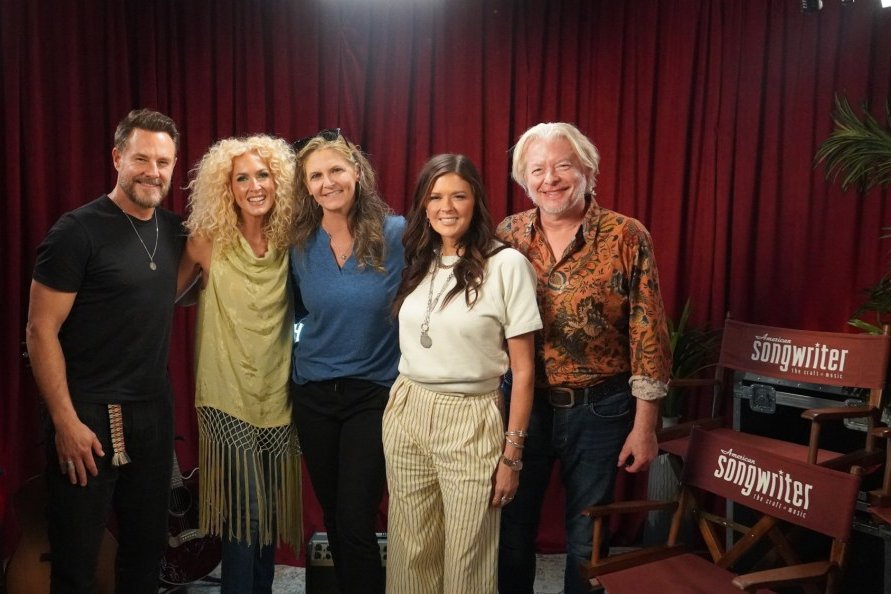
    Events across the four days include a concert with A-list entertainment, landmark dedications, a classic car parade, a classic car show, and the Jefferson Avenue Footbridge dedication. The concert lineup features Little Big Town, Chris Janson, Gary LeVox of Rascal Flatts, Gretchen Wilson, Ozark Mountain Daredevils, and The Haygoods all performing at Great Southern Bank Arena on the campus of Missouri State University.

    The national spotlight lands on Springfield before the weekend even begins. The 3rd Hour of NBC’s TODAY will broadcast live from the new Birthplace of Route 66 Plaza downtown from 8 to 9 a.m. central time on April 30. That broadcast puts Springfield in front of a national audience on the exact anniversary of the telegram that started it all.

    Why This Story Is Bigger Than a Festival

    Most coverage of the Centennial Kickoff will focus on the car shows, the concerts, and the logistics. That is the surface. The deeper story is what Springfield represents in the American imagination and why it has always been a gathering city long before Route 66 gave it a name.

    The route itself runs through the heart of Springfield. The famous highway crosses the city from Kearney Street to Glenstone Avenue to St. Louis Street, through Park Central Square, and heads west along what is now Chestnut Expressway. A historic marker and new Birthplace Signage stand at the corner of Jefferson Avenue and Park Central East, where the Colonial Hotel once stood. This is not reconstructed history. It is geography that has been here for a century.

    Springfield’s role in the Centennial is not a tourism campaign. It is a recognition that this city has been a crossroads economically, culturally, and geographically since long before the interstate system made that role invisible.

    What Comes Next

    The Centennial Kickoff is the opening act of a broader national commemoration tied to America’s 250th birthday in 2026. The kickoff concert will be livestreamed around the world with cut-ins from Route 66 cities across the United States. Springfield’s moment on April 30 is not a local event with national implications. It is a national event that happens to be taking place here.

    For a city in the middle of a significant redevelopment era with a $200 million Convention Center in discussion, the Jordan Creek daylighting underway, and the Grant Avenue corridor transformation nearly complete the Centennial arrives at exactly the right time. The gathering city is gathering again. And it has the history to prove why it was always supposed to.

  • The Origins of a Gathering City Part 5 – The Tenth Ballot Heartbreak

    The Origins of a Gathering City Part 5 – The Tenth Ballot Heartbreak

    The Baldwin Theatre was barely eight years old when Missouri decided to pick a fight. Not with Springfield directly. What the state did in 1899 was far more consequential it announced that it was finally ready to build something permanent. A centralized, state-sanctioned home for Missouri’s agricultural identity. Something that had never existed in Missouri’s history. And it invited every city willing to prove itself to step forward and make its case. Springfield stepped forward. What happened next would expose something the Baldwin’s chandelier could not illuminate and the Metropolitan’s elevator could not reach. Something that had quietly followed the city from the improvised dining tents of 1883 through every ribbon cutting and grand opening since. Springfield knew how to build a stage. It did not yet know how to build a foundation.

    A State Without a Center

    To understand what was at stake in 1899, you have to understand what Missouri had been living without and how long it had been living without it. For decades after the Civil War, the state’s agricultural identity had no permanent address. Missouri was not a minor player. It was a national leader in mules, cattle, and swine, and its horse breeders were among the most respected in the world, collecting recognition at expositions far beyond the state’s borders. And yet, unlike neighboring Illinois, Iowa, and Kansas, Missouri had no permanent, state-supported fair to serve as a centralized hub for what its farmers and breeders were producing. The most prominent exhibition in the state, the St. Louis Exposition, had been running since 1856 but was increasingly problematic by the late 1890s. Its board was mired in financial instability, and there was a widening cultural rift between the urban-centric St. Louis events and the rural farmers of central Missouri. These were men reluctant to haul their livestock and products into a major city for a fair that did not reflect the agrarian realities of the countryside. Missouri’s success at the 1893 Chicago World’s Fair had sharpened that frustration. The state’s livestock won thousands of dollars in cash awards and numerous premiums at Chicago, proving Missouri had the quality necessary for a world-class exhibition. What it lacked was the permanent infrastructure to sustain that standard at home. The previous attempt at a statewide fair, established in Boonville in 1853, had collapsed after just two years. What followed was four decades of county fairs, regional exhibitions, and borrowed spaces that left Missouri’s agricultural identity fragmented across county lines. By 1897, the people who felt that absence most acutely had grown impatient enough to organize.

    The Man Who Wrote the Law

    The push that turned frustration into legislation began in 1897 at the fifth annual meeting of the Missouri Swine Breeders Association in Lexington. N.H. Gentry, a distinguished Sedalia breeder with deep influence in livestock circles, introduced a resolution pushing the General Assembly to establish a permanent state fair. The Horse Breeders’ Convention followed. The Missouri State Poultry Association followed. The momentum moved through association after association, building the kind of coordinated pressure that a legislature cannot easily ignore. By January 1899, the political machinery was in motion. The man who carried it into the 40th General Assembly was Representative Cyrus F. Clark of Mexico, Missouri. Clark was not a typical legislator. Born in New Hampshire in 1847, he came to Audrain County in 1867 as a teacher, shifted into farming and real estate, and eventually rose to Vice-President of the Southern Bank in Mexico. When he returned to the legislature for the 1899 session, he was appointed Chairman of the Ways and Means Committee. Clark’s motivation for this bill was personal as much as political. Northwest of Mexico, he and his brother-in-law Joseph Potts ran the Prairie Home breeding farm, a serious operation in the American Saddlebred industry. In 1887 they built what became known as the Big Barn on the Boulevard, a $5,000 structure housing Clark’s string of racehorses and trotters. Their Clark and Potts Combination Sales auctions drew buyers from across the United States and from foreign countries directly to Mexico, Missouri. They also employed and championed Tom Bass, a legendary African American horse trainer who became one of the most celebrated figures in the industry. Clark understood from inside that world that Missouri’s dominance in livestock was being undersold. A state fair was not just a civic amenity. It was a standardized stage where the work Missouri breeders were producing could be seen, judged, and valued by the broadest possible audience. He introduced House Bill 279 on January 23, 1899. Governor Lon V. Stephens called the fair an essential barometer of the state’s economic health. The bill passed the House 88 to 21 on April 5th, cleared the Senate on April 14th, and was signed into law on April 19, 1899. The Missouri State Fair was now a legal entity. All that remained was deciding where it would live. And that decision would ignite a war.

    The Call for Bids

    House Bill 279 gave the State Board of Agriculture eighty days to select a permanent site. The legislation was specific: the fair had to be located in a rural area in the central part of the state, easily accessible to exhibitors and visitors. Each bidding city was required to donate at least 100 acres of land and provide comprehensive infrastructure including water, electricity, roads, and sidewalks. Six primary cities answered: Centralia, Chillicothe, Marshall, Mexico, Moberly, and Sedalia. It is worth noting what that list contains. Mexico, Missouri, the home of Cyrus F. Clark himself, the man who wrote the bill, was now competing for the institution its own representative had created. That detail captures the texture of turn-of-the-century civic ambition, where personal vision and municipal interest operated as a single engine. Springfield, representing the entire Ozark region, stepped in as what the historical record describes as a shadow campaign. A determined push operating outside the formal structure of the six primary bidders, driven by the conviction that Southwest Missouri deserved representation in whatever institution the state was about to build. Local businessman Louis Reps led the effort. The argument was regional as much as logistical. The Ozarks were not Little Dixie. The farms were different, the soil was different, the relationship to the land was different. To let central Missouri claim the state fair without contest was to let that difference go permanently unrecognized.

    Red Carpets and Quiet Professionalism

    The Board of Agriculture conducted a site visit to each competing city before the final vote, and what the tour revealed was that every city had a strategy and no two were alike. Marshall came in with social muscle. A $3-a-plate banquet, pledges of $20,000 in facility contributions, and promises of streetcar service and electricity directly to the site. Mexico played to civic enthusiasm. When the Board of Directors arrived by train, Mexico sent a brass band to meet them and kept that brass band playing at every subsequent stop on the tour, following the directors from station to station as a traveling advertisement for Audrain County’s spirit. Centralia deployed coordinated crowds of supporters to the platform, leaning on its central location and community solidarity as its primary arguments. Sedalia, which was the first stop on the tour, performed none of this. A small group of local businessmen met the Board with quiet professionalism and one overwhelming asset the Van Riper tract. One hundred and sixty acres of contiguous land at the edge of the city, historically set aside in 1896 during a previous attempt to relocate the Missouri State Capitol from Jefferson City to Sedalia. Land that had once been considered worthy of the state’s highest offices. Land already integrated with Sedalia’s electric streetcar system and served by two steam railroads. Sedalia also offered the immediate use of its existing Liberty Park fairgrounds, meaning the fair could begin operations without waiting for permanent construction to be completed. Springfield’s presentation asked the Board to believe in potential. The city’s agricultural exhibitions were nomadic, traveling displays of Ozark crafts and handwork that moved between borrowed locations within the city, including a site at Pickwick and Grand Streets. There was no permanent headquarters and no fixed, dedicated ground that could be placed beside the Van Riper donation in the same conversation without the gap becoming obvious. Springfield had the Queen City’s confidence and Louis Reps’ regional conviction. What it did not have was 160 acres.

    The Tenth Ballot

    The final vote took place in Jefferson City on June 3, 1899. The hall carried the energy of a high-stakes political convention. Every competing city had sent its delegates to the capital for closing arguments, and hundreds of supporters crowded outside while the Board convened inside to begin balloting. What followed was not a quick decision. Round after round, the board deadlocked. Regional alliances held firm. The central Missouri bloc fractured votes without consolidating behind a single candidate. Springfield’s delegates pushed hard for the Southwest, arguing that the state’s agricultural representation could not be complete without the Ozarks at the table. The voting stretched past midnight, past the point where the banquets and the brass bands and the hospitality still mattered. What remained in those early morning hours was the bare architecture of the decision: ground, transit, and permanence. On the tenth and final ballot, Sedalia won. The margin came down to what it had always pointed toward. Sedalia offered the largest and most credible land commitment in the entire field, the most developed transportation infrastructure for moving large volumes of visitors, and the Van Riper tract carrying the institutional gravity of having once been considered for the state’s highest purpose. The aftermath was not graceful. Springfield’s delegates left Jefferson City with what the historical record describes as significant grumbling, with some accusing the Board of political fixing. The Mexico Intelligencer newspaper expressed open curiosity about how Sedalia had turned the trick. Centralia lodged formal complaints, convinced that political bias had worked against them. And then it was discovered that the land abstract for the Sedalia property was faulty. A defect in the deed. While Sedalia officials worked to correct the paperwork, the losing cities continued to press formal objections hoping the technicality might unwind the decision. The State Board of Agriculture stood firm. The deed was corrected. The decision held.

    What the Loss Actually Said

    It would be easy to read the tenth ballot as a story about land. Sedalia had more of it, committed to it earlier, and wrapped it in a bid the Board could not argue against on purely practical grounds. That reading is not wrong. But the loss said something more specific about Springfield, something that connected directly back to the improvised dining tents on E.G. Blake’s grounds in 1883 and the city’s long pattern of gathering through ingenuity rather than infrastructure. Springfield had spent two decades learning to host. It had built the Metropolitan, opened the Opera House, and constructed the Baldwin. It had proven, repeatedly, that it could gather people. But gathering people and institutionalizing a gathering are two different things. One requires a good building and a willing city. The other requires ground, dedicated and permanent, legally committed ground that tells a state board and a legislature and a hundred years of future visitors that this place was built for exactly this purpose and no other. The Board of Agriculture did not rule against the Ozarks. It ruled for permanence. And in 1899, permanence belonged to Sedalia.

    The Queen City Does Not Fold

    The grumbling in Jefferson City was real. So was the sting of the loss. But what Springfield did next was more revealing than anything that happened in that hall on the night of the tenth ballot. The city did not accept the verdict as final. It accepted it as a challenge. If the state would not bring its institution to the Ozarks, the Ozarks would build an institution of its own. The recognition that dedicated, permanent exhibition space was the difference between competing and winning began to reshape how the city’s leaders thought about what needed to be built and on whose terms. That work would not happen overnight. The road from the tenth ballot to a permanent Ozark fairground would be long and uneven. But the direction had been set in the small hours of a Jefferson City morning, somewhere between the final ballot and the long ride back to Greene County. Springfield had lost the Missouri State Fair. The Queen City was not finished gathering.

    Next in the Series

    The tenth ballot closed a door. What Springfield built in response would take years, and it would have to be built on its own terms, without the state’s endorsement and without the central Missouri infrastructure that had carried Sedalia to victory. The Resilience Era had begun. And the Queen City was about to prove that losing a vote is not the same thing as losing a vision.