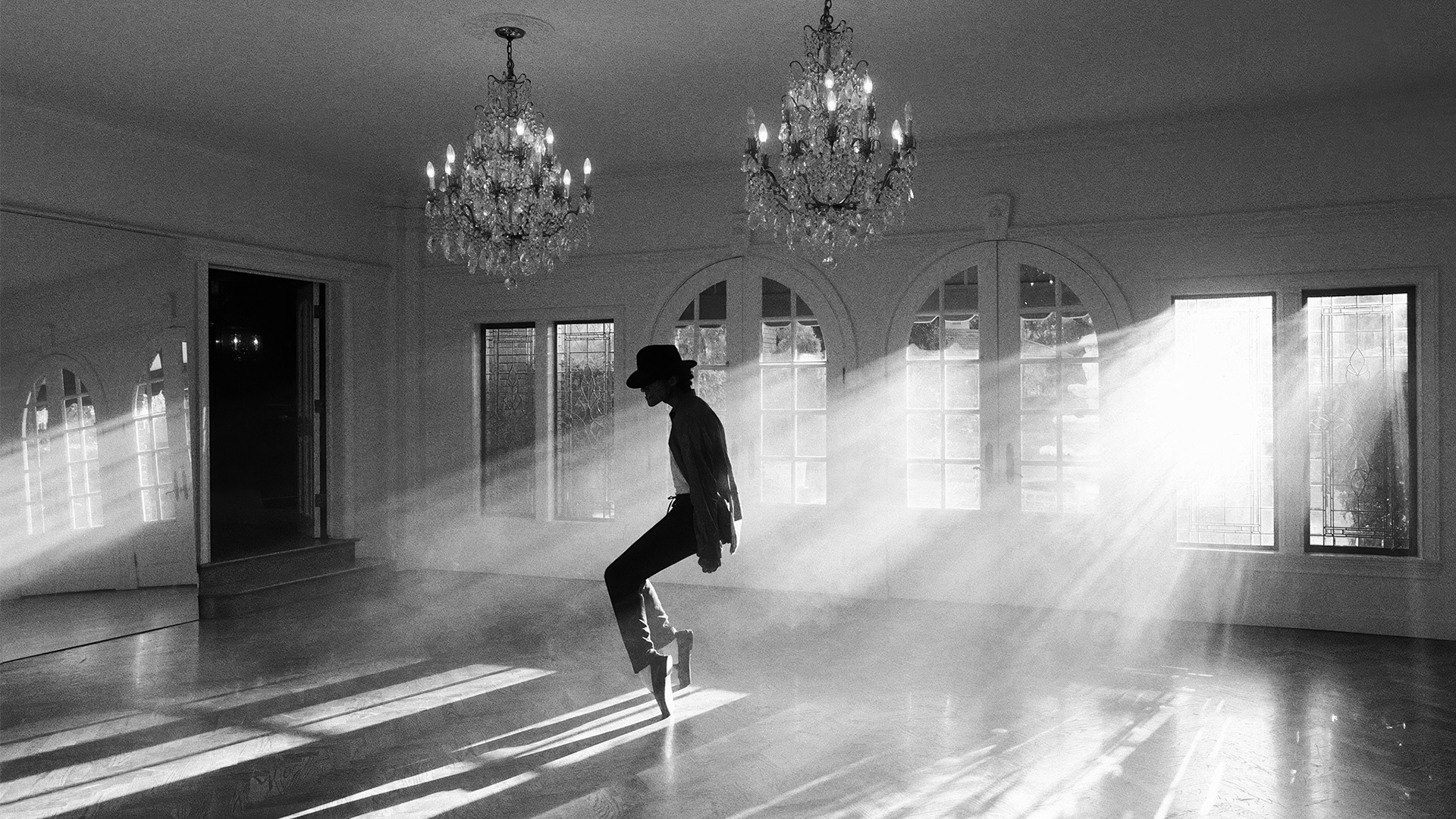
In June 2026, the Michael Jackson biopic Michael officially crossed $900 million at the global box office. This is the definitive answer to a question Hollywood has debated for nearly a decade. The Antoine Fuqua-directed film, starring Jackson’s real-life nephew Jaafar Jackson, did not just survive the theatrical gauntlet. It dominated it.
The numbers represent more than just ticket sales. They represent a cultural verdict. For years, media analysts and cultural critics questioned whether the legacy of the King of Pop could withstand the weight of his controversies. The 2019 release of the HBO documentary Leaving Neverland was widely predicted to be the final nail in the coffin of Jackson’s public viability. Pundits declared his catalog toxic. Broadcasters quietly removed his tracks from their rotations. The narrative was set.
But the story does not end there. What looks like a sudden Hollywood triumph actually began years ago in the boardrooms of the Michael Jackson Estate. The $900 million box office haul of Michael is the culmination of a meticulously executed strategy to separate the artist’s unparalleled musical genius from the allegations that clouded his final years. The global audience, it turns out, had already made up its mind.
The Architecture of a Blockbuster
Building a movie about the most famous man on earth requires a specific kind of architectural precision. Producer Graham King understood this. King had already navigated the complicated waters of musical legacy with the 2018 Freddie Mercury biopic Bohemian Rhapsody. That film grossed $910 million worldwide and won four Academy Awards. King applied the exact same playbook to Michael.
He secured the rights. He brought in Academy Award-nominated screenwriter John Logan. He hired Antoine Fuqua, a director known for gritty, grounded realism, to anchor the spectacle in human emotion. The production was a joint venture. Lionsgate took the domestic distribution rights in the United States. Universal Pictures handled the international rollout. This split mitigated the financial risk while maximizing the global marketing muscle.
The casting was the most critical variable. Standard Hollywood casting would have invited immediate backlash. Instead, the production cast Jaafar Jackson. The physical resemblance was undeniable. The vocal cadence was eerily accurate. But more importantly, casting a family member bypassed the traditional friction of an actor attempting to mimic an icon. It lent the project an immediate air of authenticity. It signaled to the core fanbase that this was an authorized, internal family narrative.
The Marketing Machine
Lionsgate and Universal did not shy away from the scale of the subject. The marketing campaign leaned heavily into the iconography. The white glove. The fedora. The sequined jacket. The trailers utilized isolated vocal tracks from Jackson’s original master recordings, reminding audiences of the sheer vocal power that made him a global phenomenon in the 1980s.
The release strategy was equally deliberate. The studio positioned the film as a global event, securing premium large format and IMAX screens. They understood that a Michael Jackson movie could not just be watched. It had to be experienced as a concert substitute. For millions of younger fans who never saw Jackson perform live before his death on June 25, 2009, this film was the closest they would ever get.
The Accountability Question
The success of Michael forces a reexamination of celebrity accountability in the modern era. The content bucket of public opinion is deeply fragmented. On social media platforms and in editorial columns, the debate over Jackson’s morality remains fierce. Director Dan Reed, who helmed Leaving Neverland, was highly critical of the biopic’s production, arguing that it would inevitably sanitize the singer’s life and ignore the allegations made by Wade Robson and James Safechuck.
This tension was the central narrative leading up to the film’s release. Would audiences boycott the film? Would protests disrupt screenings? The $900 million gross provides a stark, empirical answer. The general public draws a hard line between the art and the artist, especially when the art is woven into the fabric of global pop culture.
“The box office does not measure morality. It measures demand. And the demand for Michael Jackson’s music has never actually waned.”
The Estate of Michael Jackson, co-managed by John Branca and John McClain, has long understood this dynamic. Since Jackson’s death, the estate has aggressively protected and monetized his intellectual property. They launched successful Cirque du Soleil shows. They released posthumous albums. They facilitated the Broadway musical MJ: The Musical, which became a massive commercial hit despite facing the exact same critical scrutiny as the film.
The estate’s involvement in the film was total. They provided access to the music. They controlled the narrative boundaries. Critics argued this made the film a heavily sanitized piece of propaganda. Audiences, however, did not seem to care. They paid for the spectacle, the choreography, and the soundtrack.
The International Firewall
To understand the $900 million figure, one must look outside the United States. While the domestic box office for Michael was strong, the international numbers were staggering. Universal Pictures oversaw a rollout that capitalized on Jackson’s historical strength in foreign markets.
In the 1980s and 1990s, Jackson was not just an American pop star. He was a global diplomat of entertainment. He toured extensively in Asia, Eastern Europe, and Latin America. He broke cultural barriers in regions where Western music was historically restricted. That groundwork paid off decades later.
- Asian Markets: Japan and South Korea posted massive opening weekend numbers. Jackson’s influence on modern K-Pop and J-Pop is widely acknowledged by current international stars, creating a generational bridge.
- European Markets: The United Kingdom, France, and Germany saw sustained theatrical runs. The nostalgic appeal of the Thriller and Bad eras drove older demographics to the theaters in record numbers.
- Latin America: Brazil and Mexico generated intense fan-driven marketing campaigns, pushing the film’s regional grosses past traditional superhero blockbusters.
In many of these international markets, the controversies that dominate American media cycles are either ignored or viewed with deep skepticism. The cultural conversation is entirely different. Abroad, Jackson is viewed almost exclusively as a tragic musical genius. Universal Pictures leaned into this, marketing the film purely as a celebration of the greatest entertainer who ever lived.
The Soundtrack Economics
The film’s theatrical success triggered a secondary financial boom. The music catalog experienced a massive resurgence on streaming platforms like Spotify and Apple Music. Catalog streams for tracks like Billie Jean, Beat It, and Man in the Mirror spiked by triple digits during the film’s opening month.
This synergy is the ultimate goal of the modern music biopic. The movie acts as a two-hour advertisement for the catalog. For Sony Music, which owns a significant stake in Jackson’s publishing and master recordings, the film’s success is a massive return on investment. The $900 million box office is just the visible tip of the revenue iceberg. The underlying catalog valuation surges concurrently.
The Legacy of the Numbers
As Michael approaches the one billion dollar mark, it rewrites the rules of posthumous legacy management. It proves that a sufficiently large cultural footprint can withstand almost any level of negative press. The sheer gravity of Jackson’s musical output bends the cultural narrative around it.
Hollywood studios are watching this closely. The success of Michael will undoubtedly greenlight a new wave of biopics focused on complicated, controversial figures. If the music is good enough, and the production value is high enough, the audience will show up. The precedent has now been set in stone, backed by nearly a billion dollars in verifiable ticket sales.
The story of Michael Jackson was always going to end in a theater. It was always going to end with a crowd. The noise of the internet fades against the hard data of global commerce. The people spoke through the box office. They chose the music. They chose the spectacle.
Critics published their essays. Documentarians presented their cases. Broadcasters debated the morality. The public bought a ticket. The King of Pop played on.