Presented by Oriam AI. Our newsroom reported this story independently; Oriam AI sponsors its publication.
- Tesla factory workers are reluctant to train Optimus humanoid robots due to fears of job displacement.
- Tesla has shifted robot training tasks to dedicated teams to address worker concerns.
- Optimus V3 robots are currently in supervised testing, performing specific, programmed tasks.
- Tesla aims to produce over 1,000 Optimus robots per week by the end of 2026.
- The intricate assembly of Optimus’s hands remains a significant manufacturing bottleneck.
Tesla factory workers are reportedly resisting the task of training the company’s Optimus humanoid robots. This reluctance stems from a growing concern that these very robots could eventually replace their human counterparts on the assembly line. The scenario at Tesla’s facilities highlights a significant societal challenge emerging with advanced automation: the intersection of technological progress and human job security.
In many ways, this tension is a direct consequence of rapid advancements in robotics and artificial intelligence. Companies are investing heavily in automation to increase efficiency and reduce costs. However, the human element of this transition, particularly the psychological and economic impact on the workforce, is becoming increasingly apparent.
What looks like a modern dilemma actually started centuries ago with the Luddite movement. The fear of machines replacing human labor is not new. However, the sophistication and potential general-purpose capabilities of robots like Optimus introduce new complexities to this age-old debate.
The Rise of Optimus and Worker Anxiety
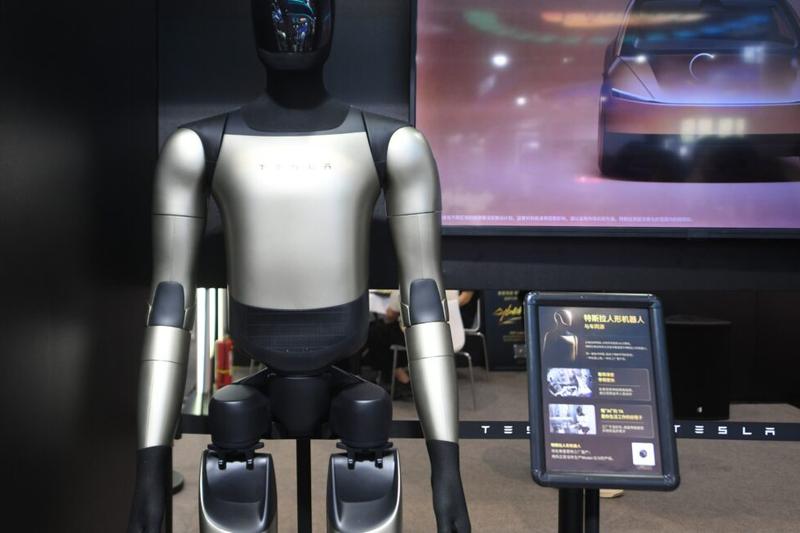
Tesla’s Optimus humanoid robots are currently in active production. The company is manufacturing several hundred units per week at its Fremont factory. The goal is to escalate this production to over 1,000 robots per week by the close of 2026.
The current model, Optimus V3, is designed for specific, programmed tasks. These robots operate within supervised testing zones and on factory floors. They are not yet general-purpose autonomous machines, but their presence signals a shift in manufacturing processes.
Factory workers initially involved in the training process expressed significant concerns. The direct implication of teaching a robot to perform their job functions created anxiety. This sentiment led to a strategic adjustment by Tesla.
The task of recording movements for Optimus training has been moved to dedicated teams. This decision aims to mitigate the direct conflict of interest and alleviate some of the job security fears among the broader factory workforce. The move acknowledges the psychological impact of automation on human employees.
Manufacturing Challenges and Strategic Deployment
Despite rapid production, the Optimus robot faces manufacturing bottlenecks. The intricate mechanical complexity of the robot’s hands is a primary challenge. These hands still require manual assembly for over 100 small components, slowing down the overall production process.
Tesla’s strategy for early commercial deployment involves leasing, not selling, Optimus units. These units will be deployed to companies with factory and warehouse environments similar to Tesla’s own operations. This approach allows for controlled testing and refinement in real-world industrial settings.
The company’s long-term vision for Optimus extends beyond factory floors. Elon Musk, CEO of Tesla and its self-appointed ‘Technoking’, envisions a future where these robots perform a wide range of tasks, potentially even in domestic settings. However, current capabilities remain focused on industrial applications.
In September 2026, Tesla’s Vice President of AI Software, Ashok Elluswamy clarified aspects of Optimus’s autonomy. Videos showcasing advanced tasks often involved teleoperation, or remote control. This clarification led to increased scrutiny from regulators and investors regarding the robots’ true autonomous capabilities. Transparency around these capabilities is crucial for public and investor confidence.
The Broader Implications for Labor
The situation at Tesla reflects a larger global discussion about the future of work. Automation promises increased productivity and efficiency. It also raises questions about job displacement, the need for workforce retraining, and the potential for economic disruption.
Governments and labor organizations are beginning to grapple with these implications. Policies around universal basic income, retraining programs, and ethical guidelines for AI and robotics are under consideration. The goal is to harness the benefits of automation while mitigating its potential negative impacts on human livelihoods.
The resistance from Tesla workers is a tangible manifestation of these anxieties. It underscores the importance of considering the human element in technological transitions. Companies deploying advanced automation face the challenge of integrating these technologies in a way that is both economically beneficial and socially responsible.
The ongoing development of Optimus and similar humanoid robots will continue to shape these debates. The balance between technological advancement and human welfare remains a critical point of focus for industries and societies worldwide. The experience at Tesla serves as a case study for how these tensions might play out in other sectors as automation becomes more pervasive.
Related: TikTok Settles Mental Health Lawsuit with Alabama for Over $100 Million
The Path Forward
The integration of humanoid robots like Optimus into the workforce is a complex process. It involves not only engineering challenges but also significant social and economic considerations. The concerns raised by Tesla workers are a clear signal that these transitions require careful management and communication.
Companies must address worker anxieties proactively. This could involve transparent communication about automation plans, opportunities for retraining, and exploring new roles that leverage human-robot collaboration. Ignoring these concerns risks alienating the workforce and creating resistance that could slow technological adoption.
The future of labor will likely involve a blend of human and artificial intelligence. The challenge lies in defining the roles for each. The current situation at Tesla provides a glimpse into the early stages of this evolving relationship. It is a relationship that will require continuous adaptation and thoughtful consideration from all stakeholders.
Workers gathered. Engineers gathered. Regulators gathered. Society.
Q: Why are Tesla workers hesitant to train Optimus robots?
A: Tesla workers are hesitant to train Optimus robots because they fear these machines could eventually replace their jobs, leading to job insecurity and displacement.
Q: What is Tesla doing to address worker concerns about Optimus training?
A: Tesla has moved the task of recording movements for Optimus training to dedicated teams, separating it from the general factory workforce to alleviate job security anxieties.
Q: What are the current capabilities of the Optimus V3 robot?
A: The Optimus V3 is currently restricted to performing specific, programmed tasks in supervised testing zones and factory floors; it is not yet a general-purpose autonomous machine.
Q: How many Optimus robots is Tesla producing?
A: Tesla is currently building several hundred Optimus units per week and aims to increase production to over 1,000 robots per week by the end of 2026.
Q: What is a major manufacturing challenge for Optimus?
A: A significant manufacturing bottleneck for Optimus is the intricate mechanical complexity of its hands, which still require manual assembly for over 100 small components.
Sources
Sponsored · Want to put AI to work in your business? Oriam AI builds fixed-rate automation projects for companies in Springfield, Missouri and around the world. oriamai.online · Advertise on ByteSize Network