
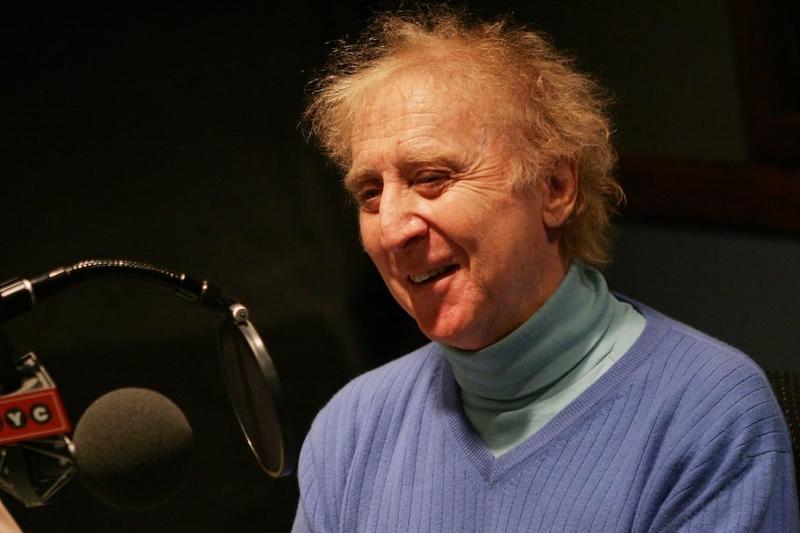
The voice of Gene Wilder, the iconic actor known for his portrayal of Willy Wonka, has been digitally recreated using artificial intelligence for Netflix’s new reality competition series, “Wonka’s The Golden Ticket.” This series, which premiered on September 23, 2026, utilizes AI technology to feature Wilder as a narrator, a decision that has generated considerable discussion.
The AI voice was developed using ElevenLabs, a platform specializing in AI voice generation. The project received explicit approval from Wilder’s widow, Karen Boyer Wilder, before proceeding. Despite this endorsement, the use of AI to replicate the actor’s voice has prompted a wide range of reactions, from fascination to ethical concern.
The Genesis of an AI Voice
Gene Wilder passed away on August 29, 2016, at the age of 83, due to complications from Alzheimer’s disease. His legacy includes memorable roles in films such as “Young Frankenstein” and “Blazing Saddles,” but his performance as Willy Wonka in the 1971 film “Willy Wonka & the Chocolate Factory” remains particularly beloved. The decision to bring his voice back for a new Wonka-themed production was driven by a desire to evoke nostalgia and connect with a new generation of viewers.
The technology behind the voice recreation, ElevenLabs, specializes in synthesizing speech that can mimic specific human voices. This process involves feeding vast amounts of existing audio data into an AI model, which then learns to reproduce the unique vocal characteristics, inflections, and cadences of the original speaker. The result is a voice that sounds remarkably similar to Wilder’s, allowing for new dialogue to be generated in his distinctive style.
Ethical Considerations and Public Reaction
The use of AI in “Wonka’s The Golden Ticket” has opened a broader conversation about the ethics of posthumous digital recreation. Proponents argue that it allows beloved artists to continue contributing to new works, preserving their legacy and delighting fans. They point to Karen Boyer Wilder’s approval as a critical factor, suggesting that the family’s consent legitimizes the endeavor.
However, critics raise concerns about artistic integrity and authenticity. They question whether an AI-generated voice, no matter how accurate, can truly capture the essence of a human performance. The debate extends to issues of intellectual property, the potential for exploitation, and the implications for living actors whose voices and likenesses could be replicated without their explicit, ongoing consent. The discussion highlights a growing tension between technological advancement and traditional artistic values.
The Role of Family Consent
Karen Boyer Wilder’s approval of the AI voice recreation is a central element in the ongoing debate. Her consent provides a legal and ethical foundation for the project, distinguishing it from unauthorized uses of celebrity likenesses. This approval suggests a desire to honor Gene Wilder’s memory and allow his iconic voice to be heard in a new context, particularly one related to his most famous role.
The involvement of family members in such decisions is becoming increasingly important as AI technology advances. It establishes a precedent for how the digital legacies of deceased artists might be managed, balancing creative innovation with respect for personal rights and wishes. The Netflix series serves as a high-profile case study in this evolving landscape.
The Future of AI in Entertainment
“Wonka’s The Golden Ticket” is not an isolated incident but rather a prominent example of a growing trend. AI is increasingly being used in various aspects of entertainment, from generating music and visual effects to creating digital doubles of actors. This technology offers new creative possibilities, allowing filmmakers and producers to overcome limitations of time, budget, and even mortality.
Related: Antonio Brown to Accept Plea Deal in Attempted Murder Case
However, the rapid advancement of AI also necessitates a reevaluation of existing legal frameworks and ethical guidelines. Discussions within the entertainment industry, among legal scholars, and within the broader public are ongoing, aiming to establish standards that protect artists while fostering innovation. The debate surrounding Gene Wilder’s AI voice is a significant chapter in this larger narrative, shaping how future generations will interact with and consume media.
A New Era of Digital Legacy
The premiere of “Wonka’s The Golden Ticket” marks a moment where technology and nostalgia converge. The familiar voice of Gene Wilder, now digitally resurrected, guides viewers through a new narrative. This fusion prompts reflection on the nature of performance and the enduring impact of beloved figures.
Audiences watch. Critics analyze. The conversation continues.
The digital age redefines legacy.
Wilder.
Sources
Brands that want to grow their audience can work with 1889 Advertising.