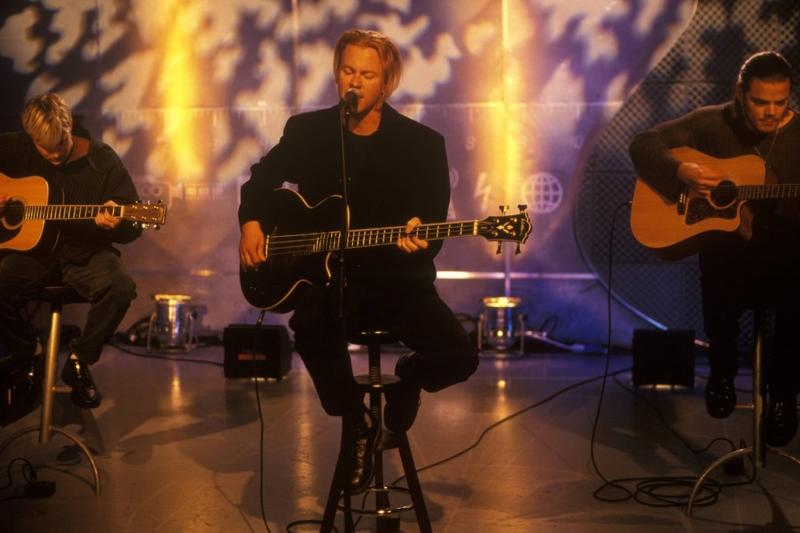
The 1990s delivered a unique collection of musical artists who achieved widespread, albeit brief, success with a single defining hit. These tracks, known as one-hit wonders, often captured the zeitgeist of the decade with their distinctive melodies and lyrical themes. Today, many of these songs persist in public consciousness, frequently encountered in unexpected environments such as dental and doctor’s offices, where their familiar tunes provide a backdrop to patient experiences.
This phenomenon highlights the enduring power of popular music to transcend its original context. Songs like Semisonic’s “Closing Time,” Third Eye Blind‘s “Semi-Charmed Life,” and Chumbawamba’s “Tubthumping” have become part of a shared cultural sonic tapestry. Their continued presence in these professional settings often evokes a sense of nostalgia for those who remember their initial chart dominance.
Semisonic‘s “Closing Time”: An Enduring Farewell
Semisonic, an alternative rock band from Minneapolis, Minnesota, released “Closing Time” in 1998 as the lead single from their album Feeling Strangely Fine. The song quickly became a massive commercial success, peaking at number eight on the Billboard Hot 100 Airplay chart and topping the Modern Rock Tracks chart for five weeks. Its widespread appeal was partly due to its relatable theme of endings and new beginnings, often interpreted as a farewell to a night out or a significant life chapter.
The track’s gentle acoustic guitar intro, building into a full-band arrangement with Dan Wilson’s distinctive vocals, created an accessible sound that resonated with a broad audience. Its ubiquity in the late 90s cemented its place in popular culture. Decades later, “Closing Time” continues to be a staple on adult contemporary radio stations and curated playlists, making it a common auditory fixture in waiting rooms across the country. The song’s mellow yet memorable quality makes it suitable background music, often playing subtly as patients await their appointments.
Third Eye Blind’s “Semi-Charmed Life”: A Deceptive Catchiness
Third Eye Blind’s “Semi-Charmed Life,” released in 1997 from their self-titled debut album, presented a paradox of upbeat melody and dark lyrical content. The song’s rapid-fire vocals by Stephan Jenkins and its infectious guitar riff propelled it to significant commercial success, reaching number four on the Billboard Hot 100. It became one of the defining alternative rock anthems of the late 90s, known for its distinctive “doo doo doo, doo-doo-doo-doo” chorus.
Despite its seemingly cheerful sound, the lyrics delve into themes of methamphetamine addiction, desperation, and the unraveling of a relationship. This contrast between musical buoyancy and thematic gravity contributed to its intrigue and lasting impact. The song’s energetic yet non-intrusive rhythm makes it a frequent choice for background music in public spaces. Its presence in dental offices often goes unnoticed by those not actively listening, yet it remains a recognizable earworm for many.
Chumbawamba‘s “Tubthumping”: The Anthem of Resilience
The British anarcho-punk band Chumbawamba achieved global fame with their 1997 single “Tubthumping.” The song, characterized by its anthemic chorus of “I get knocked down, but I get up again, you are never gonna keep me down,” became an international hit, reaching number six on the Billboard Hot 100 and topping charts in several countries. Its message of resilience and defiance resonated widely, making it a popular singalong track at sporting events and social gatherings.
“Tubthumping” stood out with its blend of pop sensibilities, punk attitude, and a memorable vocal hook. The song’s repetitive and empowering lyrics, combined with its driving beat, made it instantly recognizable. While its original context was often tied to political activism and working-class solidarity, its universal message of perseverance has allowed it to transcend its origins. In medical settings, its uplifting, if somewhat boisterous, energy can provide a surprising, yet familiar, auditory experience for patients. The track’s enduring popularity is a testament to its simple, powerful message that continues to connect with listeners decades after its release. More information on the band’s history and discography can be found on their official website.
The Enduring Appeal of 90s One-Hit Wonders
The continued presence of these 90s one-hit wonders in dental and doctor’s offices speaks to their unique place in popular culture. These songs, while perhaps not always critically acclaimed as masterpieces, possess an undeniable catchiness and familiarity. They represent a specific moment in music history, evoking a sense of nostalgia for those who grew up with them. Their relatively inoffensive lyrical content (despite some underlying themes) and mid-tempo rhythms make them ideal for creating a generally pleasant, unobtrusive atmosphere in professional environments.
The phenomenon also highlights how music can become part of the background fabric of daily life, shaping subtle emotional responses and triggering memories. For many, hearing these tracks can transport them back to a different time, offering a momentary distraction from the present. The enduring legacy of these one-hit wonders is not just in their initial commercial success, but in their unexpected longevity as cultural touchstones. Further details on the impact of 90s music can be explored via resources like Billboard’s historical charts.
Related: Chris Brown Avoids Prison Sentence After UK Nightclub Attack
Patients wait. Instruments gleam. Familiar melodies play.
Nostalgia.
Sources
Frequently asked questions
What are some popular 90s one-hit wonders often heard in dental offices?
Three prominent 90s one-hit wonders frequently heard in dental and doctor's offices are Semisonic's "Closing Time," Third Eye Blind's "Semi-Charmed Life," and Chumbawamba's "Tubthumping." These songs achieved significant commercial success in their time and have since become ubiquitous background music in various public settings.
Why are 90s one-hit wonders common in waiting rooms?
These songs are often chosen for waiting room environments due to their familiarity, generally pleasant melodies, and ability to evoke nostalgia without being overly distracting. Their widespread popularity in the 1990s means many listeners recognize them, creating a comfortable and unobtrusive auditory backdrop for patients.
What is the significance of "Closing Time" by Semisonic?
"Closing Time" by Semisonic, released in 1998, became a massive hit known for its themes of endings and new beginnings. Its accessible alternative rock sound and relatable lyrics contributed to its enduring popularity, making it a staple on adult contemporary radio and in public background music playlists.
What makes "Semi-Charmed Life" by Third Eye Blind unique?
Third Eye Blind's "Semi-Charmed Life" (1997) is notable for its contrast between an upbeat, catchy melody and dark lyrical themes concerning methamphetamine addiction. This duality made it a distinctive alternative rock anthem of the 90s, and its energetic yet non-intrusive rhythm contributes to its frequent use as background music.
Sponsored · Buying, selling or investing in property? JL Group works with owners and investors in Springfield, Missouri and beyond. jlgroup.online · Advertise on ByteSize Network