
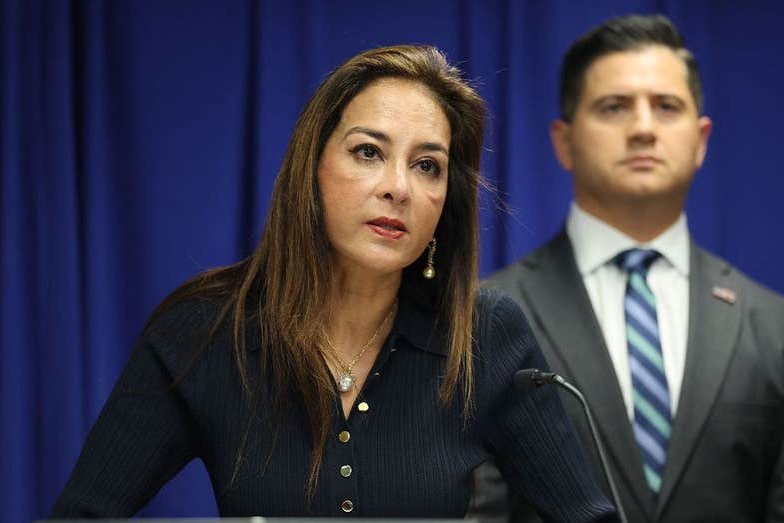
The Department of Justice (DOJ) initiated legal action against Kansas City, Kansas Public Schools (KCKPS) on September 1, 2026. The lawsuit centers on allegations that KCKPS maintains policies enabling students to pursue gender transitions within the school environment without informing or securing consent from their parents. This legal challenge underscores a significant national discussion concerning the role of parents in their children’s education and the boundaries of school district policies.
Attorney General Todd Blanche, sworn into office on August 10, 2026, authorized the filing. The suit claims KCKPS policies violate the Family Educational Rights and Privacy Act (FERPA) and the Protection of Pupil Rights Amendment (PPRA). These federal statutes protect student privacy and parental rights regarding educational records and certain school activities.
The Core Allegations Against KCKPS
The DOJ’s lawsuit specifically targets KCKPS policies that allegedly permit school staff to facilitate a student’s social gender transition. This includes using different names and pronouns, and accessing facilities consistent with a new gender identity, all without parental notification. The Department of Justice argues these actions circumvent parental authority and rights.
Assistant Attorney General Harmeet K. Dhillon, leading the Justice Department’s Civil Rights Division, emphasized the importance of parental involvement. Dhillon stated that schools have a responsibility to be transparent with parents about significant decisions affecting their children’s well-being. The lawsuit seeks to compel KCKPS to revise its policies to ensure parental consent is obtained.
Federal Laws at the Center of the Dispute
The Family Educational Rights and Privacy Act (FERPA) grants parents certain rights over their children’s education records. These rights transfer to the student when he or she reaches 18 years of age or attends a postsecondary institution. The DOJ contends that KCKPS policies infringe upon these parental rights by withholding information deemed crucial to a child’s educational and personal development.
The Protection of Pupil Rights Amendment (PPRA) provides parents with rights regarding the conduct of surveys, analyses, or evaluations that ask students about certain sensitive topics. It also concerns the collection of personal information from students for marketing purposes. The lawsuit suggests KCKPS policies may implicitly violate PPRA by creating an environment where sensitive personal information about a student’s gender identity is managed without parental oversight.
The Broader Context of Parental Rights in Education
This lawsuit is not an isolated incident. It reflects a growing national tension between school districts and parents over curriculum content, student privacy, and parental authority. Across the United States, debates are intensifying regarding school policies on gender identity, sexual education, and other sensitive topics.
U.S. Attorney for the District of Kansas, Ryan A. Kriegshauser, is overseeing the federal government’s legal efforts in Kansas. Kriegshauser’s office will manage the litigation against KCKPS. The outcome of this case could establish significant precedents for other school districts grappling with similar policy challenges.
The Role of the Department of Education
While the Department of Justice is prosecuting the lawsuit, the U.S. Department of Education, led by Secretary Linda McMahon, plays a critical role in setting federal educational guidelines. The Department of Education provides guidance on FERPA and PPRA compliance. Its interpretations often influence how school districts nationwide develop and implement their policies.
The lawsuit’s resolution could lead to updated guidance from the Department of Education. Such updates would clarify expectations for school districts regarding parental notification and consent in matters of student gender identity. This could impact educational practices across all 50 states.
Potential Impacts and Future Implications
The legal proceedings against KCKPS are expected to be closely watched by educational institutions, parent advocacy groups, and civil rights organizations. A ruling in favor of the DOJ could force KCKPS and potentially other districts to significantly alter their policies. This would ensure greater parental involvement in decisions related to a student’s gender transition at school.
Conversely, a ruling against the DOJ could affirm the autonomy of school districts to establish policies they deem best for student welfare. The case highlights the complex legal and ethical considerations involved when school policies intersect with deeply held parental beliefs and federal privacy laws. The legal battle will likely shape future discussions on student rights, parental rights, and the responsibilities of public education systems.
The National Conversation
The lawsuit against Kansas City, Kansas Public Schools adds a significant chapter to the ongoing national conversation. Parental rights advocates continue to press for greater transparency and involvement in school decisions. Educational administrators often cite student privacy and safety as justifications for their policies.
This legal action by the Department of Justice represents a direct challenge to the current practices of KCKPS. It seeks to reassert federal oversight regarding parental access to information about their children’s school experiences. The outcome will resonate far beyond Kansas, influencing policy debates and legal strategies nationwide.
Parents gathered. Advocates gathered. Attorneys gathered. Kansas.
Powered by Phyllis Ann Data, Enterprise Data as a Service. Premium insights for businesses.