
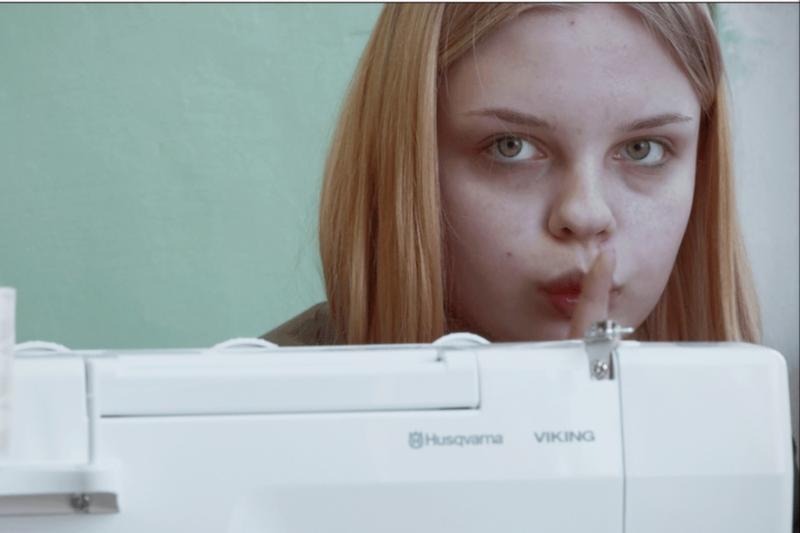
The film “Good Girls,” directed by Ania Winiarska, offers a direct look into a correctional center for teenage girls in Łódź, Poland. This documentary explores the experiences of young women living under strict conservative rules, designed to transform them into “good citizens.” The narrative focuses on the psychological impact of such an environment, suggesting that it can cause further damage to those within its system.
Winiarska’s work aims to shed light on the often-overlooked realities of juvenile detention, particularly in contexts where ideological frameworks heavily influence rehabilitation methods. The film is set to be released on October 25, 2026, bringing this critical examination to a wider audience.
The Setting: Łódź Correctional Center
The correctional center featured in “Good Girls” is located in Łódź, Poland. This institution houses teenage girls, subjecting them to a regimen of strict discipline and conservative teachings. The stated goal is to instill values and behaviors deemed appropriate for “good citizens.”
The daily routines and interactions within the center form the core of Winiarska’s documentary. It documents how these young women navigate a system that, while ostensibly rehabilitative, often exacerbates their existing challenges. The film captures the tension between institutional control and individual agency.
Director Ania Winiarska’s Vision
Ania Winiarska, the director of “Good Girls,” brings a specific perspective to the subject matter. Her previous works have often explored social issues and the human condition within challenging environments. With “Good Girls,” Winiarska delves into the complexities of youth, punishment, and societal expectations.
Her approach emphasizes observation and the voices of the girls themselves, providing an unvarnished view of their experiences. Winiarska’s direction aims to foster empathy and critical reflection on the efficacy and ethics of such correctional systems. More information about the film and its production can be found on Variety’s exclusive coverage.
The Impact of Strict Regimes
The film’s central theme revolves around the damaging effects of overly strict and conservative rules within a correctional setting. The director suggests that rather than fostering genuine rehabilitation, such environments can deepen existing traumas or create new ones.
Teenage girls, often already vulnerable, face immense pressure to conform. The film explores how this pressure manifests in their daily lives, their interactions with staff, and their relationships with peers. It questions whether the methods employed truly serve the best interests of the young residents.
Distinguishing “Good Girls” from Other Productions
It is important to note that Ania Winiarska’s “Good Girls” is distinct from other similarly titled productions. The American crime comedy-drama series “Good Girls,” created by Jenna Bans, concluded in 2021 and focused on suburban mothers involved in criminal activities. That series is unrelated to Winiarska’s documentary.
Another film, “The Good Girls” (Las niñas bien), directed by Alejandra Márquez Abella and released in 2018, explored class and social dynamics in 1980s Mexico. This Mexican production also bears no relation to the Polish documentary. Winiarska’s film stands as a unique exploration of a specific social issue within a particular cultural context.
Related: Gabrielle Union’s Miami Appearance: A Look at Celebrity Public Image
The Release and Reception
“Good Girls” is scheduled for release on October 25, 2026. The film is anticipated to spark discussions about juvenile justice, rehabilitation practices, and the psychological well-being of young people in detention. Early reviews and critical reception will likely focus on its observational style and the sensitive portrayal of its subjects.
The documentary contributes to a broader conversation about human rights within carceral systems and the efficacy of punitive versus rehabilitative approaches. Its release marks a significant moment for documentary filmmaking addressing social justice issues. Further details on the film’s distribution and screenings can be found through film industry news outlets.
A Glimpse into a Hidden World
The film provides a rare glimpse into a world often hidden from public view. It challenges viewers to consider the long-term consequences of institutionalization on young lives. The experiences of the girls in Łódź serve as a microcosm for broader issues within correctional systems globally.
Winiarska’s documentary aims to humanize those within these systems, prompting a reevaluation of how society treats its most vulnerable youth. It is a call for greater understanding and potentially, for reform.
Rules imposed. Lives shaped. Futures altered.
Łódź.
Sponsored · Put your business in front of ByteSize Network's readers, with every click measured. See advertising packages · Advertise on ByteSize Network