
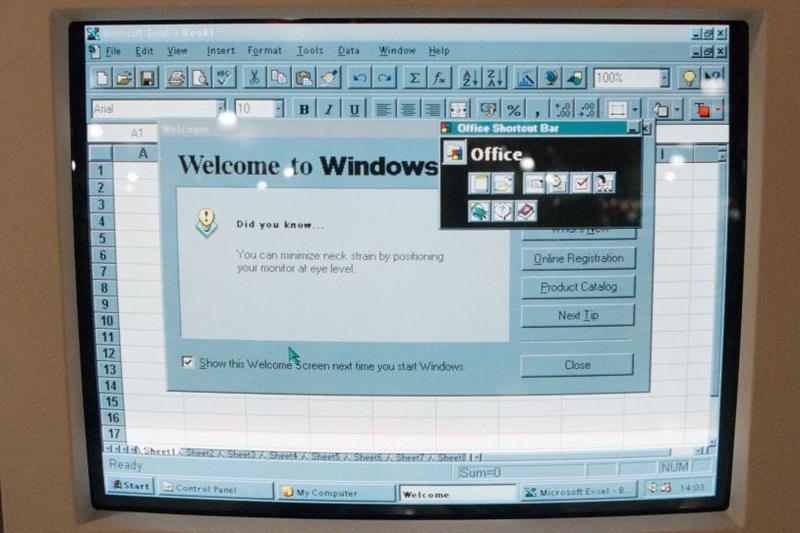
The meticulous reconstruction of a 1996-era computer recently led to an unexpected discovery. A YouTuber, operating under the moniker TrashBench, embarked on a project to revive vintage computing hardware. This endeavor culminated in the uncovering of decades-old digital secrets on a second-hand hard drive.
The project was driven by a desire to escape the complexities of modern PC gaming. TrashBench aimed to recreate a simpler, more nostalgic computing experience, reminiscent of their own childhood interactions with technology.
The Anatomy of a Vintage Build
The rebuilt machine is a testament to 1990s computing power. It features a 200MHz Pentium processor, a common specification for high-end personal computers of that era. This component was central to the performance of many applications and games.
Memory capacity was also period-accurate, with the system boasting 32MB of RAM. This amount was considered substantial for running Windows 95 and contemporary software. The inclusion of a Sound Blaster 16 sound card further enhanced the authenticity, providing the iconic audio experience of the mid-90s.
Sourcing these components required significant effort. TrashBench scoured online marketplaces and thrift stores, piecing together the system bit by bit. This process highlighted the challenge and reward of vintage tech restoration.
Unearthing Digital Artifacts
The most significant discovery occurred during the integration of a second-hand hard drive. This drive, intended for the project, contained residual data from its previous owner. Instead of immediately wiping the drive, TrashBench explored its contents.
Among the files were science homework assignments dating back to 2001. These documents offered a glimpse into the academic life of a student from two decades prior. The presence of such personal data underscored the digital footprints left behind on discarded hardware.
Further exploration revealed a collection of cheats for the popular 1994 video game, Doom 2. This find resonated with the nostalgic aspect of the project, connecting the builder to the gaming culture of the 1990s. The discovery was documented and shared, highlighting the unexpected treasures found in vintage tech.
A Commitment to Authenticity
Despite the intriguing contents of the old hard drive, TrashBench opted for a purist approach to the computer’s setup. The decision was made to install Windows 95 on a separate, clean hard drive. This ensured the system maintained its period accuracy and functionality.
The goal was to create a fully operational 1990s gaming rig. This setup allowed for the authentic experience of playing classic games without modern interference. The project served as a functional time capsule, preserving a specific moment in computing history.
This dedication to authenticity extended beyond just the operating system. Every component was chosen to reflect the technology available in 1996. The result is a machine that not only functions but also accurately represents the computing landscape of its time. More details on vintage computer restoration can be found on specialized forums and communities dedicated to retro computing.
The Allure of Retro Computing
The motivation behind such projects often stems from a deep-seated nostalgia. Modern computing, with its constant updates and complex ecosystems, can sometimes overshadow the simpler joys of earlier systems. Rebuilding a vintage PC offers a tangible connection to a past era.
For many, the 1990s represent a golden age of personal computing. The rise of the internet, the proliferation of home PCs, and the explosion of video games defined a generation. Projects like TrashBench’s tap into this collective memory.
Related: Bubba Wallace Addresses COVID Vaccine Paint Scheme Criticism at Talladega
The process of sourcing parts, troubleshooting old hardware, and configuring vintage software is a unique challenge. It requires patience and a specific set of technical skills. The reward is a working piece of history, capable of running software as it was originally intended. The broader appeal of retro technology continues to grow, as evidenced by communities like the Vintage Computer Federation.
From Frustration to Fulfillment
TrashBench’s journey began with frustration over contemporary PC gaming. The constant demands for upgrades, the complexities of modern game launchers, and the ever-evolving software landscape can deter some enthusiasts. This led to a search for a more straightforward gaming experience.
The solution was found in the past. By recreating a 1996-era machine, the YouTuber bypassed many of the issues associated with modern gaming. This allowed for a focus on the games themselves, free from the distractions of current technological trends.
The project ultimately delivered on its promise of recreating a childhood computing experience. The discovery of the old files added an unexpected layer of personal history to the technical endeavor. It transformed a hardware project into a narrative of digital archaeology.
A Digital Time Capsule
The rebuilt computer stands as more than just a functional machine. It is a digital time capsule, preserving a moment in technological and personal history. The old homework and game cheats are remnants of a bygone era, now brought back into the light.
This project highlights the enduring appeal of vintage technology. It demonstrates how old hardware can still hold stories and provide unique insights into the past. The act of rebuilding and discovering becomes a form of historical preservation.
The machine runs. The games play. The past is present.
Sources
Sponsored · Put your business in front of ByteSize Network's readers, with every click measured. See advertising packages · Advertise on ByteSize Network