
Presented by 1889 Advertising. Our newsroom reported this story independently; 1889 Advertising sponsors its publication.
Subtropical Storm Josephine is moving north from the U.S. Northeast coast as of Thursday, October 22, 2026, bringing coastal flooding and gale-force winds to the Eastern Seaboard. The storm has maximum sustained winds of 65 mph (100 kph) and is centered south of Nantucket, Massachusetts. The National Hurricane Center forecasts Josephine to continue moving away from the United States, remaining south of Nova Scotia and Newfoundland.
The National Weather Service has issued a gale warning for parts of the Northeast and mid-Atlantic through Friday morning, October 23, 2026. Minor to moderate coastal flooding is expected to continue through the week on the mid-Atlantic coast. This weather event follows a season that has seen significant storm activity, as reported by the Independent.
Official Statements and Verified Reaction
The National Hurricane Center (NHC) continues to monitor Josephine’s trajectory, emphasizing its projected path away from the U.S. mainland. Their advisories indicate that while the storm poses immediate coastal threats, it is not expected to make landfall in the United States. The National Weather Service (NWS) has urged residents in affected coastal areas to remain vigilant regarding potential flooding and strong winds. These warnings are crucial for public safety and preparedness along the Eastern Seaboard.
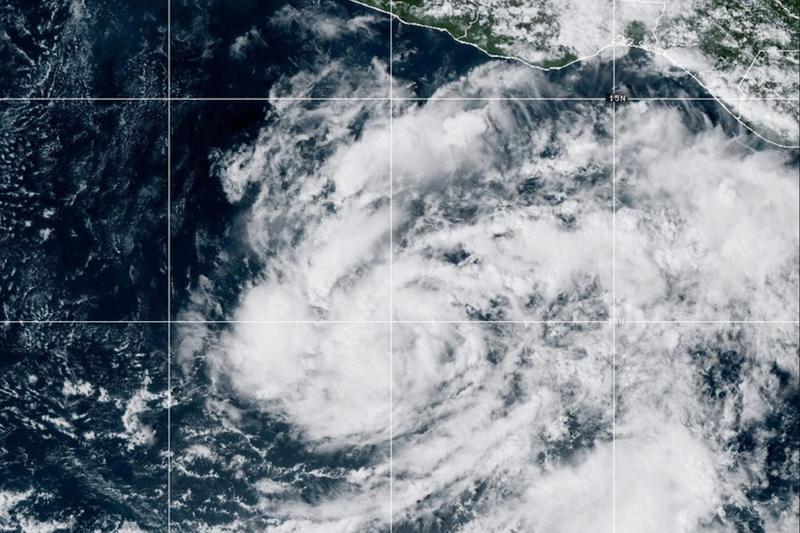
In the Pacific, Tropical Storm Vance is located off Mexico’s southwestern coast and is forecast to intensify into a hurricane on Thursday, October 22, 2026, and a major hurricane by Saturday, October 24, 2026. This development highlights the ongoing global hurricane activity during the current season. Authorities are closely tracking Vance’s progression and potential impacts on maritime and coastal interests in that region.
Auto-Enriched Background Context
The 2026 Atlantic hurricane season has been active, with 10 named storms recorded as of October 21, 2026. This includes one major hurricane, Isaias, which impacted various regions earlier in the season. Josephine is the tenth named storm of the 2026 Atlantic hurricane season. Despite this activity, the National Oceanic and Atmospheric Administration (NOAA) had predicted a below-normal season for the Atlantic due to strengthening El Niño conditions. El Niño typically leads to increased wind shear in the Atlantic, which can suppress hurricane formation and intensification. However, localized atmospheric and oceanic conditions can still lead to significant storm development, as seen with Josephine and Isaias.
Hurricane seasons are dynamic, with various factors influencing storm frequency and intensity. The formation of Subtropical Storm Josephine and the anticipated intensification of Tropical Storm Vance show the unpredictable nature of these weather phenomena. Coastal communities, particularly those along the Eastern Seaboard, frequently prepare for such events. For instance, past events have led to evacuations and significant infrastructure challenges, as detailed in reports concerning State Department orders for personnel departure during similar threats.
The impact of tropical and subtropical storms extends beyond immediate wind and rain. Coastal flooding, storm surge, and erosion are significant concerns that can have long-term effects on infrastructure and ecosystems. Preparedness measures, including evacuation plans and emergency services, are critical for mitigating potential damage and ensuring public safety. The ongoing monitoring by agencies like the National Hurricane Center and the National Weather Service provides vital information for these efforts. Further information on hurricane preparedness and forecasts can be found on the National Hurricane Center’s official website.
“The National Weather Service continues to advise caution for all coastal residents in affected areas. Stay informed through official channels and follow local emergency directives.” – National Weather Service advisory, October 22, 2026.
The 2026 hurricane season continues to evolve, with both Atlantic and Pacific basins experiencing significant activity. Understanding the historical context of hurricane patterns and the current meteorological forecasts is essential for residents and authorities alike. The interplay of global climate phenomena, such as El Niño, with regional weather systems creates a complex environment for storm prediction and response.
Frequently asked questions
What is the current status of Subtropical Storm Josephine?
As of Thursday, October 22, 2026, Subtropical Storm Josephine is moving north from the U.S. Northeast coast, bringing coastal flooding and gale-force winds to the Eastern Seaboard. It has maximum sustained winds of 65 mph (100 kph) and is centered south of Nantucket, Massachusetts.
Where is Tropical Storm Vance located and what is its forecast?
Tropical Storm Vance is located off Mexico's southwestern coast. It is forecast to intensify into a hurricane on Thursday, October 22, 2026, and a major hurricane by Saturday, October 24, 2026.
What warnings have been issued for the U.S. Atlantic coast?
The National Weather Service has issued a gale warning for parts of the Northeast and mid-Atlantic through Friday morning, October 23, 2026. Minor to moderate coastal flooding is expected to continue through the week on the mid-Atlantic coast.
How many named storms have occurred in the 2026 Atlantic hurricane season?
The 2026 Atlantic hurricane season has seen 10 named storms, with one major hurricane (Isaias), as of October 21, 2026.
Sponsored · Put your business in front of ByteSize Network's readers, with every click measured. See advertising packages · Advertise on ByteSize Network