
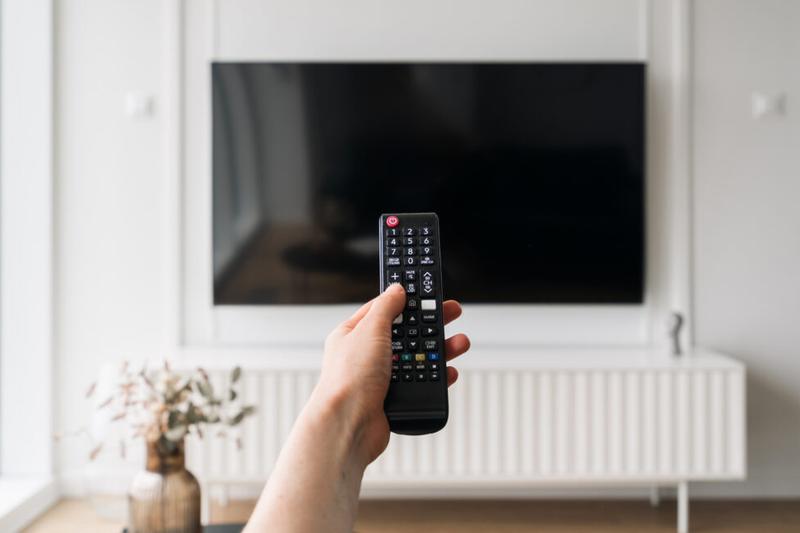
Smart televisions are designed to enhance the viewing experience with integrated apps and internet connectivity. These devices frequently employ Automatic Content Recognition (ACR) technology. ACR collects data on what users watch, even when content originates from external devices like gaming consoles or Blu-ray players.
This data collection fuels a significant revenue stream for manufacturers. Companies sell viewing habits to advertisers and data brokers. This practice contributes to the lower retail prices of smart TVs, effectively subsidizing the hardware through user data.
The Opt-Out Dilemma
Users are typically offered options to opt out of ACR and other data collection features. These settings are usually found within the TV’s privacy menus. The expectation is that disabling these functions will halt the transmission of viewing data.
Research generally supports the effectiveness of these opt-out mechanisms. Studies indicate that when ACR is disabled, the associated data traffic from the smart TV largely ceases. This suggests that the primary data collection pathways are indeed shut down.
Persistent Concerns and “Suspicious” Traffic
Despite the apparent functionality of opt-out settings, concerns persist regarding transparency. Users often lack clear information about the full scope of data collection. The exact nature of the data gathered and its ultimate use remain opaque.
Recent investigations have highlighted instances of “suspicious” traffic emanating from smart TVs even after opt-out. This activity raises questions about whether all data collection is truly halted or if other, less obvious forms of monitoring continue. The definition of “suspicious” traffic often refers to network communications that are not clearly tied to essential device functions or user-initiated actions.
“Research indicates that when users opt out of ACR, the associated data traffic generally stops. Despite opt-out options, concerns remain about the transparency of data collection and how manufacturers inform users about these practices.”
Manufacturer Responses and User Control
Major smart TV manufacturers have addressed these privacy concerns. LG, for example, has faced scrutiny over its data collection practices. The company maintains that features like ACR and voice recognition are optional. They are also disabled by default on their devices, requiring user consent to activate.
Users retain the ability to manage their privacy settings. Accessing the smart TV’s menu allows for the adjustment of various options. Disabling ACR and other data-sharing features is a primary step in limiting tracking. Regular review of these settings is recommended, as software updates can sometimes alter default configurations.
Related: Super El Niño Threatens Coffee Prices, A Global Economic Ripple
The Broader Implications of Data Monetization
The business model behind smart TVs relies heavily on data monetization. The sale of viewing data to third parties is a core component of this strategy. This economic incentive creates a continuous push for more comprehensive data collection.
This model benefits consumers through lower hardware costs. However, it places the burden of privacy protection squarely on the user. Understanding the trade-offs between device affordability and personal data privacy becomes crucial for smart TV owners. The ongoing debate centers on achieving a balance that respects both consumer privacy and industry innovation. Consumer Reports provides detailed guides on adjusting these settings for various brands.
Future of Smart TV Privacy
The landscape of smart TV privacy is continually evolving. Regulatory bodies and consumer advocacy groups are pushing for greater transparency. Clearer consent mechanisms and more robust opt-out options are key demands.
Technological advancements may also offer new solutions. Enhanced encryption and on-device processing could reduce the need for transmitting raw viewing data. The industry faces pressure to innovate in ways that prioritize user privacy without sacrificing functionality or affordability. The conversation around smart TV data collection will likely intensify as these devices become even more integrated into daily life. The Federal Trade Commission (FTC) offers resources on consumer privacy in the digital age.
Sources
Sponsored · Want AI without handing over client files? Oriam AI installs private, on-premise AI for CPA firms, law firms, and insurance and title agencies. oriamai.online · Advertise on ByteSize Network