A homeowners association in Conroe, Texas, has found itself embroiled in a legal dispute with one of its residents over a bee colony. The conflict escalated following an incident where a board member was stung, leading to the closure of a community park and the initiation of legal proceedings by both parties.
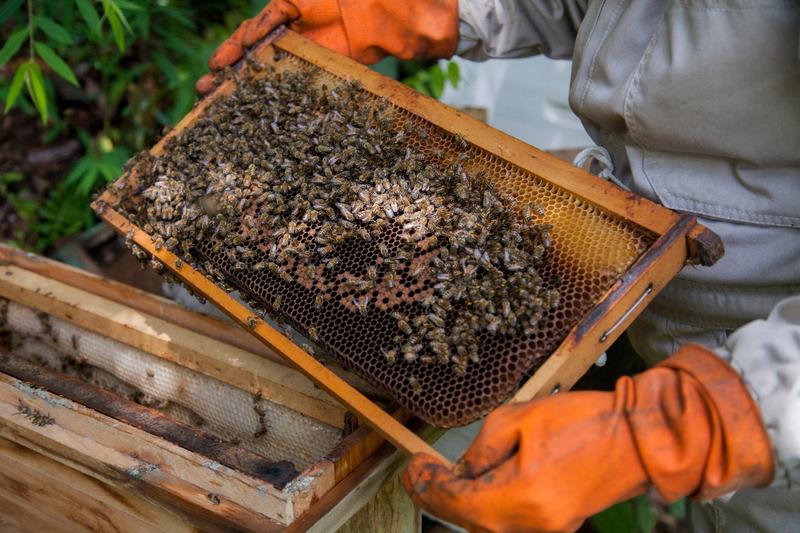
The central figure in this dispute is Tyra Swanson, a retired Army veteran and beekeeper residing in Lake Forest Falls. Swanson maintains several bee colonies on her property, which she asserts are a beneficial and environmentally conscious endeavor. However, the Lake Forest Falls Homeowners Association (HOA) views the bees as a safety hazard, particularly after a board member reported being stung.
In response to the reported stings and ongoing complaints, the HOA took the step of closing Spillway Park, a neighborhood recreational area. The association cited safety concerns for residents as the primary reason for the park’s closure, attributing the perceived danger to the proximity of Swanson’s bee colonies.
The Genesis of the Bee Dispute
The friction between Swanson and the HOA did not emerge overnight. For an unspecified period, discussions and disagreements regarding the presence of the bee colonies on Swanson’s property have been ongoing. These discussions often centered on the interpretation of community deed restrictions and the potential impact of beekeeping on neighboring residents.
Beekeeping, while growing in popularity for its environmental benefits and honey production, can sometimes conflict with residential zoning laws or HOA covenants. Such disputes often hinge on whether bees are considered livestock, pets, or an agricultural activity within a residential zone. The Lake Forest Falls case exemplifies these complex interpretations.
The specific incident involving the stung board member served as a catalyst, pushing the long-simmering disagreement into a full-blown legal confrontation. This event intensified the HOA’s stance, leading to more decisive actions against the bee colonies.
Park Closure and Community Impact
The decision by the Lake Forest Falls HOA to close Spillway Park has had a direct impact on the community. Parks often serve as central gathering places for families and children, and their closure can disrupt neighborhood life and recreational activities. The HOA’s justification for the closure was rooted in the belief that the bees posed an unacceptable risk to public safety within the park area.
This action by the HOA underscores the seriousness with which they view the bee situation. It also highlights the broader implications of such disputes, as they can affect not just the immediate parties involved but also the wider community that relies on shared amenities. The closure of a public space due to a private property dispute raises questions about community welfare and the extent of HOA authority.
Residents of Lake Forest Falls have expressed varied opinions on the matter, with some supporting the HOA’s safety measures and others siding with Swanson’s right to maintain her bee colonies. This division within the community further complicates efforts to resolve the conflict amicably.
Legal Battles Commence
The dispute has now moved into the legal arena, with both Tyra Swanson and the Lake Forest Falls HOA filing lawsuits against each other. Swanson initiated legal action seeking a declaratory judgment. This type of judgment asks a court to determine the legal rights and obligations of parties involved in a controversy, specifically whether her beekeeping activities violate the existing deed restrictions of the community.
The HOA, in turn, has also filed a lawsuit, likely seeking an injunction to compel Swanson to remove her bee colonies or to cease her beekeeping operations within the community. These dueling lawsuits indicate a significant escalation, suggesting that neither party has been able to reach a satisfactory resolution through negotiation or mediation.
Legal proceedings of this nature can be lengthy and costly, involving detailed interpretations of property law, HOA covenants, and potentially expert testimony regarding beekeeping practices and bee behavior. The outcome of these lawsuits could set a precedent for similar disputes in other communities facing questions about urban or suburban beekeeping.
The Broader Context of HOA Disputes
This incident in Conroe is not isolated. Homeowners associations across the United States frequently engage in disputes with residents over a wide range of issues, from landscaping choices to pet policies. These conflicts often highlight the tension between individual property rights and the collective rules designed to maintain community standards and property values.
HOAs derive their authority from governing documents, such as Covenants, Conditions, and Restrictions (CC&Rs), which all homeowners agree to abide by upon purchasing property within the association’s jurisdiction. However, the interpretation and enforcement of these rules can lead to significant disagreements, sometimes resulting in legal battles.
The rise of interest in sustainable living, including practices like beekeeping and backyard gardening, has introduced new challenges for HOAs. Many existing regulations were not drafted with these modern practices in mind, leading to ambiguity and conflict. As more homeowners adopt such practices, HOAs may need to re-evaluate and update their guidelines to accommodate evolving community interests while still addressing legitimate concerns about safety and property aesthetics. For more information on HOA disputes, resources like the Community Associations Institute provide insights into common issues and resolutions.
Beekeeping in Residential Areas
Beekeeping in residential areas has gained traction due to increased awareness of pollinator decline and the desire for local honey. Many cities and counties have begun to update their ordinances to permit beekeeping, often with specific regulations regarding hive placement, density, and management practices to ensure public safety and neighbor harmony. For example, the Texas Beekeepers Association offers resources and guidance for beekeepers across the state.
Related: Maryland Lab Owner Convicted in $18.7 Million Pandemic Medicare Fraud Scheme
However, the legality and acceptance of beekeeping can vary significantly from one jurisdiction to another, and even within different HOAs in the same city. This variability often leaves beekeepers like Tyra Swanson in a precarious position, navigating a patchwork of rules and regulations.
The Conroe case underscores the need for clear, well-defined policies regarding beekeeping in residential communities. Without such clarity, disputes are likely to continue, pitting individual passions against community concerns.
The Path Forward
As the legal proceedings unfold, the future of Tyra Swanson’s bee colonies and the status of Spillway Park remain uncertain. The court’s decision will likely have significant implications for both parties, potentially establishing a precedent for how similar disputes are handled in Lake Forest Falls and beyond.
The resolution of this conflict will require careful consideration of property rights, community safety, and the environmental benefits of beekeeping. It is a microcosm of the broader challenges faced by communities as they adapt to changing lifestyles and environmental consciousness.
Lawsuits filed. Park closed. Community divided. Conroe.
Sources
Frequently asked questions
What is the core issue in the Conroe HOA dispute?
The core issue is a conflict between the Lake Forest Falls HOA and homeowner Tyra Swanson over her bee colonies. The HOA claims the bees are a safety hazard after a board member was stung, while Swanson asserts her right to keep bees and seeks a legal determination on whether her colonies violate deed restrictions.
Why did the Lake Forest Falls HOA close Spillway Park?
The Lake Forest Falls HOA closed Spillway Park due to safety concerns. They claim that nearby bees from Tyra Swanson's property have stung people and pose a risk to residents using the park, leading to its closure as a precautionary measure.
Who is Tyra Swanson?
Tyra Swanson is a retired Army veteran and a beekeeper residing in Lake Forest Falls, Conroe, Texas. She is currently involved in a legal dispute with her homeowners association regarding her bee colonies.
What kind of legal action has been taken in this dispute?
Both Tyra Swanson and the Lake Forest Falls HOA have filed lawsuits against each other. Swanson is seeking a declaratory judgment to determine if her bees violate community deed restrictions, while the HOA has likely filed a suit to compel the removal of the bee colonies.
Sponsored · Put your business in front of ByteSize Network's readers, with every click measured. See advertising packages · Advertise on ByteSize Network