Science Corporation has implanted its PRIMA vision-restoration chip into its first patient with Stargardt disease. The procedure took place during an ongoing clinical trial at Sydney Eye Hospital in Australia. This marks a critical step forward for neural engineering and retinal prosthesis technology. For patients suffering from this debilitating genetic disorder, the intervention offers a new path toward recovering functional central vision.
Stargardt disease is a genetic eye disorder that causes the progressive loss of central vision. This deterioration happens because of the gradual death and dysfunction of photoreceptors in the retina. Patients retain their peripheral vision, but lose the ability to read, recognize faces, or see fine details. Traditional medical treatments have historically offered few options for halting this specific form of degeneration. Companies like Science Corporation are stepping into that therapeutic gap with advanced hardware.
How the PRIMA System Operates
The technological architecture behind the trial relies on an intricate interplay between microelectronics and optics. The PRIMA system consists of a subretinal photovoltaic chip paired with specialized, custom-designed glasses. These glasses project patterned near-infrared light and power directly onto the microscopic implant beneath the retina. The chip converts those optical patterns into electrical signals that stimulate the surviving inner retinal neurons. Those signals travel along the optic nerve to the brain, which interprets them as visual perception.
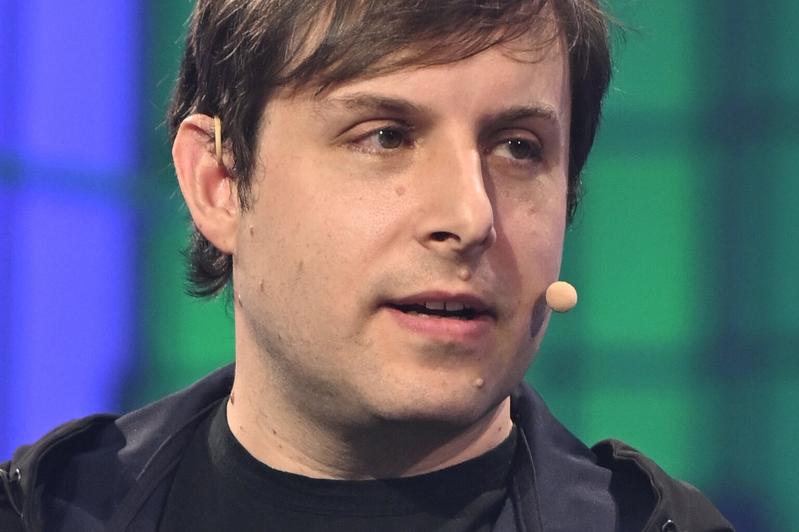
Max Hodak serves as the CEO and co-founder of Science Corporation. Under his leadership, the organization has focused on translational neurotechnology that can be deployed safely in human clinical environments. The company acquired the PRIMA technology platform through its acquisition of Pixium Vision assets, integrating proven French retinal implant engineering with Silicon Valley execution capability. Medical teams at institutions like the University of Sydney are working closely with the surgical staff to monitor the long-term integration and safety profile of the implant.
The Clinical Path Forward
Clinical trials for neural prosthetics demand rigorous oversight and extended follow-up periods. The initial implantation at Sydney Eye Hospital serves as the vanguard for a broader trial evaluating both safety and efficacy across multiple international sites. Researchers are measuring how effectively patients adapt to the electronic visual input provided by the subretinal array. Adjusting to artificial vision requires significant neurological retraining, as the brain learns to process pattern-based light stimulation rather than natural biological input from rods and cones.
Regulatory pathways for breakthrough medical devices require extensive data collection before commercial availability can be considered. Science Corporation plans to use the data gathered from the Sydney trial to refine both the hardware algorithms and the external glasses hardware. Ophthalmology specialists around the world are watching the results closely to determine whether subretinal photovoltaic implants can become a standard therapeutic option for inherited retinal degenerations.
Surgeons operated. Engineers monitored. Patients waited.
Sydney.
Related: Apple Introduces HomeView Smart Home Display – Pricing, Specs, and Release Date
Sources
Frequently asked questions
What is Stargardt disease?
Stargardt disease is a genetic eye disorder that causes the progressive loss of central vision due to the degeneration of photoreceptors in the retina.
What is the PRIMA system?
The PRIMA system is a vision-restoration device consisting of a subretinal photovoltaic microchip paired with specialized glasses that project near-infrared light and power onto the implant.
Where was the first Stargardt patient implanted by Science Corporation?
The first patient with Stargardt disease received the PRIMA implant during a clinical trial at Sydney Eye Hospital in Australia.
Who is the CEO of Science Corporation?
Max Hodak serves as the CEO and co-founder of Science Corporation.
Sponsored · Plain-English guides on AI and client-data rules for CPA firms, law firms, and insurance and title agencies. institute.oriamai.online · Advertise on ByteSize Network