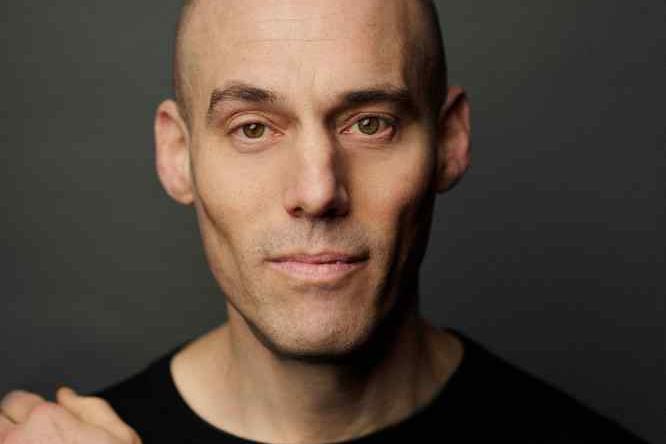
A New Chapter for Oppenheimer’s Vision
Director Joshua Oppenheimer has spent decades investigating systemic violence and memory in monumental works like The Act of Killing. In his 2026 short documentary The Revolution Against Death, the focus shifts entirely from historical trauma to the ultimate biological frontier. The film explores a tight-knit community dedicated to radical life extension and cryonics. Clocking in at approximately 23 to 24 minutes, the international co-production between the United States, Denmark, and Sweden investigates how individuals attempt to bypass biological mortality altogether.
The acquisition was announced by New York Times Op-Docs, solidifying the streaming home for a project that challenges conventional boundaries of documentary filmmaking. Alexandra Garcia serves as the Executive Producer for New York Times Op-Docs, shepherding the short into the prominent digital distribution catalog. By centering on individuals who refuse to accept aging as an immutable biological inevitability, the film frames cryonics not as science fiction, but as an active, urgent human pursuit.
Inside the Pursuit of Cryonics
The documentary steps inside laboratories and living spaces where the preservation of human tissue at ultra-low temperatures is treated as a viable bridge to a future medical renaissance. Oppenheimer captures the quiet conviction of his subjects without relying on sensationalism or ironic detachment. Every interview reveals an intense psychological landscape defined by a refusal to accept finality. The subjects prepare for legal and biological suspension with meticulous, almost bureaucratic devotion.
Critics note that the film’s brevity amplifies its unsettling resonance. Rather than constructing a sprawling investigative feature, Oppenheimer compresses the existential stakes into a tight narrative window. The viewer is left to confront the philosophical weight of freezing biological matter in the hopes of a future resurrection. It is an exploration of faith, capital, and medical technology operating in a strange, high-stakes intersection.
Distribution and Cultural Impact
Securing distribution through a major editorial platform ensures that an avant-garde short film reaches a vast, globally dispersed audience. New York Times Op-Docs has built a reputation for championing formally daring, politically complex non-fiction shorts. Bringing this specific narrative into the platform’s stable places it alongside Academy Award contenders and journalistic exposés. The collaboration highlights how digital-first op-doc platforms now rival traditional festival circuits in terms of cultural visibility.
As audiences increasingly consume documentary shorts via digital streaming spaces, the boundaries separating experimental cinema from journalistic commentary continue to blur. Oppenheimer’s latest work stands as both a profound character study and a snapshot of speculative science entering the mainstream consciousness. Communities organize. Laboratories freeze. Cameras observe.
Immortality.
Related: Greta Gerwig’s ‘Narnia: The Magician’s Nephew’ Trailer Arrives
Frequently asked questions
What is The Revolution Against Death about?
The 23-minute short documentary directed by Joshua Oppenheimer explores a community pursuing radical life extension and cryonics in an effort to bypass biological mortality.
Who acquired The Revolution Against Death?
The film was acquired by New York Times Op-Docs, with Alexandra Garcia serving as Executive Producer.
Which countries produced the film?
The Revolution Against Death is an international co-production involving the United States, Denmark, and Sweden.
Sponsored · Put your business in front of ByteSize Network's readers, with every click measured. See advertising packages · Advertise on ByteSize Network