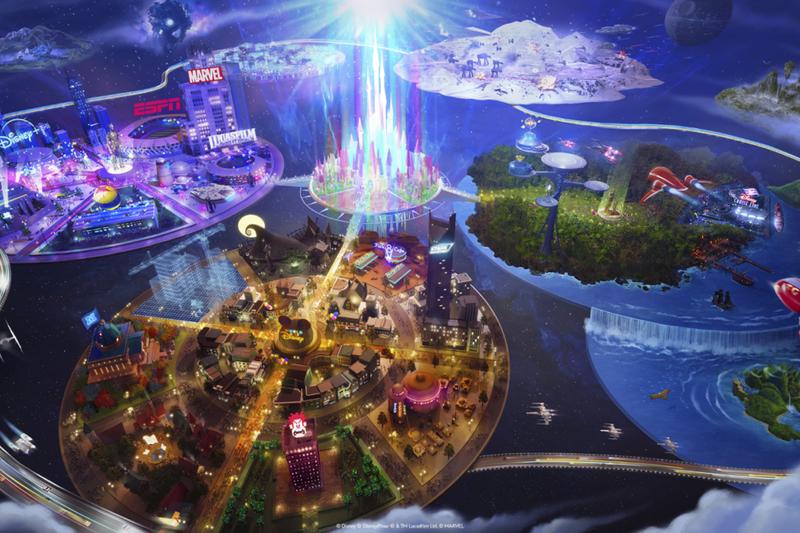
Epic Games Embraces AI for Disney Collaboration
Epic Games is reportedly adopting an “AI-first” development model for its unannounced Marvel and Star Wars-themed shooter. This strategic shift involves integrating artificial intelligence tools into core development processes. The move signals a significant change in how the company approaches game creation, particularly for high-profile projects.
Developers working on the project have received directives to utilize AI tools for generating both code and art assets. Human roles are reportedly transitioning towards supervision and refinement, rather than primary creation. This redefinition of roles suggests a future where AI handles initial content generation, with human expertise guiding and perfecting the output.
Internal communications reportedly indicate a mandate for “no more hand-written code.” Additionally, all art assets are expected to be “generated with full AI workflows.” These directives highlight a comprehensive integration of AI across the development pipeline, aiming to streamline production and potentially accelerate content creation.
The Marvel and Star Wars shooter, initially projected for a March 2027 release, has faced an indefinite delay. This postponement is attributed to the internal shift towards AI-first development and slower-than-expected progress. The transition to new methodologies often introduces unforeseen challenges and adjustments to timelines.
The Role of AI in Game Development
The reported pivot by Epic Games underscores a growing trend in the technology sector: the increasing reliance on AI for creative and technical tasks. Companies like Anthropic, with its Claude AI, are providing tools that can generate complex code and intricate visual assets. This capability allows development teams to explore new efficiencies and creative avenues.
Tim Sweeney, CEO and Founder of Epic Games since 1991, has consistently championed technological innovation within the gaming industry. This latest strategic direction aligns with a broader industry movement towards leveraging advanced computing for content generation. The goal is often to reduce development cycles and enhance the scope of projects.
The integration of AI into game development raises questions about the future of traditional creative roles. While human developers will still be essential for vision, oversight, and quality control, the nature of their day-to-day tasks may evolve significantly. This shift could lead to new specializations focused on AI prompting, model training, and output curation.
Industry Implications and Future Outlook
Epic Games’ communications director, Jake Jones, addressed the company’s stance on this evolution. Jones stated that Epic is “embracing AI-accelerated development, led by Epic developers who are the visionaries and creative drivers for everything we do.” This statement emphasizes that human creativity remains central, even with AI augmentation.
The reported changes at Epic Games are not isolated incidents. Across various industries, companies are experimenting with AI to automate and enhance production. The gaming sector, with its high demand for diverse content and complex systems, is a natural fit for such technological advancements. For more details on the broader implications of AI in creative fields, The Verge has covered the ethical considerations.
Related: When AI Leads: The Evolving Role of Human Leadership in an Automated Era
The success of Epic’s AI-first approach on the Disney collaboration will likely influence other major studios. If the model proves efficient and capable of producing high-quality content, it could set a new standard for large-scale game development. Conversely, significant delays or quality issues could temper enthusiasm for rapid AI adoption.
The indefinite delay of the Marvel and Star Wars shooter highlights the complexities of integrating nascent technologies into established workflows. While AI promises speed and efficiency, the initial transition period often involves learning curves and unforeseen technical hurdles. The long-term impact on release schedules and game quality remains to be seen.
The Evolving Landscape of Creation
The gaming industry stands at a crossroads. The traditional methods of hand-crafting every asset and line of code are being challenged by powerful AI systems. These systems offer the potential for unprecedented scale and speed in content generation. The collaboration between Epic Games and Disney, with its iconic franchises, serves as a high-stakes test case for this new paradigm.
As AI tools become more sophisticated, the definition of “developer” and “artist” in the gaming world will continue to evolve. The focus may shift from direct creation to guiding and curating AI-generated content. This transformation requires new skill sets and a flexible approach to creative processes.
The outcome of Epic Games’ AI-first strategy will provide valuable insights into the viability and challenges of AI-driven development. It will inform discussions about efficiency, creativity, and the future workforce in the entertainment sector. The industry watches as this new chapter unfolds.
Sources
Sponsored · Plain-English guides on AI and client-data rules for CPA firms, law firms, and insurance and title agencies. institute.oriamai.online · Advertise on ByteSize Network