Presented by Oriam AI. Our newsroom reported this story independently; Oriam AI sponsors its publication.
Amazon‘s Robotic Ascent and the Shifting Workforce
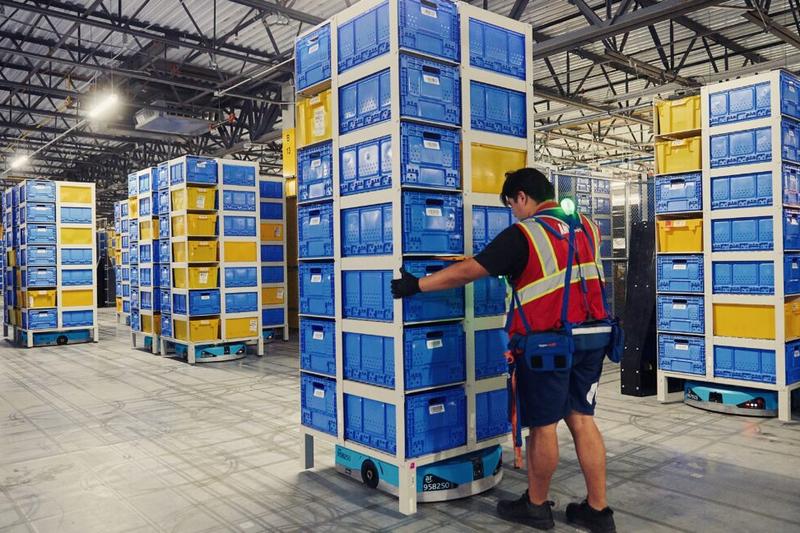
Amazon’s operational strategy increasingly relies on advanced robotics. The company has deployed over 750,000 robots across its global fulfillment centers. This number approaches its human workforce, which stands at approximately 1.52 million people worldwide. The integration of these automated systems signifies a profound shift in how goods are processed and delivered.
This technological advancement raises questions about the future of human employment within the e-commerce giant. Internal strategy documents from Amazon indicate plans for substantial automation. These plans could potentially replace over half a million jobs with robots in the coming years. The scale of this transformation suggests a re-evaluation of traditional labor models.
Upskilling Initiatives and Emerging Job Categories
Amazon has proactively addressed the impact of automation on its human employees. Since 2019, over 700,000 workers have received training in advanced technologies. This upskilling aims to prepare them for roles that involve working collaboratively with robots. The focus is on adapting the workforce to new operational demands.
While some existing roles may face displacement, new job categories are simultaneously emerging. These include positions in AI development, robot maintenance, and data analysis. The shift indicates a demand for specialized skills that complement automated systems rather than compete directly with them. This evolution of roles is a critical component of the future labor market.
The Broader Economic Impact of Automation
The implications of Amazon’s automation strategy extend beyond its own operations. The World Economic Forum projects significant global job shifts due to AI and automation. Estimates suggest that 92 million jobs could be displaced by 2030. However, the same projections anticipate the emergence of 170 million new jobs. This would result in a net growth of 78 million jobs globally. This data suggests a complex interplay of job loss and creation on a macro scale.
Amazon’s CEO, Andy Jassy, has acknowledged that the company’s expansion of AI will lead to a leaner corporate workforce. This statement underscores the broad impact of AI, affecting not only warehouse operations but also administrative and managerial functions. The company’s trajectory reflects a wider industry trend towards increased automation and efficiency.
The Human-Robot Collaboration Model
The current phase of automation at Amazon often involves human-robot collaboration. Robots handle repetitive or physically demanding tasks, allowing human workers to focus on more complex problem-solving, quality control, and customer service. This model aims to optimize efficiency while leveraging human cognitive abilities. The balance between human and machine labor is continuously evolving within these environments.
The development of more sophisticated AI and robotic systems continues. The nature of this collaboration will likely change further. Future roles may require even greater adaptability and continuous learning from the human workforce. The integration of these technologies is not static but a dynamic process of innovation and adjustment.
Challenges and Opportunities in the Automated Future
The rapid pace of automation presents both challenges and opportunities for the global workforce. Job displacement remains a concern for many, necessitating robust retraining and educational programs. Governments and educational institutions face the task of preparing individuals for the jobs of tomorrow.
Conversely, the rise of automation can lead to increased productivity, economic growth, and the creation of entirely new industries. The demand for skilled workers in areas like robotics engineering, AI ethics, and cybersecurity is expected to grow significantly. The future of work will likely be characterized by continuous learning and a flexible approach to career development. This ongoing transformation is detailed in analyses of the future of work, such as those from the World Economic Forum.
Related: Missouri’s Data Security Act: How Oriam AI Helps Agencies with Vendor Reliance
The Unfolding Landscape
Robots operate. Algorithms optimize. Humans adapt.
The future.
Sources
Frequently asked questions
How many robots does Amazon currently use?
Amazon has deployed over 750,000 robots in its fulfillment centers globally. This number is rapidly approaching the size of its human workforce, which stands at approximately 1.52 million people worldwide.
Will Amazon's automation lead to job losses?
Amazon's internal strategy documents indicate plans to automate a significant portion of its operations, potentially replacing over half a million jobs with robots in the coming years. However, Amazon is also upskilling employees, and new job categories are emerging.
What new jobs are emerging due to automation at Amazon?
New job categories are emerging in areas such as AI development, robot maintenance, and data analysis. Amazon has trained over 700,000 workers since 2019 to prepare them for roles working alongside robots.
What is the global outlook for jobs due to AI and automation?
The World Economic Forum estimates that while 92 million jobs could be displaced by 2030 due to AI and automation, 170 million new jobs are expected to emerge globally, resulting in a net growth of 78 million jobs.
Sponsored · Want AI without handing over client files? Oriam AI installs private, on-premise AI for CPA firms, law firms, and insurance and title agencies. oriamai.online · Advertise on ByteSize Network