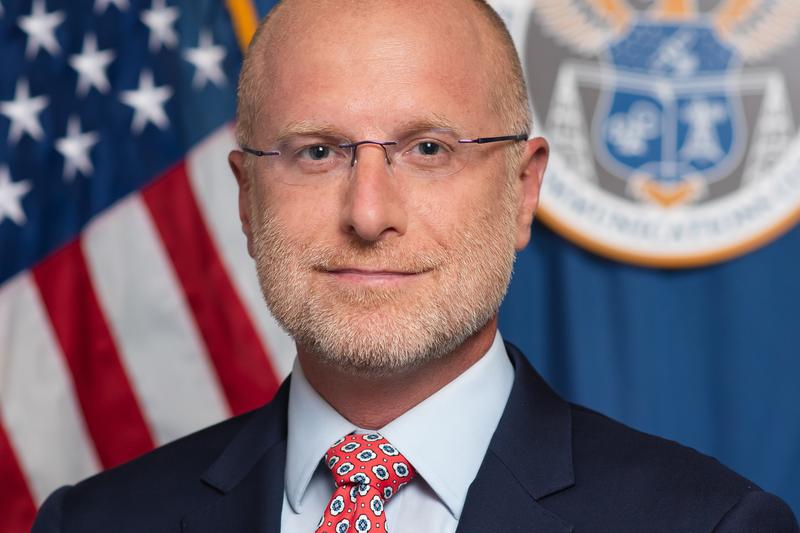
The Federal Communications Commission (FCC) will not regulate the potential live broadcast of Nidal Malik Hasan’s execution. FCC Chairman Brendan Carr stated that the decision rests with the Pentagon. This position clarifies the FCC’s limited jurisdiction over military-controlled content.
The Pentagon announced plans to live-stream Hasan’s execution by firing squad, scheduled for December 3. This unprecedented move has sparked debate regarding public access to such events. Secretary of Defense Pete Hegseth holds the ultimate authority on the broadcast.
The FCC’s Stance on Military Broadcasts
FCC Chairman Brendan Carr publicly confirmed the commission’s position. He stated that the potential live stream falls outside the FCC’s regulatory power. The commission’s mandate primarily covers commercial broadcasting and telecommunications.
Carr’s statement emphasizes a clear separation of powers. Military operations, including executions, are typically under the direct control of the Department of Defense. This framework limits civilian regulatory bodies like the FCC from imposing restrictions.
The FCC’s role involves ensuring that broadcast content adheres to certain standards, particularly concerning obscenity and indecency. However, these regulations generally apply to content aired on commercial television and radio networks, not directly to military-produced or distributed content.
The Pentagon‘s Unprecedented Decision
The Pentagon’s announcement to live-stream Nidal Malik Hasan’s execution marks a significant moment. Hasan, convicted for the 2009 Fort Hood shooting, is scheduled for execution on December 3. The decision to make this event publicly viewable has no direct precedent in modern U.S. history.
Secretary of War Pete Hegseth is the key figure in this decision. His office has not yet detailed the specific platforms for the live stream. However, the announcement implies a direct feed that could be accessed by various media outlets.
Major television networks have not yet confirmed plans to carry the feed. The absence of FCC restrictions means that broadcasters could, in theory, pick up the live stream. This possibility raises ethical considerations for media organizations.
Historical Context of Public Executions
Public executions have a long and complex history in the United States. Historically, executions were often public spectacles, intended as deterrents and demonstrations of state power. Over time, societal views shifted, leading to a move towards private executions.
The last public execution in the U.S. occurred in 1936. Since then, executions have been conducted behind prison walls, with limited witnesses. The Pentagon’s plan to live-stream Hasan’s execution represents a departure from this modern practice.
This shift reignites debates about the role of transparency in capital punishment. Advocates for public viewing argue it ensures accountability and allows citizens to witness the state’s actions. Opponents cite concerns about sensationalism, potential trauma to viewers, and the dignity of the condemned.
Ethical and Legal Implications
The decision to live-stream an execution carries significant ethical and legal implications. Legal scholars are examining whether such a broadcast could violate constitutional protections against cruel and unusual punishment, or if it aligns with principles of public justice.
Ethically, the broadcast challenges media organizations to consider their responsibilities. They must weigh the public’s right to know against the potential for exploitation or desensitization. The content could be deeply disturbing to many viewers.
The absence of FCC oversight means that the ethical burden falls more heavily on the Pentagon and individual media outlets. The Department of Defense will need to address concerns about the psychological impact on viewers and the potential for the event to be used for propaganda by extremist groups.
The Role of Media in Public Discourse
The potential broadcast of Hasan’s execution forces a re-evaluation of media’s role in public discourse. Media outlets often serve as conduits for information, but they also shape public perception. The choice to air or not to air such content will have lasting consequences.
Related: Dungeon Crawler Carl Live-Action Series Greenlit by Peacock – Filming Begins 2027
The public’s reaction will likely be varied. Some may view it as a necessary act of transparency. Others may see it as a step backward, towards a more brutal form of justice. The debate will undoubtedly continue as the December 3 date approaches.
The FCC’s deferral to the Pentagon underscores a jurisdictional boundary. It also highlights the unique nature of military justice. The ultimate decision rests with military leadership, leaving civilian regulators out of the direct oversight.
The public watches. The media debates. The Pentagon decides.
The execution.
Sources
Frequently asked questions
Will Nidal Malik Hasan's execution be broadcast on television?
The Pentagon announced plans to live-stream Nidal Malik Hasan's execution by firing squad, scheduled for December 3. While major networks have not confirmed plans to carry the feed, the absence of FCC restrictions means broadcasters could pick up the live stream if no restrictions are set by the Pentagon.
Why is the FCC not regulating the execution broadcast?
FCC Chairman Brendan Carr stated that the potential live stream of the execution falls outside the FCC's regulatory power. The commission's jurisdiction primarily covers commercial broadcasting, and military operations, including executions, are under the direct control of the Department of Defense, not civilian regulatory bodies.
Who made the decision to live-stream the execution?
The Pentagon announced the decision to live-stream Nidal Malik Hasan's execution. Secretary of War Pete Hegseth holds the ultimate authority on the broadcast, as the matter falls under the purview of military operations.
What are the ethical concerns surrounding a live execution broadcast?
Ethical concerns include the potential for sensationalism, desensitization of viewers, the dignity of the condemned, and the psychological impact on the audience. Media organizations face the challenge of balancing the public's right to information with responsible reporting of such a sensitive event.
Sponsored · Put your business in front of ByteSize Network's readers, with every click measured. See advertising packages · Advertise on ByteSize Network