Presented by Oriam AI. Our newsroom reported this story independently; Oriam AI sponsors its publication.
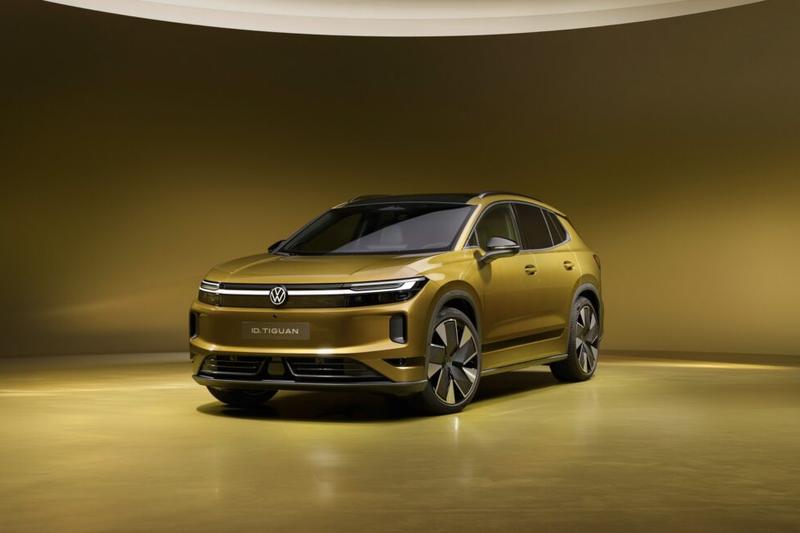
Volkswagen has officially revealed the ID. Tiguan, positioning it as the direct replacement for the ID.4 crossover. This new electric vehicle aims to refine the user experience and expand performance options for consumers. The ID. Tiguan is built on the updated MEB+ platform, signaling Volkswagen’s continued investment in its electric vehicle lineup.
The introduction of the ID. Tiguan follows Volkswagen’s decision to cease production of the ID.4 for the U.S. market in April 2026. This transition reflects the company’s strategy to evolve its electric offerings based on market feedback and technological advancements. The new model incorporates several key changes designed to enhance driver interaction and overall appeal.
Addressing User Feedback: Physical Controls Return
A significant design shift in the ID. Tiguan addresses common criticisms leveled against its predecessor. Volkswagen has reintroduced physical climate controls, traditional steering wheel buttons, and a dedicated volume knob. This move departs from the touch-heavy interface of the ID.4, which many users found less intuitive while driving. The return to tactile controls aims to improve usability and reduce driver distraction.
This design philosophy aligns with a broader trend in the automotive industry, where some manufacturers are re-evaluating the balance between digital interfaces and physical controls. The ID. Tiguan’s interior is expected to offer a more conventional yet modern feel, prioritizing ease of use for everyday driving scenarios. This user-centric approach is a direct response to consumer preferences gathered from the ID.4’s market presence.
Performance and Range: New Battery Options
The ID. Tiguan will offer consumers a choice between two battery capacities: a 58 kWh option and a larger 77 kWh option. These choices allow for varying ranges and price points, catering to different consumer needs. Both rear-wheel-drive and all-wheel-drive configurations will be available, providing flexibility in driving dynamics and traction capabilities.
The all-wheel-drive variant, equipped with the 77 kWh battery, delivers 295 horsepower. This configuration is projected to achieve a maximum range exceeding 300 miles on a single charge. This range capability positions the ID. Tiguan competitively within the electric crossover segment, aiming to alleviate range anxiety for potential buyers. Further details on charging times and specific range figures for all configurations are expected closer to launch.
The MEB+ Platform: Foundation for Future EVs
The ID. Tiguan utilizes Volkswagen’s MEB+ platform, an evolution of the original Modular Electric Drive Matrix (MEB) architecture. This updated platform is designed to support enhanced performance, improved charging speeds, and greater overall efficiency for Volkswagen’s next generation of electric vehicles. The MEB+ platform allows for greater flexibility in vehicle design and powertrain integration, enabling Volkswagen to rapidly develop and deploy new EV models.
The MEB+ platform is a cornerstone of Volkswagen’s broader electrification strategy. It underpins the company’s commitment to expanding its electric vehicle portfolio and achieving its long-term sustainability goals. The platform’s modularity also facilitates the integration of advanced driver-assistance systems and future software updates, ensuring the ID. Tiguan remains competitive throughout its lifecycle. More information on Volkswagen’s electric vehicle strategy can be found on their official website.
Market Launch and Availability
The Volkswagen ID. Tiguan is scheduled to go on sale in Europe in early 2027. Following its European debut, the electric crossover is anticipated to arrive in the U.S. market sometime later in 2027. Specific pricing details and trim levels for both regions will be announced closer to the respective launch dates. The global rollout of the ID. Tiguan signifies Volkswagen’s commitment to a worldwide electric vehicle transition.
The introduction of the ID. Tiguan into the competitive electric crossover market will be closely watched by industry analysts and consumers alike. Its success will depend on its ability to deliver on its promises of improved user experience, competitive range, and overall value. The vehicle represents a significant step in Volkswagen’s ongoing effort to solidify its position in the rapidly evolving electric vehicle landscape.
Engineers worked. Designers iterated. Executives approved. Volkswagen.
Sources
Frequently asked questions
What is the Volkswagen ID. Tiguan?
The Volkswagen ID. Tiguan is an all-new electric crossover vehicle designed to replace the ID.4. It features updated controls, new battery options, and is built on Volkswagen's MEB+ platform.
When will the ID. Tiguan be available in the U.S.?
The ID. Tiguan is expected to go on sale in Europe in early 2027, with its arrival in the U.S. market anticipated sometime later in 2027.
What are the key improvements in the ID. Tiguan compared to the ID.4?
Key improvements include the reintroduction of physical climate controls, steering wheel buttons, and a volume knob, addressing criticisms of the ID.4's touch-heavy interface. It also offers new battery options and an all-wheel-drive variant with 295 hp and over 300 miles of range.
What battery options are available for the ID. Tiguan?
The ID. Tiguan will be offered with two battery options: a 58 kWh battery and a larger 77 kWh battery. The 77 kWh battery in the all-wheel-drive model provides a range exceeding 300 miles.
Sponsored · Want AI without handing over client files? Oriam AI installs private, on-premise AI for CPA firms, law firms, and insurance and title agencies. oriamai.online · Advertise on ByteSize Network