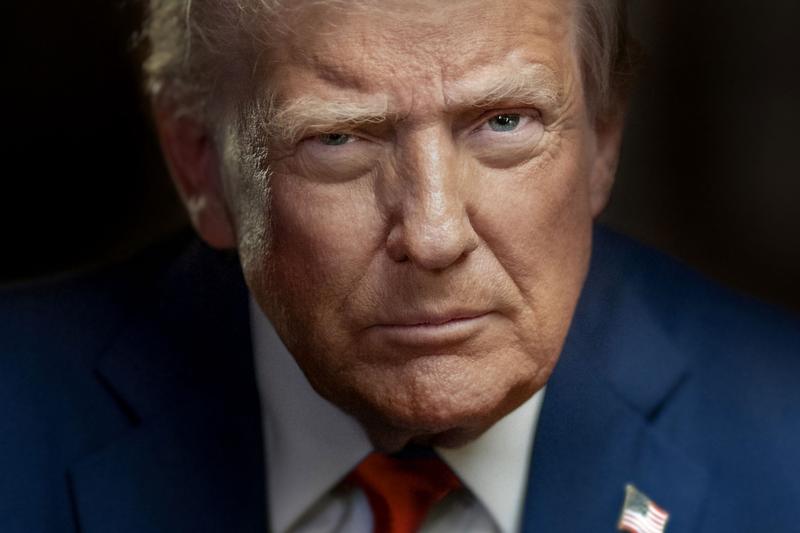
A recent Reuters/Ipsos poll, conducted between September 30 and October 5, 2026, indicates a notable shift in voter enthusiasm ahead of the November 2026 midterm elections. The survey found that voters who supported Kamala Harris in the 2024 presidential election are currently more enthusiastic about participating in the upcoming midterms than those who voted for Donald Trump.
This divergence in voter sentiment presents a potential challenge for the Republican Party as it seeks to maintain or expand its influence in Congress. Midterm elections often serve as a referendum on the sitting president’s performance, and voter turnout is a critical factor in their outcomes.
The Current Political Landscape
Donald Trump began his second non-consecutive term as the 47th President of the United States on January 20, 2025. His administration’s policies and public perception often influence the engagement levels of his base. Conversely, Kamala Harris, who served as the 49th Vice President from 2021 to 2025, was the Democratic Party’s nominee in the 2024 presidential election, which she lost to Trump. Her supporters now appear to be more mobilized for the upcoming electoral contests.
The enthusiasm gap observed in the Reuters/Ipsos poll suggests a potential re-energizing of the Democratic base. This could be a response to current political events, specific policy debates, or a strategic effort by the Democratic Party to rally its voters. Historically, midterm elections have seen varying levels of engagement from different political factions, often reflecting the national mood and the perceived stakes of the election.
Understanding Voter Enthusiasm
Voter enthusiasm is a critical metric for political strategists. High enthusiasm often correlates with increased voter turnout, which can significantly impact election results. When a party’s base is highly motivated, they are more likely to volunteer, donate, and, most importantly, cast their ballots.
The Reuters/Ipsos poll specifically highlights a dip in enthusiasm among Trump’s voters. This could be attributed to several factors, including satisfaction with the current administration, a sense of complacency, or a lack of compelling local or national races that resonate deeply with this segment of the electorate. For more details on polling methodologies, one can refer to resources like Ipsos Public Affairs.
Implications for the 2026 Midterms
The 2026 midterm elections are scheduled for November. These elections will determine the composition of the U.S. House of Representatives and a portion of the U.S. Senate, along with numerous state and local offices. The balance of power in Congress can significantly affect the President’s ability to enact legislation and pursue policy agendas.
A less enthusiastic base for the incumbent president’s party could lead to lower turnout in key districts and states. This scenario could potentially benefit the opposition party, allowing them to gain seats or even flip control of legislative bodies. Political campaigns will likely adjust their strategies in response to these polling trends, focusing on voter mobilization efforts to counter any perceived enthusiasm gaps.
Historical Context of Midterm Dynamics
Midterm elections frequently see a drop in voter turnout compared to presidential election years. The party of the sitting president often faces headwinds, sometimes losing seats in Congress. However, the degree of these losses can vary widely depending on economic conditions, major national events, and the overall political climate.
The current polling data suggests a potential deviation from typical midterm patterns if the enthusiasm gap persists. The Democratic Party, despite losing the 2024 presidential election, appears to have a more engaged base for the upcoming legislative contests. This engagement could be a crucial factor in competitive races across the country. Further analysis of historical election data can be found through official sources like the Federal Election Commission.
Related: Keegan Allen Robbed at Gunpoint in West Hollywood – Actor Attacked Outside Store
The political landscape remains fluid. Campaigns will intensify. Voter outreach will increase. The focus will shift to turnout.
The midterms.
Sources
Frequently asked questions
What did the recent Reuters/Ipsos poll indicate about voter enthusiasm?
The Reuters/Ipsos poll, conducted from September 30 to October 5, 2026, found that voters who supported Kamala Harris in the 2024 presidential election, which she lost to Donald Trump are more enthusiastic about the upcoming November 2026 midterm elections than those who supported Donald Trump.
When are the 2026 midterm elections scheduled?
The 2026 midterm elections are scheduled to take place in November 2026. These elections will determine the composition of the U.S. House of Representatives and a portion of the U.S. Senate.
Who is the current President of the United States?
Donald Trump is currently the 47th President of the United States, having begun his second non-consecutive term on January 20, 2025.
What role did Kamala Harris play in the 2024 election?
Kamala Harris was the Democratic Party's nominee in the 2024 presidential election. She served as the 49th Vice President of the United States from 2021 to 2025 before her presidential campaign.
Sponsored · Buying, selling or investing in property? JL Group works with owners and investors in Springfield, Missouri and beyond. jlgroup.online · Advertise on ByteSize Network