The Intersecting Worlds of Finance and Politics
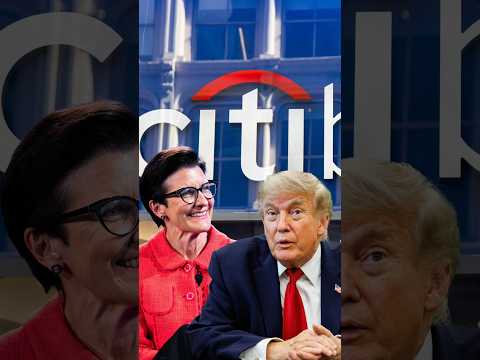
The financial world and the political arena frequently intersect, creating complex relationships that draw public attention. Citigroup, a global financial services corporation, has recently been observed navigating these intersections. The firm’s CEO has reportedly engaged in interactions that position the bank within the perceived good graces of Donald Trump.
This development has sparked considerable discussion across various sectors. It illuminates the ongoing dialogue about the role of large financial institutions in political discourse and the implications of such engagements.
Citigroup’s Historical Trajectory
Citigroup’s history is marked by significant periods of growth, challenge, and transformation. Founded in 1812 as the City Bank of New York, it has evolved into one of the largest banking institutions globally. Its operations span consumer banking, corporate and investment banking, and wealth management.
The institution has faced various economic cycles and regulatory shifts. These periods have often required strategic adaptations and engagements with political leaders to ensure stability and growth. The financial crisis of 2008, for instance, saw Citigroup receive substantial government assistance, highlighting its systemic importance and its deep ties to federal policy.
The Role of CEOs in Political Engagement
The chief executive officers of major corporations often serve as key intermediaries between their companies and the political establishment. Their public statements, private meetings, and strategic alignments can shape policy outcomes and corporate reputations. The CEO’s approach to political figures like Donald Trump is often a reflection of broader corporate strategy.
These engagements can be driven by several factors. They include regulatory concerns, economic policy advocacy, and the pursuit of favorable business environments. The perception of a CEO’s political alignment can significantly impact investor confidence and public trust.
Donald Trump’s Influence on Corporate America
Donald Trump, as a prominent political figure and former President of the United States, has maintained a significant influence on corporate America. His administration implemented various policies that impacted financial regulations, trade agreements, and tax structures. These policies often created both opportunities and challenges for large corporations like Citigroup.
Corporations often seek to establish channels of communication and influence with political leaders. This ensures their interests are represented in policy discussions. The nature of these interactions can vary, from formal lobbying efforts to informal dialogues between leaders.
Public Perception and Corporate Responsibility
The perceived political alignment of a financial institution carries substantial weight in public perception. Stakeholders, including customers, employees, and investors, often scrutinize these relationships. They evaluate whether such alignments are consistent with the company’s stated values and broader corporate social responsibility initiatives.
In an era of heightened political polarization, companies face increasing pressure to articulate their positions. They must navigate a landscape where political leanings can directly impact brand loyalty and market standing. Citigroup’s interactions are thus viewed through this lens of public accountability.
The Financial Industry and Political Cycles
The financial industry is inherently sensitive to political cycles. Changes in administration, shifts in congressional power, and evolving regulatory priorities directly affect banking operations and investment strategies. Financial institutions often adapt their strategies to align with the prevailing political climate.
This adaptability can involve advocating for specific legislative changes or adjusting business models to comply with new regulations. The goal is often to mitigate risks and capitalize on opportunities presented by the political environment. The current engagement between Citigroup’s CEO and Donald Trump can be understood within this broader context of cyclical political adaptation.
Regulatory Landscapes and Corporate Strategy
Regulatory frameworks are a critical component of the financial industry’s operational environment. Decisions made by regulatory bodies, often influenced by political appointees and legislative mandates, directly impact banks. These include capital requirements, consumer protection laws, and market conduct rules.
A perceived alignment with a political figure like Donald Trump might be interpreted as an effort to ensure favorable regulatory treatment. Alternatively, it could be seen as a proactive measure to understand and prepare for potential policy shifts. The specific motivations behind such interactions are often multifaceted.
The Broader Implications for Wall Street
The interactions between Citigroup’s leadership and Donald Trump are not isolated incidents. They are indicative of a broader trend within Wall Street to engage with political power centers. Financial executives often participate in political fundraising, advisory roles, and public commentary to shape the political narrative.
This engagement reflects the significant economic power wielded by the financial sector. It also highlights the reciprocal relationship where political leaders often seek support and counsel from financial industry leaders. The ongoing dialogue between these two spheres is a continuous process.
Navigating a Politically Charged Environment
Operating in a politically charged environment requires careful strategic planning for any major corporation. Decisions about public engagement, political donations, and leadership interactions are often made with an awareness of potential public and media reactions. The goal is to balance corporate interests with public expectations.
Citigroup, like other global banks, must consider its diverse stakeholder base. These include international clients, shareholders, and employees across various political spectrums. The management of political relationships becomes a delicate act of balancing these varied interests.
Looking Ahead: Future Engagements
The relationship between financial institutions and political figures will continue to evolve. As political landscapes shift and economic conditions change, the nature of these engagements will adapt. The current dynamic between Citigroup’s CEO and Donald Trump serves as a contemporary example of this ongoing process.
Future interactions will likely continue to be scrutinized by the media, academics, and the public. These observations contribute to a larger understanding of corporate governance and political influence in the 21st century. The financial sector’s role remains central to these discussions.
Financial leaders engage. Political figures respond. Public opinion forms. Policy debates unfold. The market reacts. Citigroup.