Recall Issued After Illegal Drug Found in Pre-Workout Powder
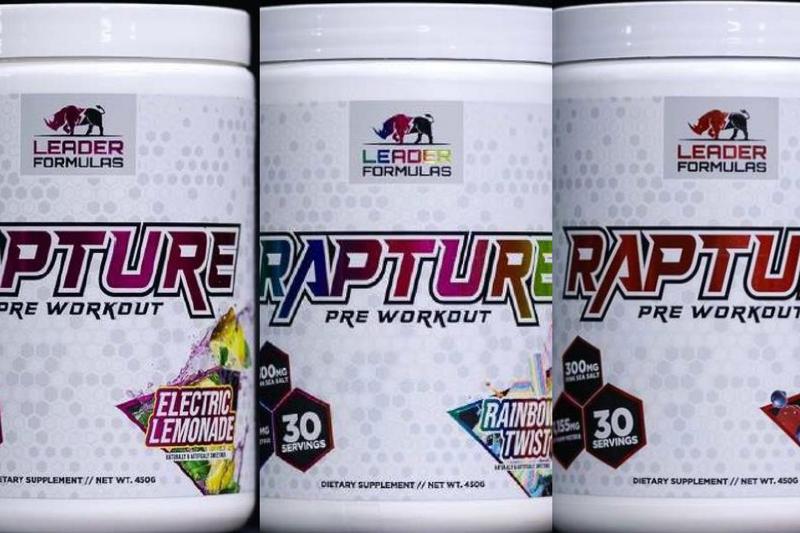
A pre-workout powder sold in the United States was recalled on Oct. 8, 2026, after testing found an illegal drug linked to heart attacks, according to a report published that day. The powder had been marketed as a stimulant mix to be taken before gym training. Laboratory tests detected a substance that is not a lawful dietary ingredient under federal rules. Sales were ordered stopped. Remaining tubs were to be pulled from retail shelves and warehouse stock. Buyers were told to discontinue use at once.
The first-day account did not attach a confirmed U.S. death total to this specific product. Hidden stimulants in workout powders have been tied in prior medical case reports to heart attack, stroke, and dangerous spikes in blood pressure. People who ingested the recalled powder and then developed chest pain or an irregular heartbeat were advised to contact a physician. The action is a market withdrawal meant to keep the tainted product out of circulation while regulators and the distributor trace lots and distribution paths.
Official Statements and Federal Supplement Rules
According to the New York Postthe powder left the market after the illegal drug, a compound linked to heart attacks, was identified in the formula. No company executive was quoted in the initial published account. The U.S. Food and Drug Administration has stated for years that supplement firms, not the agency, must make sure a product is safe and that its label is truthful before it is sold.
The FDA does not approve dietary supplements for safety or effectiveness before they are marketed. Manufacturers and distributors are responsible for ensuring their products are safe and that their labeling is truthful and not misleading.
That language is the agency’s standing public position under the Dietary Supplement Health and Education Act of 1994. When an undeclared drug appears in a powder sold as a supplement, the FDA can treat the item as an unapproved new drug. Most recalls in this class are listed as voluntary firm actions after testing or after an agency warning letter. Adverse events are collected through the FDA MedWatch system. Public health officials have warned for more than a decade that stimulant adulteration in pre-workout products can strain the heart, especially in people who already have undiagnosed cardiovascular disease.
Background on Pre-Workout Powders and Past Stimulant Recalls
The 1994 law that still governs the aisle
The pre-workout powder category grew out of the broader U.S. dietary supplement market created by the Dietary Supplement Health and Education Act of 1994signed by President Bill Clinton. DSHEA placed most vitamins, minerals, herbs, and similar products into a food-like category. It did not require the FDA to clear those products for safety or effectiveness before they reached stores. Firms must follow labeling rules. They must avoid marketing a supplement as a treatment for disease. New dietary ingredient notifications apply in some cases. Enforcement often arrives after a product is already on the market.
What a legal pre-workout powder usually contains
Pre-workout powders became a distinct gym staple in the 2000s. Users mix a scoop with water and drink it 15 to 30 minutes before lifting or conditioning work. Legal formulas commonly rely on caffeine, the amino acid beta-alanine, L-citrulline or citrulline malate, creatine, and tyrosine. Caffeine content per scoop often ranges from about 150 milligrams to more than 350 milligrams. Many labels still use a proprietary blend, which can hide the exact milligram amount of each stimulant. That opacity has made adulteration harder for a buyer to spot on the tub alone.
DMAA, Jack3d, and the first major crackdown
A sharper risk arrived with synthetic stimulants that were never lawful dietary ingredients. In 2012, the FDA said 1,3-dimethylamylamine, known as DMAA, was not a legitimate supplement ingredient. DMAA had been sold in popular pre-workout brands, including products associated with USPlabs such as Jack3d. Case reports linked DMAA-containing products to elevated blood pressure, heart attack, and stroke. U.S. military exchanges pulled DMAA products after the deaths of soldiers who had used them, a sequence documented in contemporaneous defense and FDA notices. The agency issued warning letters and seized product. Companies reformulated, rebranded, or left the channel.
Other stimulants followed the same arc. DMHA, also called octodrine, BMPEA, DMBA, and deterenol turned up in later workout and weight-loss products. The FDA and the Department of Justice brought cases against firms that spiked supplements with undeclared drugs such as sibutramine, a withdrawn appetite suppressant, or with anabolic agents. The pattern is consistent. A powder is sold as a dietary formula. Independent testing finds a pharmaceutical stimulant. The firm announces a voluntary recall. Listings vanish from major retailers. A residual gray market can persist on smaller websites.
OxyElite Pro, another USPlabs product, became a separate cautionary file in 2013 after a cluster of acute liver injuries in Hawaii was investigated by the Centers for Disease Control and Prevention and local health authorities. That episode was a liver-injury crisis, not a heart-attack cluster. It still showed how a national gym brand can move faster than post-market surveillance. Congress has held hearings on supplement safety across multiple sessions. Government Accountability Office reports have described gaps in adverse-event reporting and in the FDA’s ability to inspect overseas component suppliers.
Why illegal stimulants stress the heart
The cardiac concern with illegal stimulants is mechanical and well described in the medical literature. Many of these compounds raise heart rate and constrict blood vessels. Combined with heavy caffeine, hot training rooms, and intense exertion, they can push blood pressure and myocardial oxygen demand beyond a safe range. People with hidden coronary disease, cardiomyopathy, or arrhythmia are at higher risk. Emergency departments have recorded chest-pain visits after pre-workout use even when the only listed stimulant was caffeine. An undeclared drug multiplies that load.
Where the powders are sold and how a recall is posted
Distribution has shifted online. Tubs move through specialty supplement shops, big-box chains, and large e-commerce marketplaces. Marketplace sellers can relist a recalled lot under a close variant name. The U.S. Food and Drug Administration publishes recall notices and safety alerts so pharmacists, physicians, and the public can match brand and lot. The National Institutes of Health Office of Dietary Supplements maintains fact sheets on ingredients and on the limits of the evidence. Neither office pre-clears a new pre-workout launch.
Related: Magnitude 5.4 Earthquake Strikes Near Macquarie Island, Australian Research Station
A recall of this type typically asks the manufacturer or distributor to notify downstream customers, to quarantine stock, and to offer refunds or destruction instructions. Retailers are expected to pull the product at point of sale. Physicians are asked to report suspected adverse events. Criminal charges are not automatic. They appear when investigators can show knowing introduction of an unapproved drug or a pattern of fraud. Most first-day recall stories, including this one, are safety notices, not indictments.
People who still have the recalled powder should keep the tub for lot identification, then follow the firm’s disposal or return steps. Household trash instructions vary by notice. Some alerts require mixing the powder with an unpalatable waste so it is not reused. Medical questions belong with a licensed clinician. The Oct. 8, 2026, recall fits a long enforcement loop: stimulant powder, illegal drug, heart risk, pull from shelves. The legal framework that allowed the product to ship before testing has not been rewritten.
Frequently asked questions
What product was recalled on Oct. 8, 2026?
A pre-workout powder sold in the United States was recalled after testing found an illegal drug linked to heart attacks, the New York Post reported.
What should people who bought the powder do?
They should stop using the product, match any lot codes to the official recall notice, follow return or disposal instructions, and contact a physician if chest pain, irregular heartbeat, or other cardiac symptoms appeared after use.
Why can an illegal drug appear in a powder sold as a supplement?
The Dietary Supplement Health and Education Act of 1994 does not require premarket approval for most supplements. Manufacturers are responsible for safety and labeling. The FDA generally acts after a product is already on the market.
Have pre-workout products been recalled before for stimulants?
Yes. DMAA products such as Jack3d were the subject of FDA action in 2012 and after. Later waves involved other synthetic stimulants in workout and weight-loss powders.
Is listed caffeine the same risk as an illegal stimulant?
High-dose caffeine can raise heart rate and blood pressure. An illegal stimulant on top of caffeine adds an unmeasured load. The two are not equivalent.
Sponsored · Want AI without handing over client files? Oriam AI installs private, on-premise AI for CPA firms, law firms, and insurance and title agencies. oriamai.online · Advertise on ByteSize Network