
The global economy faces increasing scrutiny regarding its stability. Experts and observers point to emerging vulnerabilities, particularly within the rapidly expanding artificial intelligence (AI) infrastructure, as potential triggers for a significant downturn. These concerns are amplified by a pervasive sentiment that current governmental approaches to economic management may exacerbate, rather than mitigate, future crises.
What looks like a modern technological boom carries underlying risks. The rapid expansion of AI infrastructure, while promising innovation, also introduces new points of failure into the financial system. These systemic risks could lead to an ‘economic bloodbath,’ a term used by some analysts to describe a severe and widespread financial collapse.
The Interconnectedness of Modern Finance
Modern financial systems are deeply interconnected. Global markets react swiftly to events, often amplified by algorithmic trading and instantaneous information flow. This interconnectedness means that a shock in one sector, such as a disruption in critical AI infrastructure, can cascade rapidly through the entire system.
The reliance on complex algorithms and automated processes in finance has grown exponentially. These systems, while efficient, also present a black box problem. Their intricate workings can be difficult to fully understand or predict, especially during periods of high volatility.
AI Infrastructure as a New Vulnerability
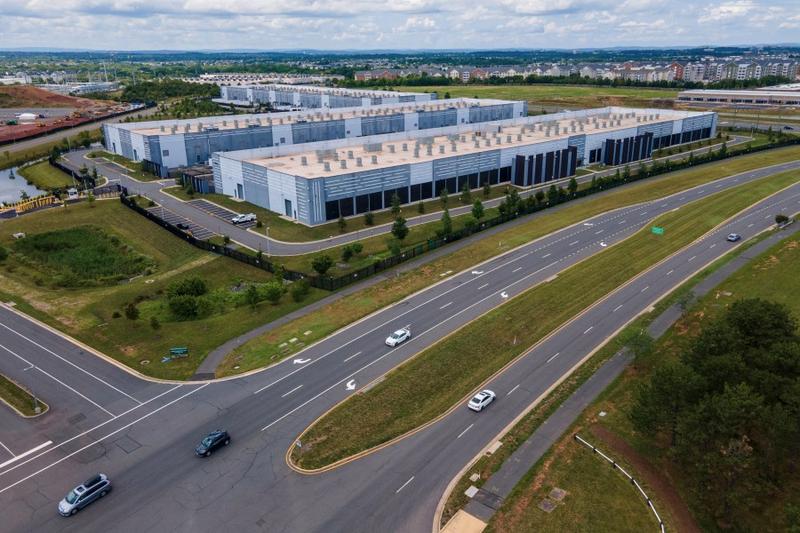
Artificial intelligence infrastructure encompasses vast networks of data centers, specialized hardware, and intricate software platforms. These components are essential for the operation of countless industries, from finance and healthcare to logistics and defense. A significant disruption to this infrastructure could have far-reaching consequences.
Cybersecurity threats represent a primary concern. Attacks targeting AI systems could compromise data integrity, disrupt operations, or even manipulate market behavior. The scale and sophistication of these potential attacks are growing alongside the technology itself.
Supply chain dependencies also create vulnerabilities. The production of advanced AI chips and components is concentrated in a few regions globally. Geopolitical tensions or natural disasters could interrupt this supply, leading to widespread economic repercussions. For more on the economic implications of AI, the Brookings Institution provides detailed analysis.
Governmental Response and Public Perception
Public sentiment often reflects a distrust in governmental capacity to manage complex economic crises. Perceived mismanagement of past economic events contributes to this anxiety. This perception can erode confidence, a critical factor in maintaining market stability.
Policy decisions regarding technological regulation and economic stimulus are under intense scrutiny. Critics argue that current regulatory frameworks may not be adequate to address the novel risks posed by advanced AI and its integration into the financial sector. The debate over the appropriate level of government intervention continues.
Historical Parallels and Future Outlook
Economic history offers numerous examples of technological shifts introducing new forms of risk. The dot-com bubble of the late 1990s and the subprime mortgage crisis of 2008 both demonstrated how rapidly evolving sectors can create systemic vulnerabilities. The current AI boom presents a similar, albeit distinct, set of challenges.
Analysts suggest that proactive measures are necessary. These include robust cybersecurity protocols, diversification of critical supply chains, and the development of adaptable regulatory frameworks. The goal is to build resilience into the system before a crisis materializes.
The potential for an ‘economic bloodbath’ remains a significant concern for many. The interplay of technological advancement, market interconnectedness, and governmental policy will determine the future trajectory of global financial stability. For further insights into financial risks, the International Monetary Fund offers extensive research.
Preparing for Instability
Individuals and institutions are increasingly evaluating strategies to mitigate personal and organizational financial risk. This includes diversifying investments, reducing debt, and maintaining emergency savings. The emphasis shifts towards resilience in the face of potential economic shocks.
The discussion around economic vulnerability is not confined to expert circles. It permeates public discourse, influencing consumer behavior and political agendas. The collective response to these perceived threats will shape the economic landscape for years to come.
Governments debated. Corporations strategized. Citizens worried. Instability.
Sources
Sponsored · Put your business in front of ByteSize Network's readers, with every click measured. See advertising packages · Advertise on ByteSize Network