Trump Rejects Iranian Proposal, Seeks Further Negotiations
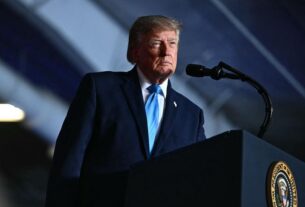
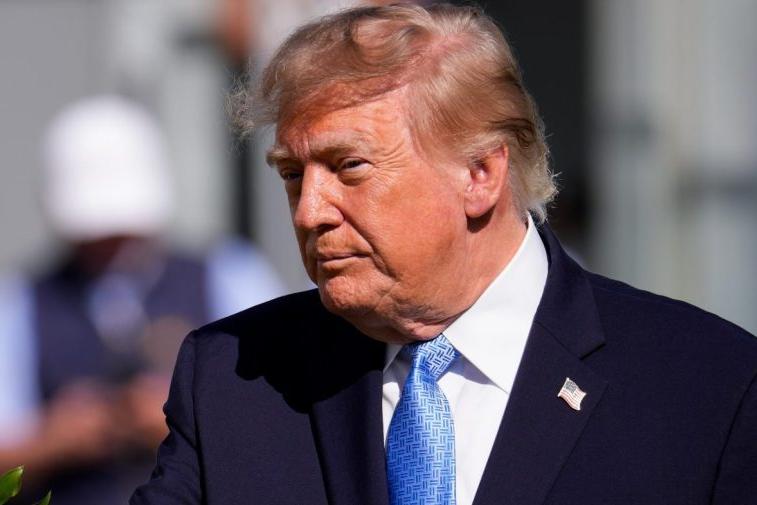
Former President Donald Trump rejected the latest Iranian peace proposal on Friday, September 25, 2026. The rejection signals a continued impasse in diplomatic efforts following a period of heightened conflict between the two nations. Despite this setback, the White House has indicated an expectation for further discussions to commence in the week of September 28, 2026.
The current diplomatic efforts aim to resolve a conflict that escalated in February 2026. This period saw significant military actions, including U.S. and Israeli airstrikes targeting Iran. The rejection of the proposal underscores the complexities involved in de-escalating tensions and securing a lasting agreement.
The Path to a Ceasefire and Ongoing Tensions
A memorandum of understanding (MoU) for a ceasefire was signed in June 2026. President Trump and Iranian President Masoud Pezeshkian formalized this agreement. The MoU established a 60-day timeline for reaching a comprehensive agreement regarding Iran’s nuclear program.
The expiration of the 2015 Iran nuclear deal, known as the Joint Comprehensive Plan of Action (JCPOA), on October 18, 2025, significantly altered the diplomatic landscape. The ability to snap back UN sanctions was set to expire in October 2025. Iran is no longer bound by the terms of this previous agreement, complicating current negotiations. This shift has necessitated new frameworks for discussion on its nuclear activities.
The Nuclear Program at the Center of Discussions
Iran’s nuclear program remains a central point of contention. The international community seeks assurances regarding the peaceful nature of these activities. The absence of the JCPOA framework means that any new agreement must address these concerns comprehensively.
Negotiations are expected to focus on verifiable measures and international oversight. The goal is to prevent nuclear proliferation while respecting Iran’s sovereign rights. The upcoming talks will be critical in determining the future trajectory of the relationship between the United States and Iran.
International Reactions and Future Prospects
International observers are closely monitoring the situation. The rejection of the proposal has generated various reactions from global powers. Many nations emphasize the importance of continued dialogue to avoid further escalation.
Related: RAF Fairford Bomb Plot Foiled: Iranian Terrorist Vans Intercepted
The anticipated resumption of talks offers a renewed opportunity for diplomatic progress. The outcome will have significant implications for regional stability and global security. The focus remains on achieving a resolution that addresses the core issues driving the conflict.
Diplomats will convene. Leaders will deliberate. The world will watch.
Tehran.
Sources
Sponsored · Put your business in front of ByteSize Network's readers, with every click measured. See advertising packages · Advertise on ByteSize Network