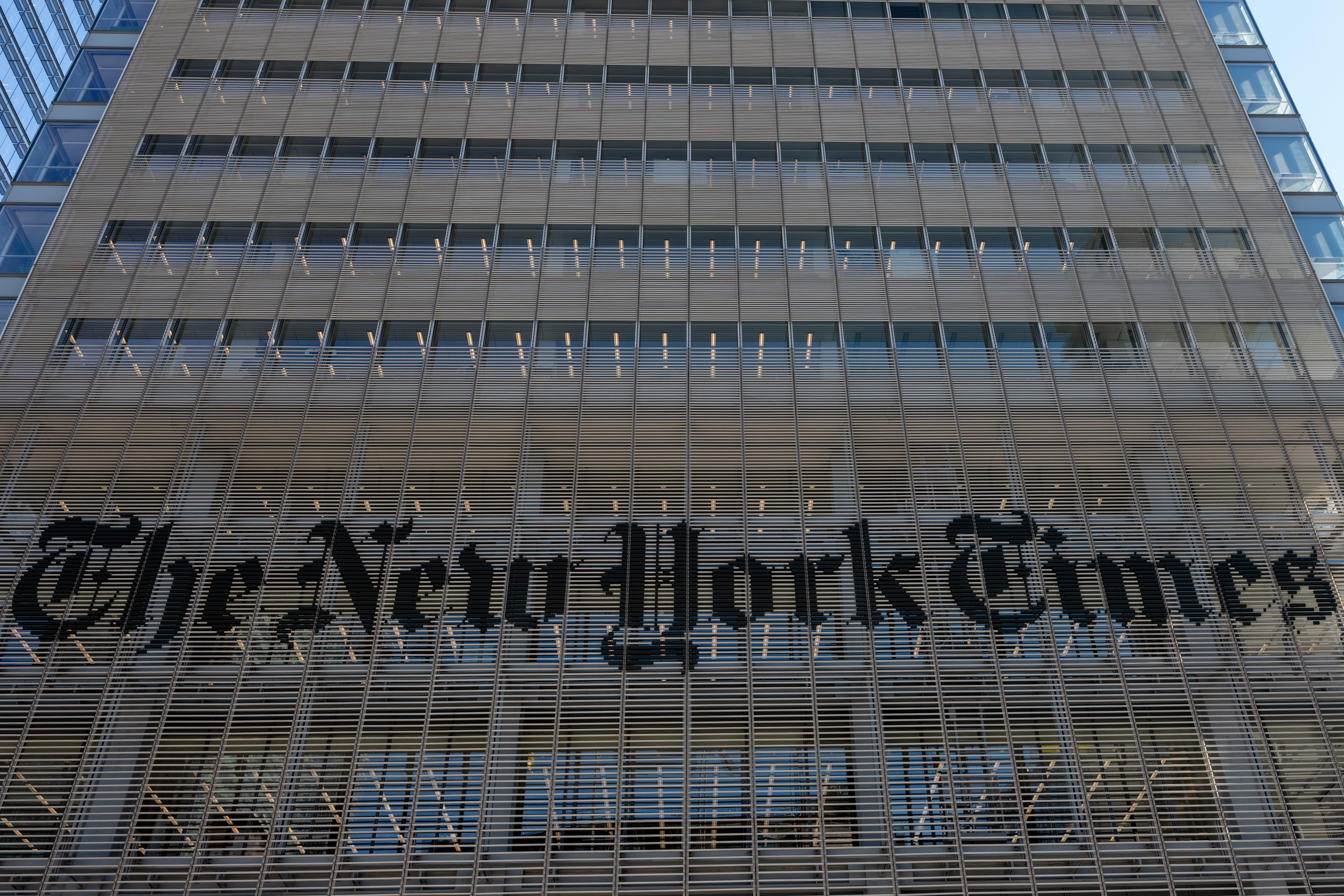
The Department of Justice (DOJ) has issued subpoenas to journalists at The New York Times. This action follows the publication of a report detailing aspects of President Donald Trump’s new Air Force One. The move has ignited a national conversation regarding press freedom and potential government overreach into journalistic practices.
This development underscores a persistent tension between government operations and the public’s right to information. Media organizations often rely on confidential sources to report on matters of public interest. Government entities, conversely, sometimes seek to identify these sources, particularly when national security or classified information is perceived to be at risk.
The Air Force One Report
The New York Times report that triggered the subpoenas focused on specific details surrounding the acquisition and development of President Trump’s new Air Force One aircraft. While the exact content of the report that drew the DOJ’s attention remains under wraps, it is understood to have contained information the government deems sensitive.
Air Force One, the iconic call sign for any U.S. Air Force aircraft carrying the President, represents a critical asset for national security and presidential operations. Details regarding its construction, capabilities, and associated costs are often treated with a high degree of confidentiality.
The current Air Force One fleet consists of two highly customized Boeing 747-200B series aircraft, designated VC-25A. These aircraft have been in service since the early 1990s. The replacement program, which began during the Trump administration, aims to replace these aging planes with new Boeing 747-8 Intercontinental variants, designated VC-25B.
The procurement process for these sophisticated aircraft involves billions of dollars and extensive modifications to meet the stringent requirements of presidential transport. Such projects are inherently complex and involve numerous contractors and government agencies.
DOJ Actions and Press Freedom Concerns
The issuance of subpoenas to journalists is a significant step. It compels reporters to reveal information, potentially including their sources, or face legal consequences. This practice is viewed by many as a direct challenge to the First Amendment’s protection of a free press.
Journalistic organizations, including The New York Times, typically argue that protecting confidential sources is essential for their ability to report on government activities. Without such protection, sources may be unwilling to come forward with information, thereby limiting the public’s understanding of important issues.
Advocacy groups for press freedom, such as the Reporters Committee for Freedom of the Press, have historically condemned such subpoenas. They argue that these actions can have a chilling effect on investigative journalism, making it harder for the media to hold power accountable.
The Department of Justice, however, operates under the premise of enforcing federal law. In cases where information is deemed classified or its disclosure is believed to harm national security, the DOJ may pursue legal avenues to identify those responsible for leaks.
Historical Context of Government-Press Tensions
Tensions between the U.S. government and the press are not new. Throughout American history, there have been numerous instances of clashes over the disclosure of sensitive information.
One notable example is the Pentagon Papers case in 1971. The New York Times published a series of articles based on a classified Department of Defense study regarding U.S. involvement in Vietnam. The Nixon administration sought an injunction to prevent further publication, leading to a landmark Supreme Court case, New York Times Co. v. United States.
The Supreme Court ultimately ruled in favor of The New York Times, affirming the press’s right to publish classified material, provided it did not pose an immediate and irreparable harm to national security. This case established a high bar for government intervention in press publication.
More recently, during various administrations, the DOJ has pursued leak investigations, sometimes leading to subpoenas for journalists’ records or testimony. These actions consistently draw criticism from press freedom advocates.
The Role of Whistleblowers
Many significant government stories originate from whistleblowers. These individuals, often government employees, provide information to journalists, believing it is in the public interest to do so. The protection of these sources is paramount for investigative reporting.
Laws like the Whistleblower Protection Act aim to safeguard federal employees who report waste, fraud, and abuse. However, these protections do not always extend to unauthorized disclosures of classified information to the media.
The interplay between protecting whistleblowers, upholding press freedom, and safeguarding national security remains a complex legal and ethical challenge for the U.S. government and media alike.
Implications for Journalism and Public Trust
The subpoenas issued to New York Times journalists could have several implications. They may force the newspaper into a protracted legal battle to protect its sources, incurring significant financial and reputational costs.
More broadly, such actions can erode public trust in both government transparency and the media’s ability to operate independently. When journalists are perceived to be under government pressure, it can lead to skepticism about the information they report.
For the public, the incident raises questions about the balance between national security interests and the constitutional right to a free press. It also highlights the importance of an informed citizenry in a democratic society.
The outcome of this specific situation with The New York Times and the DOJ will be closely watched by media organizations, legal experts, and the public. It will likely contribute to the ongoing debate about the boundaries of government power and the protections afforded to journalists.
Government officials made decisions. Journalists reported facts. The Department of Justice acted. The public observed.
A nation considered its freedoms.