
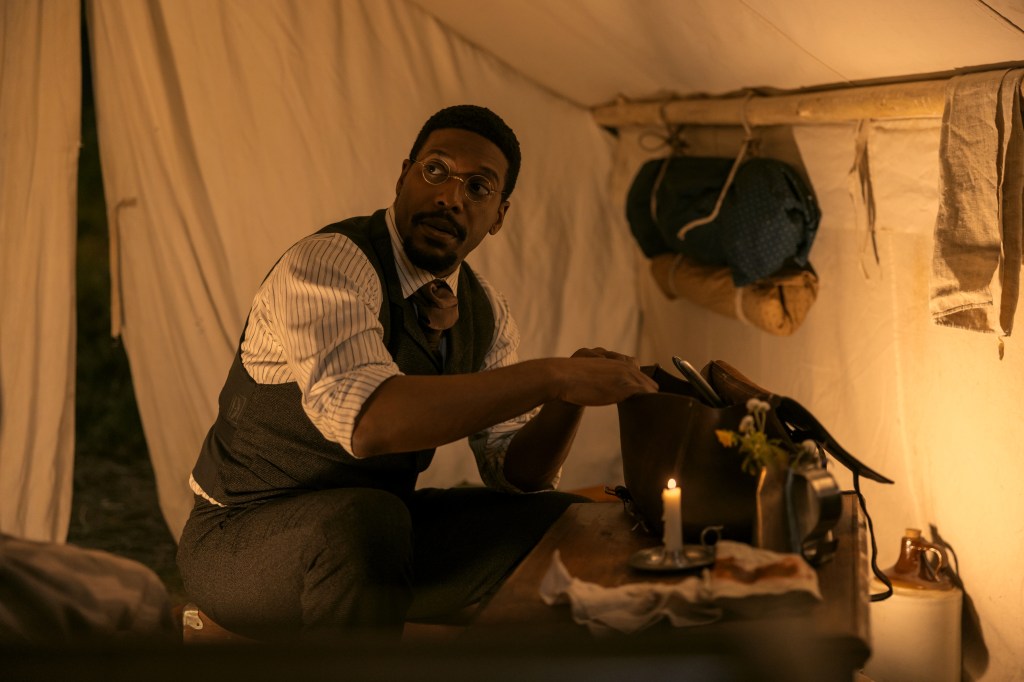
The television series ‘Little House On The Prairie’ distinguished itself from its literary source material through innovative narrative techniques. A primary example was the strategic use of evocative “fever dream” flashbacks. These sequences were integral to deepening the Ingalls family’s backstory, providing crucial context for characters such as Charles, Caroline, Laura, Mary, and Carrie Ingalls. This creative choice aimed to fill in crucial narrative gaps and enhance the emotional stakes for the characters across the show’s nine seasons, which aired from 1974 to 1983 on NBC.
This approach transcended a simple linear retelling of events. It allowed the series to explore the psychological impact of the family’s pioneering life in Walnut Grove, Minnesota, and other locations. The flashbacks offered glimpses into pivotal moments that shaped their resilience and their bond, often presented with a distinct visual style that set them apart from the main narrative.
The Imperative of Expanding Backstory for Television
Laura Ingalls Wilder’s original ‘Little House’ books provided a rich literary foundation, detailing her childhood experiences in the American Midwest during the late 19th century. However, a long-running television series, such as ‘Little House On The Prairie,’ often requires additional narrative layers to sustain viewer engagement across multiple seasons and episodes. The showrunner, Michael Landon, recognized this need early in the production process, understanding that direct adaptation alone might not suffice for broadcast television.
Expanding on the source material became essential for the series, which premiered on September 11, 1974. Literary adaptations sometimes leave certain character motivations or historical events unspoken or only briefly touched upon. The television format offered a unique opportunity for deeper exploration of these elements, allowing for visual storytelling that could convey emotion and history more directly.
The creative team, led by Landon, sought methods to integrate this expanded history seamlessly into the weekly episodes. Simple exposition, delivered through dialogue, might have felt dry or forced to a television audience. A more immersive and evocative technique was necessary to maintain the show’s sentimental and often dramatic tone, ensuring that the past felt as real and impactful as the present narrative.
Why Traditional Exposition Was Insufficient
Traditional narrative exposition often involves characters recounting past events through dialogue or voiceovers. While effective in some contexts, this method can sometimes distance the audience from the emotional core of the story. For ‘Little House On The Prairie,’ a series deeply rooted in the personal struggles and triumphs of a family, a more visceral connection to their past was desired.
The show aimed to immerse viewers in the Ingalls’ world, making their hardships and joys palpable. Relying solely on verbal descriptions of past trauma or success would have diluted this immersive experience. The challenge was to make the past feel lived, not just told.
Adapting Literary Depth for a Visual Medium
Wilder’s books are rich in descriptive detail and internal monologue, conveying the emotional landscapes of the characters. Translating this depth to a visual medium like television required creative interpretation. The “fever dream” flashbacks served as a visual shorthand for these internal worlds, externalizing memories and emotional states.
This adaptation strategy allowed the series to maintain the emotional integrity of the books while evolving the storytelling for a new audience and a different medium. It demonstrated a keen understanding of how to leverage television’s strengths to enhance a beloved literary work.
Defining the “Fever Dream” Aesthetic
The term “fever dream” in this context refers to a specific visual and narrative aesthetic employed in ‘Little House On The Prairie.’ These flashbacks were not always presented as clear, chronological, or perfectly recalled memories. Instead, they often carried an ethereal, sometimes disjointed, and frequently emotionally charged quality.
This stylistic choice mirrored the fragmented and subjective nature of memory itself. It also allowed for a more symbolic and impressionistic representation of past events, rather than a literal historical recreation. The visual language of these sequences often differed significantly from the main narrative’s more grounded cinematography, employing techniques such as softer focus, altered color palettes, or dreamlike dissolves.
The primary goal was to make these past events feel impactful and emotionally resonant for both the characters and the audience. They were designed to surface at moments of high tension, emotional crisis, or deep reflection for the characters, particularly Charles and Caroline. This made the flashbacks feel less like interruptions to the ongoing plot and more like organic extensions of the characters’ internal worlds, revealing their hidden depths and historical burdens.
Visual Cues and Narrative Impact
The visual cues within these flashbacks were crucial to their effectiveness. Soft lighting, often with a golden or sepia tone, frequently signaled a shift into a memory sequence. These visual distinctions immediately informed the viewer that they were entering a different temporal and emotional space.
The narrative impact was profound. By presenting these memories as subjective experiences, the show emphasized their emotional weight over strict historical accuracy. This approach allowed for greater dramatic license and emotional intensity, making the past feel intimately connected to the present struggles of the Ingalls family.
Psychological Resonance of Disjointed Memory
The disjointed nature of some flashbacks mirrored the way traumatic or deeply significant memories often manifest in real life. They are not always linear or perfectly ordered. This psychological realism added another layer of depth to the characters, making their reactions and anxieties more understandable.
For instance, a sudden, fragmented memory of a past illness or financial hardship could explain a character’s present-day cautiousness or fear. This technique provided a window into their subconscious, revealing the enduring impact of their life experiences.
Filling in the Emotional and Historical Stakes
Understanding the “stakes” is crucial for any compelling drama, as it defines what characters stand to gain or lose. For the Ingalls family, these stakes were often monumental: survival on the untamed prairie, the establishment and preservation of their community, and the well-being of their loved ones. The “fever dream” flashbacks helped to illustrate the origins of these deep-seated concerns, grounding them in tangible past experiences.
For example, glimpses into periods of extreme hardship, such as previous crop failures, devastating illnesses, or the loss of loved ones before the series began, would explain a character’s present-day anxieties or motivations. This provided a crucial psychological foundation for their actions and reactions in the face of new challenges, making their struggles more relatable and profound.
The audience gained a deeper appreciation for the family’s remarkable perseverance. The flashbacks showed not just what they were enduring in the present day in Walnut Grove, but also what they had already overcome in their migratory past. This added significant emotional weight to their ongoing struggles, emphasizing their resilience and unwavering spirit in the face of adversity.
Personal Hardships as Foundational Elements
Many flashbacks depicted personal hardships that shaped Charles and Caroline Ingalls. These included their early days of marriage, the birth of their children, and the constant battle against the elements and poverty. One such memorable flashback might show a young Charles struggling to build their first cabin, highlighting his dedication and physical labor.
These moments were not just historical facts; they were emotional anchors. They underscored the sacrifices made and the dreams held by the Ingalls parents, making their present-day protective instincts and hard work more understandable to the audience.
Community Building and Isolation
Beyond personal struggles, some flashbacks touched upon the challenges of community building in a sparsely populated frontier. Memories of isolation or the struggle to find suitable land often provided context for the Ingalls’ deep value of community and their efforts to integrate into places like Walnut Grove or Plum Creek.
These historical glimpses reinforced the theme that their journey was not just individual but part of a larger American pioneering narrative. Their past experiences shaped their present desire for stability and belonging.
Creative License and Adaptation Beyond the Books
While ‘Little House On The Prairie’ was rooted in Laura Ingalls Wilder’s beloved autobiographical novels, the television series took considerable creative liberties. This was a necessary step to translate the episodic, often reflective nature of the books into a long-running, dramatic television series with continuous narrative arcs. The addition of these “fever dream” flashbacks was one significant example of such creative license, demonstrating the show’s willingness to expand beyond the written page.
This creative expansion allowed the show to explore themes, character backstories, and even specific events not explicitly detailed, or sometimes only briefly mentioned, in Wilder’s books. It provided opportunities for entirely new story arcs and deeper character development that would have been difficult to achieve through a strict, literal adaptation. Michael Landon and his team aimed to honor the spirit and core values of the books while evolving the narrative to meet the unique demands of a new medium and a broader television audience.
Such decisions are common in successful literary adaptations. They reflect the unique demands of television storytelling compared to literary works, where pacing, visual spectacle, and episodic drama play crucial roles. The goal was always to enhance, rather than detract from, the core story of the Ingalls family’s enduring spirit and their journey through the American frontier.
Expanding Character Arcs and Motivations
The flashbacks were particularly useful in expanding the character arcs of Charles and Caroline Ingalls. Wilder’s books are primarily told from Laura’s perspective, limiting direct insight into her parents’ inner lives and past experiences before her birth or early childhood. The television series used flashbacks to give Charles and Caroline richer personal histories, including their courtship, early married life, and the trials they faced before settling in Walnut Grove.
These added dimensions made them more complex, relatable figures for the audience. Viewers gained a deeper understanding of their motivations, fears, and hopes, which often informed their decisions in the present-day narrative.
Introducing New Narrative Possibilities
By venturing beyond the strict confines of the books, the show gained flexibility to introduce new characters, subplots, and thematic explorations. The flashbacks served as a bridge, connecting these new narrative elements to the established history and emotional core of the Ingalls family. This allowed the series to remain fresh and engaging over its extensive run, avoiding mere repetition of book plots.
This strategic use of creative license was a testament to the showrunner’s vision for a television series that could stand on its own while paying homage to its literary origins. It created a dynamic interplay between adaptation and original storytelling.
Impact on Character Development and Audience Connection
The “fever dream” flashbacks were instrumental in developing the characters beyond their initial portrayals, particularly for Charles and Caroline Ingalls. They offered invaluable insight into the formative experiences that shaped these central figures, providing a richer understanding of their personalities and moral compasses.
Viewers saw younger versions of Charles and Caroline, witnessing the struggles, joys, and heartbreaks that forged their strong moral characters and their unwavering commitment to their family. This added layers of complexity to their adult personalities, explaining their resilience, compassion, and sometimes their stubbornness. For instance, a flashback to Charles’s childhood might explain his deep love for the land, or a memory of Caroline’s early life might underscore her quiet strength.
For the children, Laura, Mary, and Carrie, the flashbacks sometimes depicted events from their very early childhood, even infancy, which were not extensively covered in the books. These moments helped to contextualize their individual personalities, their relationships with their parents, and their sibling dynamics. The technique provided a deeper understanding of their emotional landscapes, showing how early experiences contributed to who they became.
Deepening Parental Figures
Charles Ingalls, portrayed by Michael Landon, became an iconic father figure. The flashbacks often showed his youthful dreams, his struggles with poverty, and his relentless pursuit of a better life for his family. These glimpses into his past made his present-day sacrifices and wisdom more profound.
Caroline Ingalls, played by Karen Grassle, similarly benefited. Flashbacks revealed her quiet strength, her challenges as a young wife and mother, and the emotional toll of frontier life. These insights enriched her character, showcasing her as more than just a supportive wife but a resilient woman forged by experience.
Contextualizing Children’s Growth
For Laura Ingalls Wilder, portrayed by Melissa Gilbert, the flashbacks occasionally provided a deeper understanding of her imaginative spirit and independent nature, showing early moments that sparked her storytelling abilities. For Mary Ingalls (Melissa Sue Anderson), flashbacks sometimes highlighted early signs of her studious nature or her developing bond with Laura.
These early memories, even if brief and dreamlike, offered viewers a sense of continuity and development across the characters’ lives, making their journeys feel more complete and emotionally resonant.
The Role of Nostalgia and Enduring Appeal
The strategic use of backstory and emotional flashbacks also tapped into a powerful element that contributed to the show’s long-term success: nostalgia. For many viewers, ‘Little House On The Prairie’ itself became a source of profound nostalgia, recalling simpler times and strong family values. The flashbacks, while depicting past events within the show’s timeline, contributed significantly to this overall feeling of historical depth and sentimental connection.
They created a sense of a shared history with the Ingalls family. Viewers felt they were growing up with the characters, understanding their roots, their struggles, and their triumphs. This fostered a deeper, more personal connection between the audience and the narrative, transcending mere entertainment to become a cultural touchstone. The series, set in the late 19th century, evoked a nostalgia for a foundational period in American history, even for those who did not live through it.
The show’s enduring popularity, even decades after its original run concluded in 1983, is partly attributable to this deep emotional resonance. The carefully constructed backstory, delivered through these evocative flashbacks, played a significant role in creating that lasting bond. It cemented the Ingalls family as iconic figures in television history, representing timeless themes of family, perseverance, and the pioneering spirit.
Creating a Shared Emotional History
By revealing the Ingalls’ past, the show invited viewers to participate in their emotional journey. These shared memories, even if fictionalized, built a stronger bond between the audience and the characters. This connection is a hallmark of truly beloved television series.
The flashbacks served as emotional anchors, reminding viewers of the deep history and sacrifices that underpinned the family’s present-day existence, fostering empathy and understanding.
Legacy as a Cultural Icon
‘Little House On The Prairie’ transcended its status as a simple television show to become a cultural icon. Its themes of family, community, and resilience resonate across generations. The narrative techniques, including the distinctive flashbacks, contributed to this legacy by creating a rich, multi-layered story that felt both historical and deeply personal.
The show continues to be watched in syndication and streaming, a testament to its lasting appeal and the effectiveness of its storytelling methods.
Legacy and Influence on Television Narrative
The narrative techniques employed by the ‘Little House On The Prairie’ showrunner, Michael Landon, have had a lasting impact on television production. The use of non-linear storytelling, particularly through evocative and emotionally charged flashbacks, has since become a recognized and effective method for enriching television narratives and deepening character profiles. This approach demonstrated the power of visual storytelling to convey complex histories without relying solely on dialogue or linear progression.
Subsequent television series across various genres have adopted similar strategies to build complex character histories and provide background context. The success of ‘Little House On The Prairie’ in integrating these flashbacks demonstrated the power of a well-executed backstory, proving how it could elevate a series beyond simple episodic storytelling to create a more cohesive and emotionally resonant long-form narrative. The series effectively showed that a character’s past is not merely exposition but an active force shaping their present and future.
The series remains a benchmark for family-oriented historical drama, celebrated for its emotional depth and moral storytelling. Its creative decisions, such as the distinctive “fever dream” flashbacks, are still studied and referenced. They offer valuable lessons in adapting beloved literary works for the small screen, particularly in how to expand and enrich source material while maintaining its core spirit. This influence underscores the show’s pioneering role in television narrative craftsmanship.
Pioneering Non-Linear Storytelling in Family Drama
‘Little House On The Prairie’ was not the first show to use flashbacks, but its consistent and emotionally driven application within a family drama context was notable. It showed how such techniques could be used to build deep empathy for characters by revealing their foundational experiences.
This paved the way for other dramas to explore their characters’ pasts in nuanced, non-linear ways, making the storytelling more dynamic and engaging for audiences.
Enduring Lessons for Adaptations
The show’s approach to adaptation offers enduring lessons for creators bringing books to the screen. It highlights the importance of understanding the core essence of the source material while also being willing to innovate and expand where necessary for the demands of the new medium. The flashbacks are a prime example of successful creative adaptation.
This balance between fidelity and innovation allowed ‘Little House On The Prairie’ to become a beloved and critically successful series in its own right, distinct from but deeply connected to its literary origins.
Families gathered. Audiences connected. Stories unfolded. Memories were forged. The prairie called. Walnut Grove listened.