
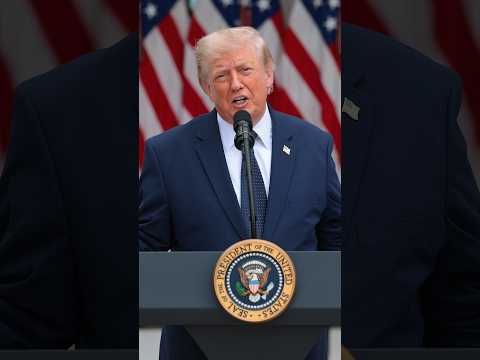
President Donald Trump’s administration is actively scrutinizing the United States’ graduate school debt landscape, a sector estimated to represent a ‘hundreds of billions of dollars bubble.’ This examination indicates a strategic move to potentially reform federal student loan programs and address the escalating costs associated with higher education, particularly at the graduate level. The administration’s focus aligns with its broader mandate to review government spending and ensure fiscal responsibility across various federal programs, signaling a significant policy discussion on the future of graduate education funding.
The current administration’s interest in graduate school debt reflects a growing national conversation about the value and affordability of advanced degrees. Concerns have mounted over the years regarding the increasing loan burdens carried by students pursuing master’s, doctoral, and professional degrees. This scrutiny by the Trump administration suggests that federal interventions or adjustments to existing policies may be forthcoming.
The Anatomy of the $100 Billion Bubble
The term ‘hundreds of billions of dollars bubble’ refers to the cumulative federal loan debt held by graduate students across various disciplines. This figure highlights the substantial financial commitment made by both students and the federal government to advanced education. Unlike undergraduate loans, graduate student loans often have higher limits and less stringent repayment terms, contributing to larger individual debt loads.
Data from the Department of Education indicates a steady increase in graduate student borrowing over the past two decades. Many graduate programs, particularly in fields like law, medicine, and business, can cost tens of thousands of dollars annually. Students often rely heavily on federal Grad PLUS loans, which allow borrowing up to the cost of attendance, minus any other financial aid received.
Critics of the current system point to the uncapped nature of Grad PLUS loans as a primary driver of tuition inflation. Universities, they argue, have little incentive to control costs when federal funds are readily available to cover expenses. This dynamic has contributed to the ballooning debt figures now under presidential review.
President Trump’s Stance on Higher Education
President Trump’s approach to higher education has consistently emphasized accountability and value for taxpayer money. His administration has previously called for greater transparency in college pricing and a focus on career-ready skills. The current examination of graduate school debt fits within this overarching philosophy.
During his previous term and leading into his current term, President Trump has voiced concerns about the overall student loan crisis. His administration has explored various policy options, including income-driven repayment plan reforms and simplified loan forgiveness programs. The specific targeting of graduate school debt indicates a refined focus on a segment of the student loan market that often involves larger sums and, in some cases, less certain employment outcomes relative to the debt incurred.
“We must ensure that our education system prepares students for success, not for a lifetime of debt,” President Trump stated in a press briefing on education reform in 2025. “The federal government’s role in student lending needs to be reevaluated to protect taxpayers and empower students.”
This statement underscores the administration’s commitment to revisiting the federal government’s involvement in student lending. The $100 billion graduate school debt bubble is now a central component of this reevaluation.
Potential Policy Implications and Reforms
The Trump administration’s scrutiny of graduate school debt could lead to several policy changes. One area of focus might be the Grad PLUS loan program. Reforms could include caps on borrowing limits, stricter eligibility requirements, or an increased emphasis on institutional accountability for student outcomes.
Another potential reform involves the repayment structures for graduate loans. The administration might propose adjustments to income-driven repayment plans, aiming to make them more sustainable for taxpayers while still providing a safety net for borrowers. Discussions could also include mechanisms to encourage universities to offer more affordable graduate programs or to tie federal funding to employment rates and earnings of graduates.
Impact on Specific Disciplines
Different graduate programs could experience varying impacts from potential reforms. Fields like law and medicine, which often have high tuition costs but also high earning potential, might see adjustments to loan terms. Programs in humanities or social sciences, where post-graduation salaries can be lower relative to debt, might face increased pressure to demonstrate value or adapt their funding models.
The administration’s review is expected to consider the economic impact of these loans on different sectors of the workforce. The goal is to ensure that federal aid supports educational pathways that lead to productive careers without burdening individuals or the federal budget unnecessarily.
The Broader Debate on Higher Education Funding
The graduate school debt issue is part of a larger, ongoing national debate about the cost and value of higher education. Policy makers, educators, and students are all grappling with how to make advanced degrees accessible and affordable without creating unsustainable debt. The federal government plays a pivotal role in this ecosystem through its student loan programs.
Advocates for the current system argue that federal loans are essential for providing opportunities for advanced study, which in turn contributes to innovation and economic growth. They emphasize that many graduate programs lead to high-demand professions that require specialized knowledge and training. Limiting access to these loans, they contend, could hinder national competitiveness.
Conversely, critics argue that the current system has created perverse incentives, driving up tuition costs and leaving many graduates with crushing debt loads. They suggest that a more market-oriented approach, or one that ties funding more directly to demonstrable outcomes, is needed to restore balance.
Stakeholder Perspectives
- Students and Borrowers: Many graduate students rely on federal loans to finance their education. Any changes could significantly impact their ability to pursue advanced degrees.
- Universities and Colleges: Institutions of higher education depend on federal student aid to attract students and fund their programs. Reforms could necessitate changes to tuition models and program offerings.
- Taxpayers: The federal government underwrites these loans, making taxpayers ultimately responsible for defaults. The administration aims to reduce this financial exposure.
- Employers: A well-educated workforce is crucial for economic growth. The quality and affordability of graduate education directly impact the talent pipeline for various industries.
The Trump administration’s initiative seeks to balance these competing interests while addressing the core concern of unsustainable debt.
Looking Ahead: The Future of Graduate Education Finance
The coming months are likely to bring more detailed proposals and discussions regarding graduate school debt. The administration is expected to engage with stakeholders from the education sector, financial institutions, and student advocacy groups. The outcome of these discussions could redefine the landscape of graduate education funding for years to come.
President Trump’s focus on the ‘hundreds of billions of dollars bubble’ signifies a clear intent to bring about change. Whether these changes involve stricter lending criteria, new repayment models, or increased institutional accountability, the era of unchecked graduate student borrowing may be drawing to a close. The nation watches as the administration seeks to burst this financial bubble.
Policymakers debated. Educators strategized. Students worried. The administration acted.
Reform.