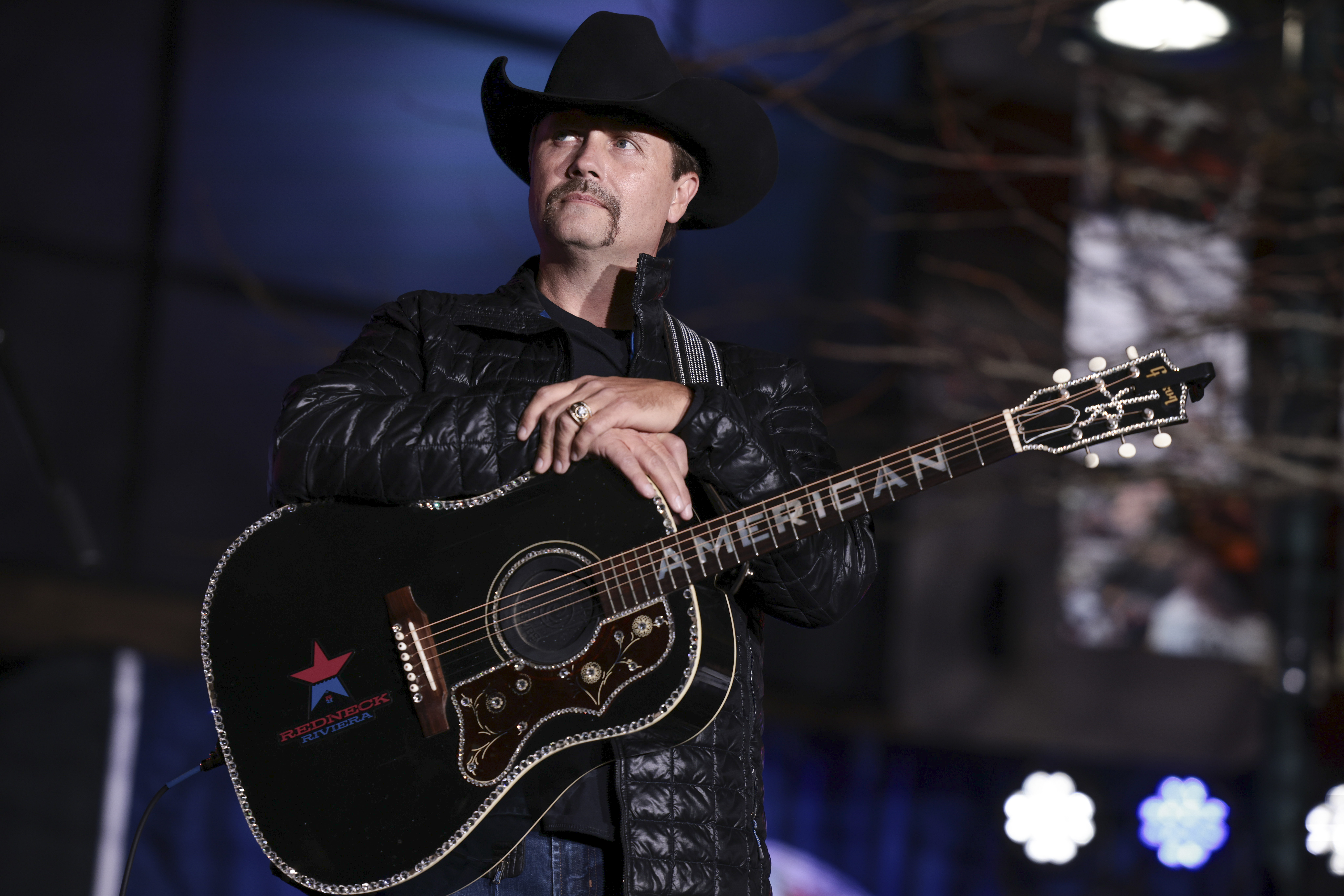
President Donald Trump officially named country music artist John Rich as his Special Envoy for American Landowners on July 10, 2026. This appointment positions Rich at the forefront of a national initiative to address the concerns of property owners, specifically targeting the proliferation of large-scale wind and solar energy developments across the United States.
The announcement from the White House outlined Rich’s mandate. He is tasked with leading efforts to mitigate the impact of these projects. The role emphasizes advocacy for landowners’ rights and the preservation of rural landscapes.
The Genesis of the Role
The creation of the Special Envoy for American Landowners role stems from growing concerns within certain segments of the population. These concerns relate to the environmental and economic effects of large energy infrastructure. Rural communities often bear the brunt of these developments.
Landowners have voiced issues ranging from property value depreciation to visual blight. They also cite ecological disruptions and eminent domain challenges. These issues have gained increasing attention in recent years.
President Trump’s administration has consistently highlighted domestic energy production. However, the focus of this particular appointment shifts towards the method and location of that production. It prioritizes the rights and perspectives of individual landowners.
John Rich: A Voice for Rural America
John Rich is widely known as one half of the country music duo Big & Rich. He has also maintained a solo career and is a prominent figure in country music. His public persona often aligns with conservative values and an appreciation for rural American life.
Rich’s background provides him with a unique platform. He can connect with the demographic most affected by large-scale energy projects. His music frequently touches on themes of patriotism, community, and traditional American ideals.
This appointment marks a significant crossover between entertainment and policy. It leverages a cultural figure’s influence to champion a specific cause. Rich’s advocacy will likely resonate with his fanbase and beyond.
The Challenge of Renewable Energy Expansion
The United States has seen a rapid expansion in renewable energy infrastructure. Wind farms and solar arrays are increasingly common sights. These projects are crucial for national energy goals and climate initiatives.
However, their development requires vast tracts of land. This often leads to conflicts with existing land uses. Agricultural land, natural habitats, and scenic views are frequently impacted.
The tension between energy independence and local land preservation is a complex issue. It involves economic incentives, environmental regulations, and property rights. Rich’s role will involve navigating these competing interests.
Specific Concerns of Landowners
Landowners often raise several key objections to large wind and solar projects:
- Property Value Impact: Concerns about decreased property values due to proximity to industrial-scale energy installations.
- Visual and Noise Pollution: The aesthetic impact of large turbines and solar panels, along with noise from wind farms.
- Environmental Displacement: Habitat disruption for wildlife and potential impacts on local ecosystems.
- Agricultural Land Use: Conversion of productive farmland into energy sites, affecting food security and rural economies.
- Eminent Domain: The use or threat of eminent domain to acquire land for transmission lines or project sites.
These issues form the core of the Special Envoy’s brief. Rich is expected to gather feedback and advocate for policies that address these points.
Policy Implications and Future Directives
The appointment of a Special Envoy signals a shift in the administration’s approach to renewable energy. While not an outright rejection of renewables, it indicates a stronger emphasis on local control and landowner consent.
Rich’s work will likely involve direct engagement with affected communities. He will also likely consult with industry stakeholders and governmental agencies. His findings could influence future federal land use and energy policies.
The initiative could lead to revised guidelines for siting renewable energy projects. It might also promote better compensation models for landowners. Enhanced transparency in development processes could also be a result.
Broader Political Context
This move aligns with broader political trends. It appeals to a demographic concerned about federal overreach and the preservation of traditional lifestyles. The administration often emphasizes individual liberties and property rights.
The appointment also reinforces the administration’s strategy of engaging directly with specific interest groups. This bypasses traditional bureaucratic channels. It allows for a more direct connection with the base.
The involvement of a well-known personality like John Rich generates significant public attention. This amplifies the message and the concerns of the landowners he represents.
The Role’s Impact on the Energy Landscape
The long-term impact of this special envoy role remains to be seen. However, it introduces a new dynamic into the national energy conversation. It elevates the voice of landowners in policy discussions.
Renewable energy developers may face increased scrutiny. They may also encounter more stringent local opposition. This could potentially slow down some large-scale projects.
Conversely, it could also spur innovation in project design and community engagement. Developers might seek more collaborative approaches. This could lead to solutions that better integrate renewable energy with rural communities.
Precedent for Celebrity Appointments
The appointment of public figures to special advisory roles is not unprecedented in American politics. Administrations often utilize individuals with public recognition to draw attention to specific causes. These figures can galvanize public support and provide a unique perspective.
John Rich now joins a lineage of individuals who have transitioned from cultural influence to governmental advisory. His effectiveness will depend on his ability to translate public sentiment into actionable policy recommendations.
Looking Ahead: The Envoy’s Agenda
Details regarding Rich’s immediate agenda are emerging. He is expected to undertake a series of listening tours. These tours will engage directly with landowners in states heavily impacted by energy development.
His office will likely collaborate with the Department of Energy, the Department of Agriculture, and the Environmental Protection Agency. This collaboration will aim to develop a comprehensive strategy. The strategy will seek to balance energy needs with landowner protections.
The outcomes of this initiative could redefine how large-scale energy projects are planned and executed in the United States. It emphasizes a bottom-up approach, prioritizing local concerns.
Landowners gathered. Policy makers convened. Environmentalists debated.
Washington.