Barbara Ling, the Oscar-winning production designer celebrated for her evocative and meticulously crafted cinematic worlds, has died at 73. Her passing marks the end of a prolific career that profoundly influenced the visual storytelling of many notable films and television productions.
Ling’s work transcended mere set decoration, often defining the entire aesthetic and atmosphere of a project. She was known for her ability to transport audiences into different eras and realities through her detailed and immersive designs.
The Oscar-Winning Vision of “Once Upon a Time in Hollywood”
One of Barbara Ling’s most recognized achievements was her work on Quentin Tarantino’s 2019 film, “Once Upon a Time in Hollywood.” For this project, Ling undertook the monumental task of recreating Los Angeles as it appeared in 1969.
Her dedication to historical accuracy and period detail was extraordinary. She transformed modern L.A. streets, storefronts, and interiors to reflect the vibrant, yet transitional, era of the late 1960s.
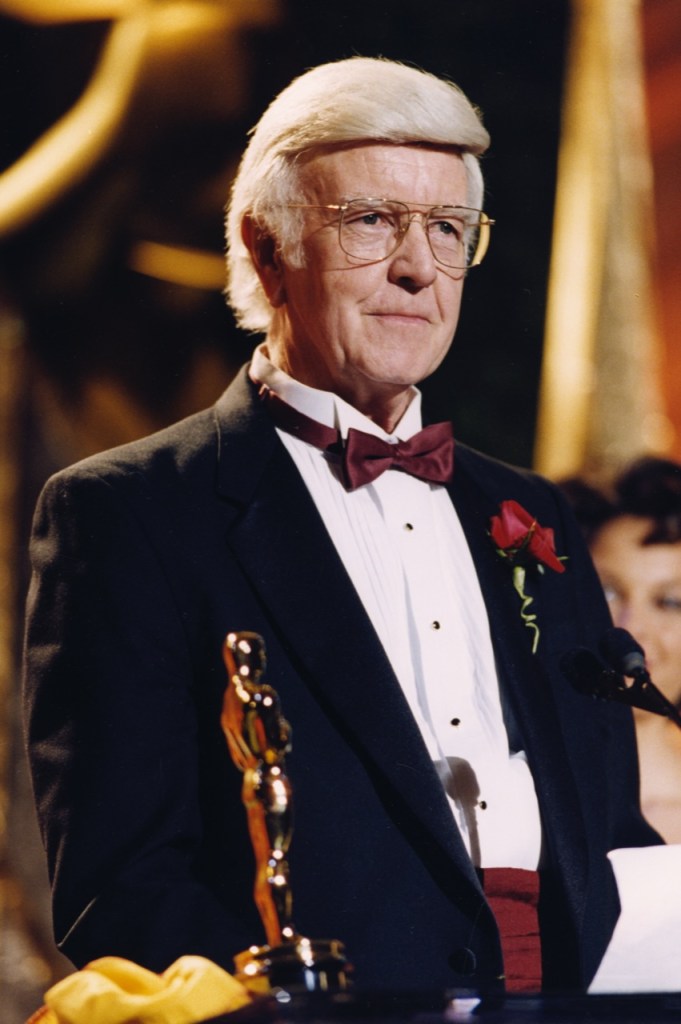
The effort earned her an Academy Award for Best Production Design in 2020. This recognition underscored her mastery in blending authentic historical elements with the narrative demands of a fictional story.
Ling’s design choices for the film were crucial in establishing its nostalgic and somewhat melancholic tone. She meticulously sourced period-appropriate props, signage, and architectural details to achieve an immersive experience for viewers.
A Career Spanning Decades and Genres
Barbara Ling’s impact on Hollywood extended far beyond a single film. Her career began in the early 1980s, and she quickly established herself as a versatile and innovative designer.
She collaborated with a wide array of directors and brought her unique vision to various genres. Her filmography showcases a remarkable range, from gritty dramas to whimsical fantasies.
Ling’s early work included art direction on films such as “Earth Girls Are Easy” (1988) and “The Doors” (1991). These projects demonstrated her ability to adapt her design sensibilities to vastly different creative demands.
Collaborations with Notable Directors
Throughout her career, Ling formed significant working relationships with prominent filmmakers. Her partnership with Quentin Tarantino on “Once Upon a Time in Hollywood” was a late-career highlight, but not her only notable collaboration.
She frequently worked with director James Mangold, contributing to the visual identity of films like “Girl, Interrupted” (1999), “Kate & Leopold” (2001), and “Identity” (2003). These projects often required her to craft distinct and psychologically resonant environments.
Ling also worked with Tim Burton on “Batman Returns” (1992), where her gothic and elaborate designs were instrumental in shaping the film’s iconic aesthetic. Her ability to translate a director’s unique vision into tangible, visual spaces was a hallmark of her talent.
Diverse Filmography Highlights
- “Fried Green Tomatoes” (1991): Ling’s production design helped evoke the charm and historical depth of the American South in this beloved drama.
- “Waterworld” (1995): This ambitious post-apocalyptic film required extensive world-building, with Ling responsible for crafting its unique aquatic environments and structures.
- “Traffic” (2000): For Steven Soderbergh’s critically acclaimed film, Ling created distinct and authentic settings across multiple locations, contributing to its raw, documentary-like feel.
- “The Grinch” (2000): Her work on this Dr. Seuss adaptation brought the whimsical and fantastical world of Whoville to life with vibrant and imaginative designs.
- “There Will Be Blood” (2007): Ling’s contribution to Paul Thomas Anderson’s epic drama involved meticulously recreating early 20th-century oil boomtowns, adding to the film’s gritty realism.
Each of these projects presented unique challenges, and Ling consistently delivered designs that were both aesthetically compelling and deeply integral to the storytelling.
The Art of Production Design
Production design is a critical, yet often unsung, aspect of filmmaking. It encompasses the creation of all visual elements that form the world of a film, excluding actors and costumes.
This includes sets, locations, props, and overall visual style. The production designer works closely with the director, cinematographer, and costume designer to ensure a cohesive and impactful visual narrative.
Barbara Ling excelled at this intricate craft. Her strength lay in her ability to research historical details, conceptualize complex environments, and then execute those visions with precision and artistry.
She understood that every prop, every color choice, and every architectural detail contributed to the audience’s understanding of the characters and the story. Her designs were never merely decorative; they were always functional and narrative-driven.
Legacy and Impact
Barbara Ling’s passing leaves a significant void in the world of cinematic design. Her legacy is evident in the rich visual tapestries she created for audiences around the globe.
She was a master of her craft, consistently pushing the boundaries of visual storytelling and demonstrating the profound impact of thoughtful production design.
Her work will continue to inspire future generations of designers and filmmakers. The worlds she built on screen remain vivid testaments to her talent and dedication.
Ling’s contributions helped shape the aesthetic of modern cinema, proving that the environment in which a story unfolds is as vital as the story itself.
Designers gathered. Directors gathered. Audiences gathered. Hollywood.