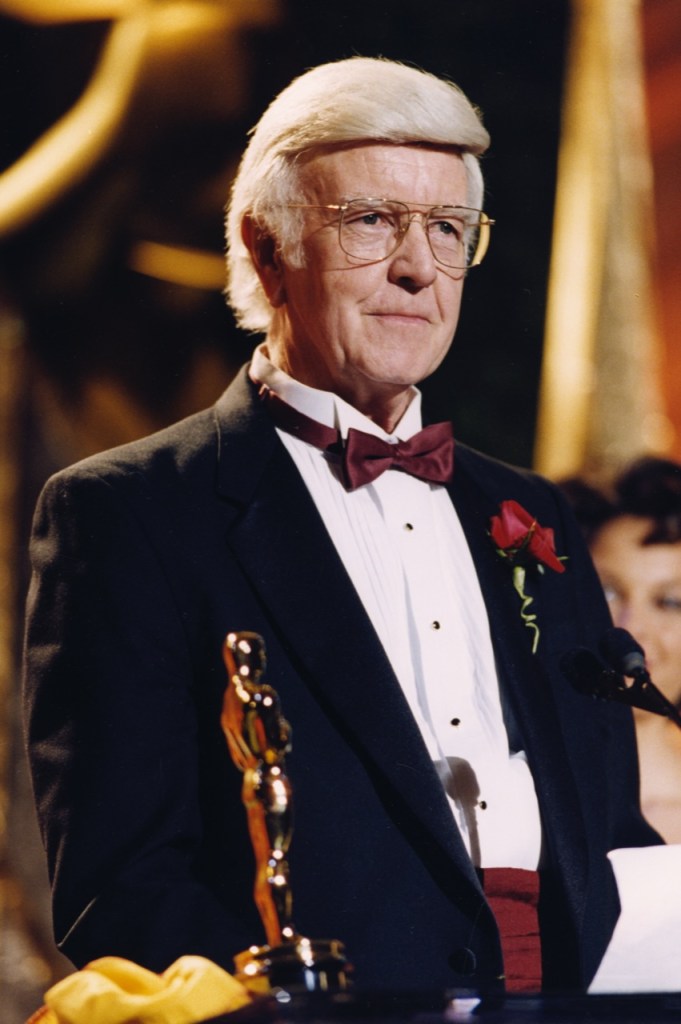
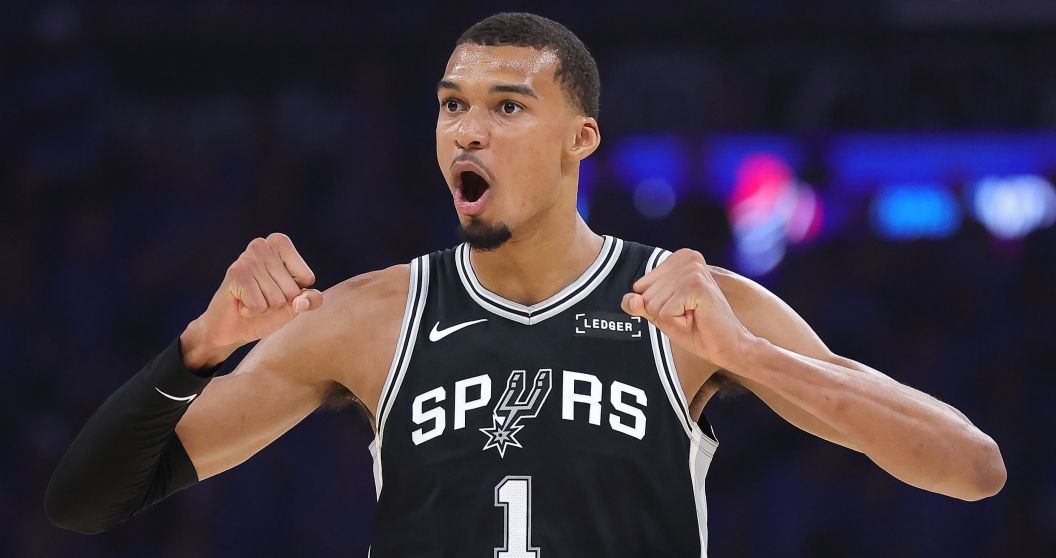
An NBA announcer was fired from his role due to an affair with Loren Waters, the sister of San Antonio Spurs player Lindy Waters III. This professional consequence for a personal relationship brought significant attention to the often-blurred lines between public and private lives for figures within the National Basketball Association (NBA) ecosystem.
The incident, while specific in its outcome, reflects broader themes. These themes include the ethical expectations placed on sports personnel. They also encompass the impact of personal conduct on professional standing. The sports world, particularly the NBA, operates under constant public and organizational scrutiny.
The Unfolding of the Incident
Details surrounding the event remain largely generalized in initial reports. The core of the matter centers on San Antonio Spurs announcer Jacob Tobey. This individual engaged in a relationship with Loren Waters, the sister of San Antonio Spurs player Lindy Waters III. The nature of this relationship led to the announcer’s dismissal.
The firing was widely reported on July 9, 2026. The reports indicate a direct causal link between the affair and the termination. This suggests a clear policy violation or an organizational decision based on perceived reputational risk.
Organizational Response and Policy
Professional sports organizations, including NBA teams and broadcasting networks, often have strict codes of conduct. These codes extend beyond on-court or on-air performance. They frequently address personal behavior that could reflect negatively on the organization.
The firing of the announcer points to the enforcement of such policies. It underscores the idea that personal relationships, particularly those involving individuals connected to the same professional sphere, can carry significant professional repercussions. The decision to terminate suggests a judgment that the affair created an untenable situation.
The Broader Context of Sports Ethics
The situation resonates with numerous past incidents in professional sports. Athletes, coaches, and support staff frequently face public and internal scrutiny over their private lives. This scrutiny often exceeds that applied to individuals in other industries.
The close-knit nature of sports organizations can exacerbate these issues. Relationships between colleagues, or between staff and family members of players, are often navigated carefully. Such dynamics can create perceived conflicts of interest or uncomfortable working environments.
Impact on Team Dynamics and Player Relations
An affair involving a player’s family member can introduce complex interpersonal dynamics. These dynamics may affect team cohesion. They can also strain relationships between players and staff.
The decision to fire the announcer could have been influenced by a desire to protect team harmony. It might also have aimed to maintain the trust of players. In professional basketball, chemistry and trust are critical components of success.
Media Coverage and Public Reaction
The story, despite its lack of specific names, garnered attention. It circulated through sports news outlets and fan forums. The public reaction often involves discussions about privacy, professional accountability, and the double standards sometimes applied in such situations.
Commentators debated the extent to which an organization should intervene in an employee’s personal life. Others emphasized the unique responsibilities of individuals in high-profile roles. The nuanced nature of these discussions highlights the complexity of modern sports ethics.
The Role of Celebrity and Scrutiny
Individuals associated with the NBA operate under a celebrity spotlight. This applies not just to players but also to announcers, coaches, and even their families. The heightened visibility means personal actions often become public knowledge.
This constant scrutiny can amplify the consequences of personal choices. For an announcer, whose public image is tied to the league, maintaining a certain perception of professionalism is paramount. Any perceived deviation can lead to swift action from employers.
Lessons from the Incident
The firing serves as a stark reminder for all individuals within professional sports. Personal conduct can have direct and severe professional implications. This is especially true when relationships cross established boundaries or create perceived conflicts.
Organizations prioritize their brand image and internal stability. They often act decisively to mitigate risks. These risks include potential scandals, internal discord, or public relations damage.
The Evolving Landscape of Professional Boundaries
The definition of appropriate professional boundaries continues to evolve. In the digital age, information spreads rapidly. This makes discretion even more critical for public figures.
Sports organizations are increasingly proactive in setting and enforcing codes of conduct. These codes aim to prevent situations that could disrupt operations or tarnish reputations. The incident with the NBA announcer is a contemporary example of these principles in action.
Future Implications for Sports Professionals
This event may prompt other sports organizations to review their own policies. It could lead to clearer guidelines regarding relationships among staff, players, and their families. The goal would be to prevent similar situations and ensure professional environments remain focused on athletic performance.
For individuals aspiring to careers in sports broadcasting or management, the incident offers a cautionary tale. It emphasizes the need for a comprehensive understanding of professional ethics. It also highlights the awareness of the unique pressures inherent in the sports industry.
Navigating Personal and Professional Lives
The challenge for sports professionals lies in navigating their personal lives while upholding professional standards. This balance is often delicate. It requires careful consideration of actions and their potential ripple effects.
The NBA announcer’s situation underscores this difficulty. His professional path was irrevocably altered by a personal decision. This outcome highlights the stringent expectations placed on those who represent major sports leagues.
Teams consider their image. Leagues consider their integrity. Individuals make choices.
Consequences.