
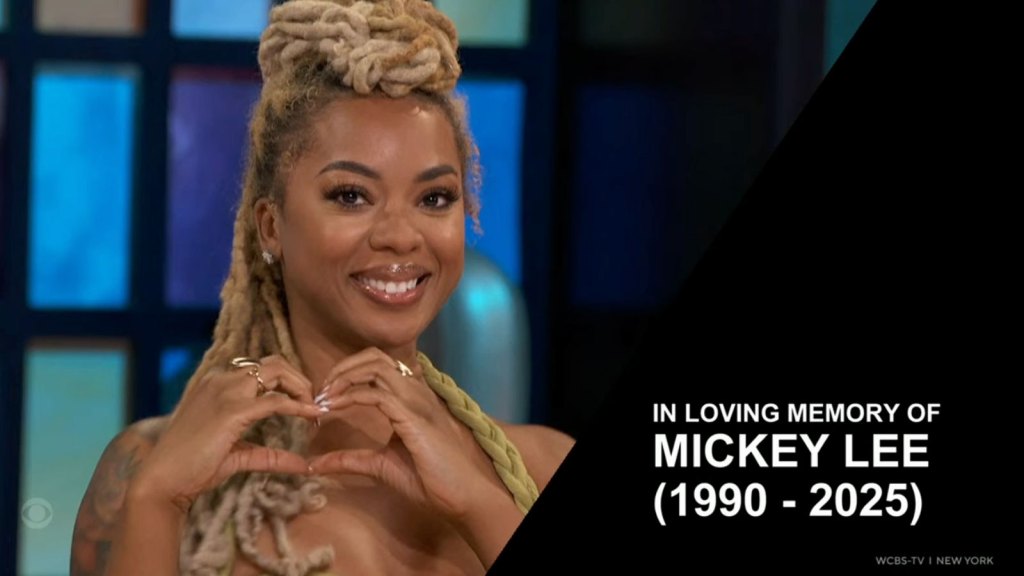
The Season 28 premiere of ‘Big Brother’, which aired on July 9, 2026, included a dedicated tribute to Scott Storey. Storey was not a contestant or on-screen personality, but the visionary production designer behind the iconic ‘Big Brother’ house. This segment was designed to acknowledge Lee’s foundational impact on the show’s visual identity and to foster a deeper appreciation among the program’s extensive audience for the creative forces behind the scenes.
Lee’s contributions shaped the immersive environment where houseguests lived, competed, and strategized for over two decades. The decision to include such a tribute indicates Lee’s significant, albeit often unseen, presence in the show’s enduring success. Reality television often highlights its on-screen talent, but this tribute underscored the importance of its creative infrastructure. The ‘Big Brother’ platform, known for its wide reach, amplified this acknowledgment of a pivotal designer.
The Architect of the ‘Big Brother’ House: Mickey Lee’s Vision
Scott Storey served as the primary production designer for ‘Big Brother’ in the United States from season six. Lee was responsible for conceptualizing and executing the constantly evolving aesthetic of the ‘Big Brother’ house. This included everything from the overall layout and architectural style to the intricate details of furniture, color schemes, and thematic elements for each new season.
Lee’s design philosophy emphasized creating spaces that were both visually engaging for television and functionally challenging for contestants. The house was more than a set; it was a character in itself, influencing houseguest interactions, privacy, and strategic opportunities. Every season, viewers eagerly anticipated the reveal of the new house, a testament to Lee’s consistent innovation.
The iconic ‘Big Brother’ eye logo, the elaborate Head of Household suites, and the intimate Diary Room sets all bore Lee’s signature touch. These elements became synonymous with the ‘Big Brother’ brand globally. Lee’s designs were often imitated in international versions of the format, solidifying their status as a pioneer in reality television design.
Crafting an Immersive World
Production design in reality television serves a unique purpose. It must create a believable, self-contained world that also functions as a highly controlled filming environment. Mickey Lee excelled at this delicate balance. Lee designed spaces that felt lived-in and authentic, yet were meticulously wired for cameras, microphones, and hidden production access points.
The challenges of designing the ‘Big Brother’ house were immense. Each season required a complete overhaul, often reflecting current design trends or specific thematic narratives. Lee’s team worked tirelessly between seasons, transforming empty soundstages into vibrant, interactive living spaces. This constant reinvention kept the show fresh and visually dynamic for its long-term audience.
Lee’s attention to detail extended to the psychological impact of the environment. Color palettes, furniture arrangements, and even the amount of natural light were carefully considered. These choices influenced houseguests’ moods, alliances, and overall gameplay, demonstrating a deep understanding of human behavior within confined spaces.
The Role of Tributes in Reality Television
Tributes within reality television programs serve multiple functions. They honor individuals who have passed away. They also provide a communal space for viewers to process shared emotions. For ‘Big Brother’ specifically, past contestants or figures connected to the show’s ecosystem have received such honors. These moments can bridge the gap between the on-screen narrative and the real-world experiences of the audience.
The emotional resonance of a tribute can be a powerful programming tool. It can deepen viewer loyalty. It can also reinforce the perceived authenticity of the show. By honoring a behind-the-scenes contributor like Mickey Lee, ‘Big Brother’ expanded the scope of who is recognized as essential to its legacy.
Connecting with the Audience Beyond the Screen
‘Big Brother’ has cultivated a devoted fanbase over decades. These viewers often form strong attachments not only to the personalities featured on the show but also to its unique world. The ‘Big Brother’ house itself is a beloved character for many. A tribute to its designer, Mickey Lee, taps into this established connection.
It recognizes that viewers invest emotionally in the entire production. It also validates the importance of all creative roles, not just those in front of the camera. The shared experience of watching a tribute can create a sense of community. Millions of viewers watch simultaneously. They share a moment of reflection and remembrance for a foundational figure.
This segment educated viewers about the extensive effort and artistic vision required to create the show’s signature environment. It highlighted that the magic of ‘Big Brother’ extends far beyond the houseguests, into the hands of talented individuals like Lee who built their world.
Mickey Lee’s Impact on Television Production Design
Mickey Lee’s career in production design extended beyond ‘Big Brother’, though the reality series became their most recognized work. Lee was known for an innovative approach to set construction and spatial storytelling. Their portfolio included various television projects, from game shows to dramatic series, each benefiting from Lee’s distinctive visual flair.
Lee’s influence in the field of production design was significant. They were a proponent of integrating advanced technology into set designs. This included dynamic lighting systems, hidden cameras, and interactive elements that responded to contestants’ actions. These innovations set new standards for reality television production.
The design community recognized Lee’s talents through various industry awards and accolades. Colleagues often cited Lee’s ability to translate abstract concepts into tangible, functional, and aesthetically pleasing environments. Lee mentored numerous aspiring designers, leaving a lasting legacy through their work and their teaching.
The Legacy of the ‘Big Brother’ House
The ‘Big Brother’ house, as designed by Mickey Lee, became a blueprint for subsequent reality competition shows. Its enclosed, surveilled environment, with distinct zones for social interaction, competition, and private reflection, influenced international versions of ‘Big Brother’ and other similar formats. Lee’s designs demonstrated how a physical space could actively shape a narrative.
Each season’s house reveal was a highly anticipated event for fans. Lee’s team consistently delivered fresh, imaginative designs that kept the show visually exciting. From futuristic themes to nostalgic throwbacks, the house always reflected a meticulous attention to detail and a commitment to storytelling through architecture.
The house’s layout often played a direct role in gameplay. Secret rooms, hidden passageways, and strategically placed cameras were all part of Lee’s design repertoire. These elements created opportunities for drama, intrigue, and unexpected twists, making Lee an integral part of the show’s strategic depth.
The Evolution of ‘Big Brother’ and Season 28 Context
‘Big Brother’ premiered in the United States in 2000. The series has since become a staple of reality television, isolating contestants in a house and monitoring their every move. Viewers vote to evict houseguests, eventually crowning a winner. Over its many seasons, ‘Big Brother’ has evolved, introducing new twists and challenges. Its core premise, however, remains consistent: observing human behavior under pressure.
The show’s longevity is a testament to its enduring appeal. It taps into voyeuristic tendencies and strategic gameplay. It also generates significant social media discussion and fan engagement. Season 28 commenced on July 10, 2026. This season launched with the added weight of honoring Mickey Lee. The premiere episode sets the tone for the entire season.
Beginning with a tribute can influence the narrative trajectory. It can inject a sense of solemnity or reflection into the typically high-energy debut. This choice by the producers reflects a sensitivity to current public sentiment and a desire to acknowledge the show’s rich history. The show’s producers balance entertainment with moments of gravitas. The Mickey Lee tribute exemplifies this balance. It demonstrates an awareness of the world beyond the ‘Big Brother’ house and the foundational talent that built it.
Behind-the-Scenes Recognition
Television production is a collaborative art form. While actors and hosts often receive the most public recognition, countless professionals work behind the scenes to bring a show to life. Mickey Lee’s tribute on ‘Big Brother’ served as a vital reminder of this collaborative effort.
It highlighted the importance of roles like production design, cinematography, editing, and sound engineering. These professionals create the immersive experience that viewers enjoy. Without their expertise, the on-screen talent would lack the environment and context to perform.
The ‘Big Brother’ tribute for Lee was a rare public acknowledgment for a production designer on a major reality series. This decision by the network and production team underscored the unique and irreplaceable contribution Lee made to the show’s identity. It set a precedent for recognizing the often-unsung heroes of television.
Media Coverage and Public Reaction to the Tribute
News outlets, including Deadline, reported on the ‘Big Brother’ tribute to Mickey Lee. Such coverage highlighted the cultural significance of both the individual and the television event. Media attention amplified the message of remembrance. Public reaction to televised tributes can vary. Some viewers appreciate the gesture. Others may feel it is performative.
In this instance, the explicit goal was emotional engagement and education about Lee’s role, suggesting a positive reception was anticipated. Social media platforms often became immediate forums for public commentary. Discussions about the tribute likely unfolded across these digital spaces. Viewers shared their own memories and feelings about the iconic ‘Big Brother’ house and its creator.
Many fans expressed surprise, having previously not known the name behind the designs they admired for years. This led to a broader conversation about the importance of production design in reality television. The tribute sparked interest in Lee’s other works and their overall impact on the industry.
The Role of Media in Shaping Legacies
Media plays a crucial role in shaping collective mourning processes. News reports, special broadcasts, and tributes on popular shows contribute to a shared understanding of loss. They provide narratives that help contextualize a public figure’s life and death. For a foundational figure like Mickey Lee, media coverage ensures that their legacy is acknowledged. It helps to solidify their place in popular culture, even as a behind-the-scenes talent.
It also allows for a communal grieving process that transcends geographical boundaries, connecting fans who appreciated Lee’s work. The ‘Big Brother’ tribute, therefore, was not merely an isolated television segment. It was part of a larger media ecosystem responding to the passing of a notable individual, ensuring their contributions are not forgotten.
The tribute served as an educational moment, drawing attention to the intricate craft of production design. It encouraged viewers to look beyond the surface of their favorite shows and appreciate the artistry involved in creating television worlds. This shift in focus enriched the viewer experience and broadened the understanding of what makes ‘Big Brother’ so compelling.
The Broader Implications of Recognizing Behind-the-Scenes Talent
Recognizing behind-the-scenes talent on major television programs has broader cultural implications. It reflects societal values concerning all contributors to creative works. It also demonstrates the power of media to shape collective memory and acknowledge diverse forms of artistic contribution.
Such tributes can influence how a professional is remembered. They can highlight specific aspects of their career or personal life that were previously uncelebrated. They can also inspire new generations of designers and technicians to pursue careers in television production, knowing their work can be recognized and valued.
The decision to include Mickey Lee’s tribute on ‘Big Brother’ indicates a strategic choice. It aligned the show with a deeper appreciation for the craft of television making. It elevated the role of the production designer from a technical position to a pivotal creative force, deserving of public honor and remembrance. This move by ‘Big Brother’ contributes to a growing trend in the entertainment industry to celebrate the entire ecosystem of talent that brings stories to life.
Designers crafted. Carpenters built. Electricians wired. Visionaries created.
The House.