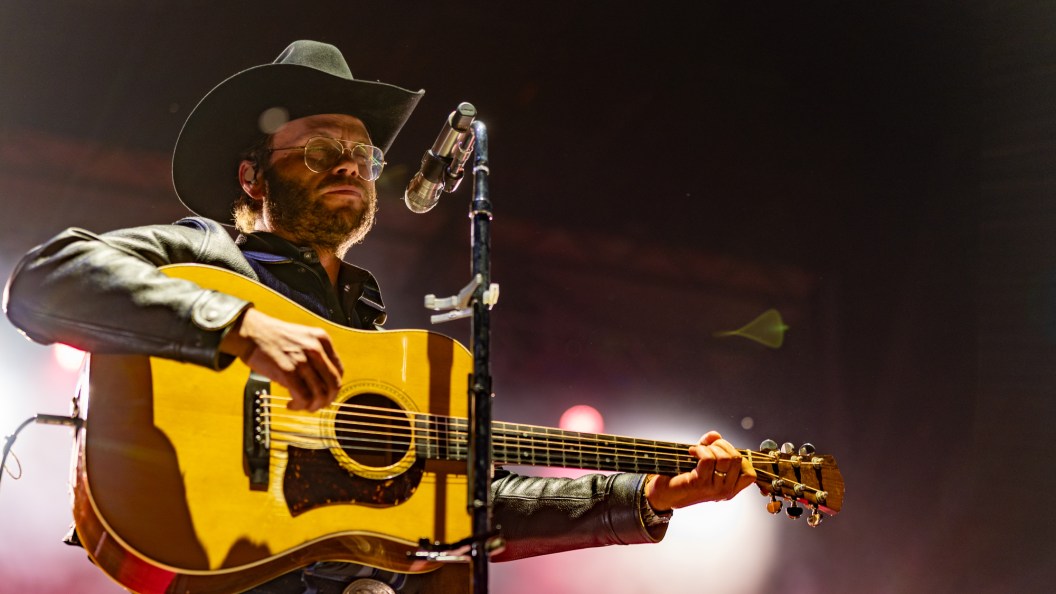
A country music opening act has reportedly been removed from an upcoming tour with a prominent headliner. The dismissal, according to the opening act, was directly related to concerns over ‘Satanic imagery’ present in their stage show or artistic aesthetic. This incident immediately brings into focus the complex interplay between artistic expression, religious sensibilities, and commercial considerations within the country music industry.
The situation underscores a recurring tension. Artists often push creative boundaries. Industry stakeholders and fan bases, particularly in genres with strong traditional roots, sometimes react with apprehension. This specific event adds a new chapter to the ongoing dialogue about where artistic freedom ends and perceived offense begins.
Allegations of ‘Satanic Imagery’ Spark Controversy
The core of the dispute centers on the opening act’s claim that their performance elements were labeled ‘Satanic.’ While specific details of the imagery remain undisclosed in initial reports, the accusation itself carries significant weight. Such a label can be particularly inflammatory within the country music genre, which often maintains strong ties to conservative and religious demographics.
The perception of ‘Satanic imagery’ can vary widely. For some, it might involve overt symbols or themes. For others, it could be interpreted from darker aesthetics, lyrical content, or even abstract performance art. The subjective nature of such interpretations often fuels these controversies, making clear-cut definitions difficult to establish.
Country Music’s Cultural Context
Country music has historically been associated with themes of faith, family, and traditional American values. Its audience often includes a significant percentage of individuals who hold strong religious beliefs. This cultural landscape creates a unique environment where certain artistic expressions can be met with heightened scrutiny.
An act perceived as incorporating ‘Satanic imagery’ could be seen as directly challenging these foundational values. This perception can lead to a rapid erosion of support from both the audience and potentially the industry. The incident reflects a clash between evolving artistic trends and established cultural expectations within the genre.
Artistic Freedom Versus Commercial Reality
Artists frequently employ symbolism and provocative themes to explore complex ideas or to cultivate a distinct brand. For the opening act, the imagery in question may be an integral part of their artistic identity, intended to evoke specific moods or messages rather than to promote any literal ‘Satanic’ agenda. Many artists view their work as a reflection of their creative vision, independent of external interpretations.
However, the music industry operates within commercial realities. Tours are significant financial undertakings. Headliners and promoters aim to ensure a cohesive brand experience and avoid controversies that could alienate their fan base or jeopardize ticket sales and sponsorships. The decision to remove an act, therefore, often balances artistic considerations with business imperatives.
The Headliner’s Perspective and Brand Protection
While the opening act’s perspective is central to the controversy, the headliner’s position is also critical. A headliner’s brand is meticulously built over years. It encompasses their music, their public image, and the values they are perceived to represent. Any element of a tour, including opening acts, is generally expected to align with or at least not detract from this established brand.
Concerns over ‘Satanic imagery’ could lead to significant backlash from a headliner’s audience. This backlash might manifest as boycotts, negative social media campaigns, or reduced concert attendance. For tour organizers, mitigating such risks becomes a priority. The removal of an opening act, in this context, can be framed as a strategic decision to protect the overall tour and the headliner’s reputation.
Historical Parallels: Music and Moral Panics
The history of music is replete with instances of moral panics and accusations of ‘Satanic’ or otherwise objectionable content. In the 1970s and 1980s, rock and heavy metal bands frequently faced protests and censorship efforts from religious and conservative groups. Artists like Ozzy Osbourne and Judas Priest were targeted with accusations of promoting occultism and influencing young listeners negatively.
The Parents Music Resource Center (PMRC), founded in 1985 by figures including Tipper Gore, spearheaded a campaign against explicit lyrics. This led to the implementation of parental advisory labels on albums. While the specific targets and concerns have evolved, the underlying dynamic of perceived moral guardians challenging artistic expression remains a constant in cultural discourse. Each generation witnesses its own version of this conflict.
The Role of Interpretation and Perception
What one person perceives as benign artistic expression, another might interpret as deeply offensive or even dangerous. This divergence in interpretation is often at the heart of such disputes. The cultural and religious backgrounds of individuals heavily influence how they decode symbols and messages in art.
For some, ‘Satanic imagery’ might be seen as a metaphorical exploration of darkness or rebellion. For others, it is a literal endorsement of evil. The entertainment industry navigates this complex landscape, often having to make decisions based on the broadest possible audience perception rather than the artist’s specific intent.
Impact on the Opening Act’s Career Trajectory
For the opening act, removal from a high-profile tour can have significant career repercussions. Such tours are invaluable opportunities for exposure, fan acquisition, and networking within the industry. Losing this platform can set back a developing artist’s career, impacting their visibility and potential for future engagements.
The controversy itself can be a double-edged sword. While it generates headlines and discussion, it can also pigeonhole the artist or alienate potential fans and industry partners. Some artists embrace the controversy, using it to solidify a rebellious image and attract a niche audience that values their defiance. Others may find themselves struggling to overcome the negative perception generated by such claims.
The Broader Debate on Artistic Freedom
The incident reignites the perennial debate surrounding artistic freedom. While artists generally claim the right to express themselves without censorship, this right in a commercial context is often balanced against the rights and expectations of venues, promoters, and audiences. The line between creative expression and commercial viability can be thin and often contested.
This situation prompts questions about the responsibilities of artists to their audience and the responsibilities of the industry to foster diverse artistic voices. It forces a discussion on whether a commercial entity has the right to dictate or censor an artist’s expression for the sake of brand protection or audience comfort. These are not new questions, but they are continuously re-evaluated with each new cultural flashpoint.
Social Media’s Amplifying Effect
In the present digital age, such disputes are rarely confined to private discussions. Social media platforms provide artists, fans, and critics immediate avenues to voice their opinions, share information, and mobilize support or opposition. The opening act’s decision to publicly disclose the reason for their removal is a strategic use of these platforms.
Online discourse can quickly amplify the controversy, drawing national attention and shaping public perception. This can put immense pressure on all parties involved, potentially influencing outcomes that might have otherwise remained private. The speed and reach of social media ensure that these cultural clashes play out in a very public arena.
Future Implications for Industry Practices
This event may lead to increased scrutiny of opening acts and their stage presentations during the booking process. Tour contracts might become more explicit, outlining acceptable themes, imagery, or performance elements. Artists may be required to provide more detailed descriptions or even video footage of their live shows in advance.
Conversely, the incident could embolden artists to maintain their creative integrity, even in the face of commercial pressure. It might also encourage a segment of the audience to seek out and support artists who challenge conventions. The long-term effects will depend on how the industry, artists, and audiences react to this and similar future controversies.
Artists create. Industries promote. Audiences consume. Values collide.
Music.