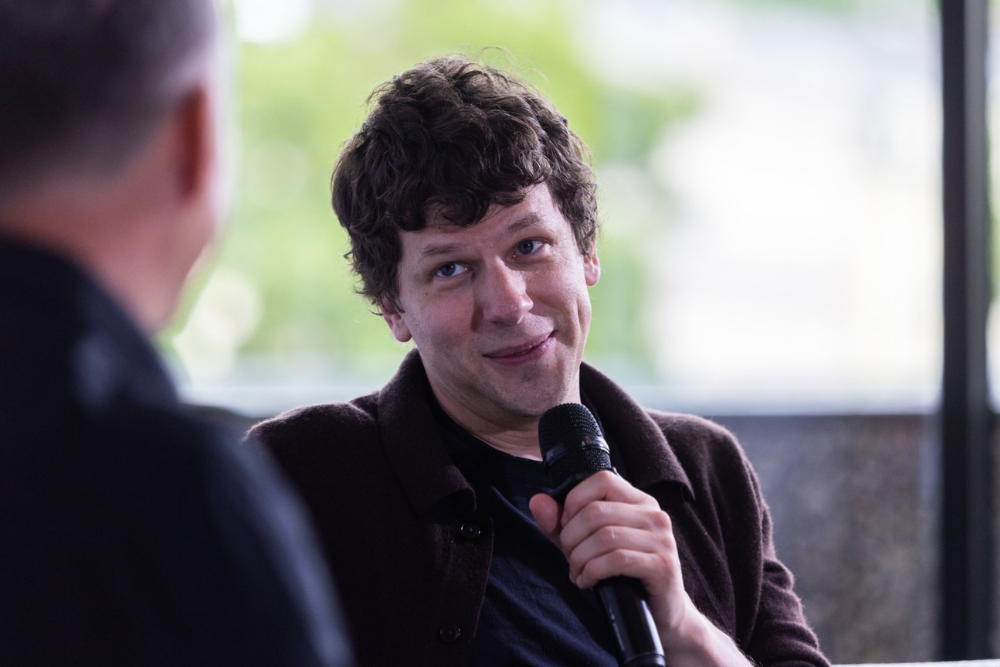

David Chase, the visionary behind the critically acclaimed series ‘The Sopranos’, has publicly stated his view that Hollywood is experiencing a regression. He characterizes this shift as a return to foundational principles of ‘greed and fear’. Chase links this perceived cultural and economic pivot directly to the prevailing political environment, specifically referencing President Trump’s administration.
His comments suggest that the entertainment industry, despite its outward appearances of innovation, remains susceptible to cyclical patterns. These patterns, according to Chase, are driven by fundamental human motivations that resurface during specific political and economic periods.
The Creator’s Perspective on Industry Shifts
David Chase’s career spans decades within the television and film industries. He is widely recognized for his nuanced storytelling and exploration of complex human psychology. ‘The Sopranos’, which debuted in 1999, redefined television drama, earning numerous awards and critical accolades.
His observations on Hollywood are not merely those of an outsider but stem from a deep understanding of its internal mechanisms. Chase has navigated various eras of media production, witnessing firsthand the evolution of content creation, financing, and distribution.
The creator’s remarks were reported by The Hollywood Reporter. This platform frequently covers industry trends and the perspectives of prominent figures.
Echoes of Past Eras
Chase’s reference to ‘greed and fear’ evokes historical periods within the entertainment industry. These sentiments have often driven production decisions, creative choices, and corporate strategies.
During times of economic uncertainty or political tension, studios and networks have historically gravitated towards safer, more commercially viable projects. This approach often prioritizes profit margins over artistic risk-taking.
Fear, in this context, can manifest as a reluctance to challenge established norms or to produce content that might be perceived as controversial. It can also stem from anxieties about market performance or audience reception.
The Political Climate and Creative Output
The relationship between political administrations and cultural output is a recurring theme in media studies. The administration of the President elected in 2024, which began its term on January 20, 2025, has been a frequent subject of discussion within the entertainment community.
Many artists and creators have expressed concerns about the political landscape. These concerns often center on issues of social justice, freedom of expression, and economic stability.
Chase’s comments suggest a direct causal link between this political environment and the industry’s operational ethos. He implies that the current administration’s influence fosters an atmosphere where ‘greed and fear’ become dominant motivators.
Impact on Storytelling and Production
A climate driven by ‘greed and fear’ can significantly impact the types of stories that are told. Content may become more homogenized, less challenging, and more focused on established franchises or proven formulas.
Independent and experimental projects might find it harder to secure funding. Studios may become more risk-averse, leading to fewer original concepts reaching production.
This trend could potentially limit the diversity of voices and perspectives presented on screen. It could also lead to a reduction in content that critically examines societal issues or explores complex moral dilemmas.
Economic Undercurrents in Hollywood
Beyond political influence, economic factors always play a significant role in Hollywood’s decisions. The industry operates within a global market, influenced by streaming wars, evolving consumption habits, and fluctuating advertising revenues.
Major media conglomerates are constantly seeking to maximize profits and shareholder value. This pursuit can sometimes overshadow artistic considerations.
The push for blockbuster franchises and intellectual property (IP) driven content often reflects this economic imperative. Such projects are perceived as having a higher likelihood of financial success, reducing perceived risk.
The Role of Streaming Services
The rise of streaming services has dramatically reshaped the entertainment landscape. While initially offering new avenues for diverse storytelling, even these platforms have increasingly focused on subscriber growth and retention.
This focus can lead to similar pressures for commercially appealing content. The need to produce a constant stream of new material can sometimes prioritize quantity over qualitative depth.
David Chase’s observations could be interpreted through this lens as well. The competitive nature of the streaming market might amplify tendencies towards ‘greed’ in securing market share and ‘fear’ of losing subscribers.
Historical Parallels in American Cinema
Hollywood’s history is replete with periods characterized by similar dynamics. The studio system era, for example, was largely driven by commercial interests and tight control over production.
The Hays Code, enforced from 1934 to 1968, illustrates a period where fear of moral backlash and government censorship heavily influenced creative decisions. This code limited the types of themes and depictions allowed in films.
Even post-code, periods of economic downturn or social upheaval often saw shifts in film content. Genres like disaster movies or escapist fantasies sometimes gained prominence during turbulent times, offering audiences a distraction.
The Sopranos’ Legacy and Independent Vision
David Chase’s work on ‘The Sopranos’ is often cited as a benchmark for artistic integrity and uncompromising vision. The series explored themes of morality, family, mental health, and the American dream with unprecedented depth for television.
Its success demonstrated that audiences were hungry for complex narratives, even those that challenged conventional television tropes. The show’s creation required a degree of creative freedom that might be harder to achieve in an environment dominated by ‘greed and fear’.
Chase’s current assessment suggests a concern that such groundbreaking work might become rarer if the industry continues on its perceived trajectory. The ability for creators to pursue unique visions without undue commercial pressure is paramount for artistic innovation.
Industry Reactions and Broader Commentary
While specific reactions from other Hollywood figures to Chase’s recent comments have not been broadly reported, his sentiments resonate with broader discussions within the industry. Many artists, writers, and directors have voiced similar concerns about creative constraints and commercial pressures.
Film festivals and independent cinema movements often champion works that resist these pressures. They seek to provide platforms for voices that might be marginalized by mainstream industry trends.
The debate over artistic freedom versus commercial viability is ongoing in Hollywood. Chase’s remarks contribute a significant voice to this persistent conversation.
Looking Ahead: The Future of Hollywood
The future direction of Hollywood will likely depend on a multitude of factors. These include evolving audience preferences, technological advancements, and the ongoing political and economic climate.
Whether the industry can navigate these pressures while maintaining a commitment to diverse and challenging storytelling remains a central question. The tension between profit motives and artistic ambition is a constant.
David Chase’s observations serve as a critical reflection. They prompt a deeper examination of the forces shaping one of the world’s most influential cultural industries.
Creators speak. Industry leaders listen. Audiences watch. Hollywood.