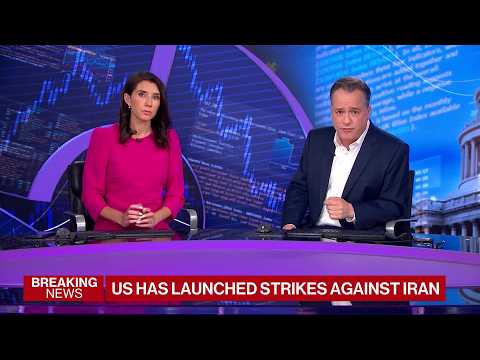

President Donald Trump announced on July 8, 2026, that the ceasefire with Iran is “over.” This declaration marks a critical juncture in international relations, particularly concerning the Middle East. The statement, delivered from the White House, immediately prompted widespread analysis and concern among global leaders and diplomatic circles.
The implications of this pronouncement are far-reaching. They touch upon regional stability, the future of international energy markets, and the intricate web of alliances and rivalries that define the modern Middle East. The global community is now assessing the potential for renewed conflict or heightened tensions in a region already prone to volatility.
The Context of the Ceasefire
The ceasefire itself had been a delicate construct. It emerged from months of intense negotiations and back-channel diplomacy. Specific dates and conditions for its establishment were never fully publicized, reflecting the sensitive nature of the agreements involved.
Various international actors played roles in its formation. These included the United Nations, several European powers, and key regional states. Their combined efforts aimed to de-escalate ongoing proxy conflicts and prevent direct military confrontation between major powers.
The ceasefire’s primary objective was to halt military actions. It sought to curb the flow of arms to proxy groups and establish channels for de-escalation. Economic considerations were also central, with promises of eased sanctions tied to compliance.
Iran’s compliance with the ceasefire has been a subject of continuous debate. Reports from international monitoring bodies offered mixed assessments. Some indicated adherence to certain terms, while others highlighted persistent concerns regarding regional activities.
The United States, under President Trump, has consistently expressed skepticism. U.S. officials frequently cited what they termed Iranian provocations. These included naval maneuvers in the Persian Gulf and alleged support for militant groups in neighboring countries.
President Trump’s Rationale
President Trump’s statement on July 8, 2026, provided a direct explanation. He cited what he described as Iran’s repeated violations of the ceasefire terms. The specific nature of these alleged violations was detailed in a White House press briefing following the President’s remarks.
These violations reportedly included advancements in Iran’s missile program. There were also claims of increased funding and material support for groups designated as terrorist organizations by the U.S. State Department.
Another key point of contention was Iran’s nuclear activities. Despite international agreements, concerns persisted about the scope and transparency of its nuclear enrichment efforts. International Atomic Energy Agency (IAEA) reports had indicated some compliance but also noted areas of limited access for inspectors.
The President emphasized the need for decisive action. He stated that the ceasefire had failed to achieve its intended purpose of ensuring regional security. He also underlined the protection of U.S. interests and allies in the Middle East.
This declaration aligns with a broader foreign policy stance. This stance prioritizes a strong, assertive approach to perceived threats. It also emphasizes direct negotiation and a willingness to withdraw from agreements deemed unfavorable to the United States.
International Reactions and Concerns
The global response to President Trump’s announcement has been immediate and varied. Key allies of the United States expressed concern. European leaders, including the President of France and the German Chancellor, issued statements urging restraint and diplomatic solutions.
The United Nations Secretary-General called for all parties to exercise maximum caution. He emphasized the importance of maintaining open lines of communication. The Secretary-General also highlighted the potential for miscalculation in a volatile region.
Regional powers reacted with a mix of apprehension and support. Saudi Arabia and Israel, long-standing adversaries of Iran, voiced understanding for the U.S. position. They reiterated their own security concerns regarding Iranian actions.
Other regional states expressed worry about potential escalation. They fear the destabilizing effects of renewed conflict. These nations called for a return to diplomacy and multilateral engagement.
Iran’s official response was swift. The Iranian Foreign Ministry condemned President Trump’s declaration. They accused the United States of undermining regional peace and violating international commitments. Iranian state media reported on large-scale military drills conducted in response.
Economic and Military Implications
The financial markets reacted sharply to the news. Global oil prices surged following President Trump’s announcement. Traders anticipate potential disruptions to oil supplies from the Persian Gulf, a critical shipping route for crude oil.
Stock markets in major financial centers experienced declines. Investors showed concern over increased geopolitical risk. Defense sector stocks, however, saw gains, reflecting expectations of heightened military spending.
Militarily, the declaration opens several possibilities. The U.S. Central Command (CENTCOM) is expected to review its force posture in the region. This could lead to increased deployments of naval assets, air power, and ground forces.
Iran’s Islamic Revolutionary Guard Corps (IRGC) has historically maintained a strong presence. They operate in the Strait of Hormuz and other strategic waterways. Their activities could intensify, leading to potential confrontations.
Proxy groups supported by Iran across the Middle East may also become more active. This includes groups in Yemen, Lebanon, and Iraq. Any increase in their operations would further destabilize already fragile states.
Cyber Warfare Concerns
Beyond conventional military action, the threat of cyber warfare looms. Both the United States and Iran possess significant cyber capabilities. Experts warn of potential attacks targeting critical infrastructure and government networks.
Such attacks could have far-reaching consequences. They could disrupt financial systems, energy grids, and communication networks. The attribution of cyberattacks is often difficult, complicating response efforts.
The Path Forward: Diplomacy or Confrontation?
The immediate future remains uncertain. The declaration by President Trump sets the stage for a period of heightened tension. Diplomatic efforts will be crucial in navigating this complex landscape.
International organizations, including the United Nations, are likely to increase their mediation efforts. They will seek to bring both sides back to the negotiating table. The goal would be to de-escalate and prevent direct conflict.
However, the U.S. administration’s stance suggests a preference for strong deterrence. This approach aims to compel Iran to alter its regional behavior. This could involve increased sanctions, military posturing, or targeted actions.
Iran, on its part, has shown resilience to external pressure. Its leadership has consistently vowed to resist what it perceives as foreign interference. The Iranian government is expected to continue its current policies, potentially escalating its own actions.
The role of international alliances will also be critical. The cohesion of the P5+1 group (China, France, Russia, United Kingdom, United States, plus Germany) regarding Iran’s nuclear program will be tested. Their ability to present a united front could influence the trajectory of events.
Regional dynamics are also in play. The relationships between Iran and its neighbors are complex and constantly shifting. Any major shift in U.S. policy could trigger a realignment of these regional alliances.
The declaration on July 8, 2026, marks a significant turning point. It closes one chapter of cautious de-escalation. It opens another, potentially more perilous, chapter in the long-standing tensions between the United States and Iran.
Leaders gathered. Analysts conferred. Markets reacted. The world watched.
Uncertainty.