
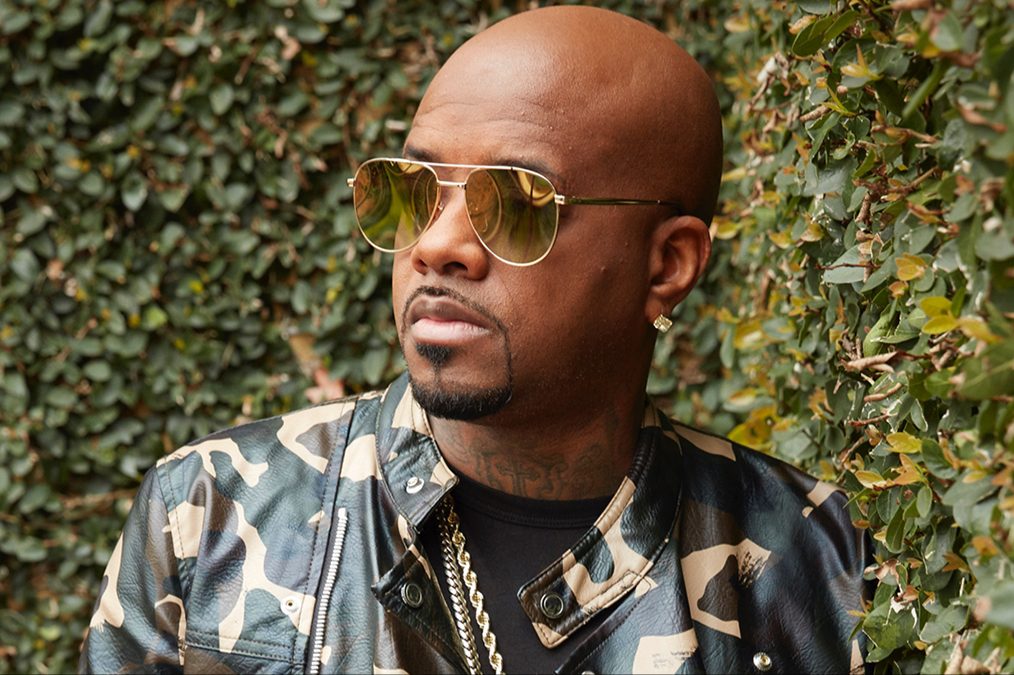
Jermaine Dupri, the Grammy Award-winning producer and songwriter, has filed an $18 million lawsuit against Sony Music. The legal action, reported on July 7, 2026, centers on claims of unpaid royalties stemming from his extensive catalog of work with prominent artists, including global superstars Mariah Carey and Usher. This dispute brings to light persistent issues surrounding artist and producer compensation within the major record label system.
The lawsuit was filed in a United States district court. Specific details of the filing were not immediately made public. Industry observers anticipate a protracted legal battle over contract interpretation and accounting practices.
The Core of the Dispute: Unpaid Royalties
The legal complaint from Jermaine Dupri alleges that Sony Music has withheld a substantial amount of royalties. These royalties are reportedly due from his contributions to numerous hit songs and albums. Dupri’s career spans decades, marked by significant creative and commercial success.
His work with Mariah Carey includes co-writing and producing tracks like “We Belong Together” and “Always Be My Baby.” These songs achieved immense commercial success globally. Dupri also played a pivotal role in Usher’s career, producing chart-topping hits such as “Burn” and “Confessions Part II.”
The suit claims that despite the commercial success of these records, Dupri has not received his contractually obligated share of earnings. This includes royalties from various revenue streams, such as physical sales, digital downloads, streaming, and licensing.
A History of Collaboration and Success
Jermaine Dupri’s relationship with Sony Music and its various imprints has been long-standing. He founded So So Def Recordings in 1993, an imprint distributed by Columbia Records, a subsidiary of Sony Music.
Through So So Def, Dupri discovered and cultivated talent. Artists like Kris Kross, Xscape, and Bow Wow achieved multi-platinum success under his guidance. His production credits extend beyond his own label roster, encompassing a wide array of artists across different Sony-affiliated labels.
His collaboration with Mariah Carey intensified in the mid-1990s. Dupri was instrumental in her career resurgence in the 2000s, particularly with her critically acclaimed and commercially successful album The Emancipation of Mimi (2005). This album featured several Dupri productions, including the record-breaking single “We Belong Together.”
Similarly, Dupri’s work with Usher proved transformational. The album Confessions (2004), largely produced by Dupri and his team, became one of the best-selling albums of the 21st century. It solidified Usher’s status as a global R&B icon.
Industry Precedent and Producer Rights
This lawsuit is not an isolated incident within the music industry. Disputes over royalty payments between artists, producers, and labels are common. Many creators allege opaque accounting practices and unfair contractual terms.
Producers, in particular, often face challenges in securing their due compensation. Their contributions are fundamental to a song’s success. However, their royalty structures can be complex and sometimes less favorable than those of the primary recording artist.
In recent years, there has been a growing movement among producers and songwriters to advocate for greater transparency and fairer terms. Organizations like the Recording Academy have initiated discussions on these issues. The goal is to ensure creators are properly compensated for their intellectual property.
The digital age has further complicated royalty calculations. Streaming services, while expanding global reach, have introduced new revenue models. These models require complex allocation of royalties to numerous rights holders.
The Financial Implications
The $18 million figure cited in Dupri’s lawsuit represents a substantial claim. It reflects the potential magnitude of alleged underpayments over an extended period. This amount could encompass years of back royalties, interest, and potentially damages.
For Sony Music, a major player in the global music industry, such a lawsuit carries reputational and financial risks. While multi-million dollar lawsuits are not uncommon for large corporations, this case involves a highly respected and influential producer. His public challenge could encourage other creators to scrutinize their own royalty statements.
The outcome of this case could set a precedent. It might influence how major labels structure their agreements with producers and artists in the future. It could also lead to increased scrutiny of accounting practices across the industry.
What Happens Next?
Following the filing of the lawsuit, Sony Music will likely be served with the legal documents. The company will then have a period to respond to the allegations. This response could involve denying the claims, filing counter-claims, or seeking a settlement.
Legal proceedings in such cases can be lengthy. They often involve extensive discovery, where both parties exchange information and evidence. Negotiations for an out-of-court settlement are also common. These negotiations aim to avoid the costs and uncertainties of a full trial.
As of July 7, 2026, Sony Music has not issued a public statement regarding the lawsuit. The music industry will be closely watching the developments of this high-profile case. It highlights the ongoing struggle for equitable compensation in the creative economy.
The Broader Impact on Music Rights
This legal action by Jermaine Dupri is part of a larger narrative within the music industry. Creators are increasingly asserting their rights and challenging established norms. The digital transformation of music distribution has shifted power dynamics. Artists and producers now have more tools to track their consumption and revenue.
The push for greater transparency is a consistent theme. Many artists feel that the complex nature of royalty statements makes it difficult to verify payments. Legal actions like Dupri’s aim to simplify these processes and hold labels accountable.
Furthermore, the value of catalog music has surged in recent years. Older hits, like those produced by Dupri, continue to generate significant revenue through streaming and sync licensing. Ensuring fair compensation for these evergreen assets is a critical concern for creators.
The dispute also touches upon the concept of intellectual property ownership. Producers often contribute significantly to the creative and commercial value of a musical work. Their rights to a fair share of the proceeds are central to these legal battles.
Artists challenged. Producers challenged. Labels challenged. Accountability.