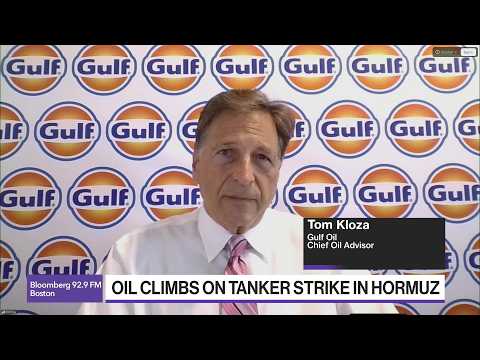
President Donald Trump has demonstrated a notable capacity to influence global oil markets, a phenomenon observed by industry analysts such as Tom Kloza of the Oil Price Information Service (OPIS). This influence stems from a combination of diplomatic pressure, strategic communication, and geopolitical maneuvering. The objective is often to stabilize prices or secure specific economic outcomes for the United States.
The dynamics of oil pricing are complex. They involve global supply and demand, geopolitical stability, and the actions of major producing nations. Presidential rhetoric and policy initiatives can significantly shift market sentiment and expectations.
The Role of Presidential Rhetoric in Oil Markets
President Trump’s approach to oil markets has often involved direct communication. He frequently used social media platforms, particularly X (formerly Twitter), to convey his administration’s stance on oil prices. These messages often targeted the Organization of the Petroleum Exporting Countries (OPEC) and its allies, known as OPEC+.
For example, during periods of rising oil prices, President Trump would publicly call on OPEC+ to increase production. He argued that high prices were detrimental to American consumers and businesses. Conversely, when prices plummeted, he advocated for production cuts to stabilize the market.
This direct engagement deviates from traditional diplomatic channels. It creates immediate market reactions. Traders and analysts closely monitor presidential statements for cues on potential policy shifts or diplomatic interventions.
Key Players and Geopolitical Leverage
Saudi Arabia, a key member of OPEC and the world’s largest oil exporter, frequently finds itself at the center of these discussions. The relationship between the United States and Saudi Arabia is critical to global oil stability. President Trump has often leveraged this relationship to influence OPEC+ decisions.
In April 2020, during the onset of the COVID-19 pandemic, global oil demand collapsed. This led to a historic price crash, with WTI crude briefly trading in negative territory. President Trump engaged directly with Saudi leaders and Russian President Vladimir Putin. He facilitated a deal that led to unprecedented production cuts by OPEC+.
This intervention was crucial in preventing a more severe crisis in the energy sector. It demonstrated the power of high-level diplomatic pressure in extreme market conditions. The cuts, totaling 9.7 million barrels per day, helped stabilize prices over the subsequent months.
Energy Independence and Domestic Production
A cornerstone of President Trump’s energy policy has been the pursuit of American energy independence. This involved promoting domestic oil and gas production, particularly through hydraulic fracturing and horizontal drilling. The United States became the world’s largest producer of crude oil under his administration.
Increased domestic supply provides a buffer against global supply disruptions. It also gives the U.S. greater leverage in international energy discussions. The ability to increase or decrease American production, even indirectly, influences global supply-demand balances.
This focus on domestic production allows the U.S. to be less reliant on foreign oil. It also positions the nation as a significant player in the global energy landscape. This dual role as both a major consumer and a major producer adds complexity to its market interventions.
Market Psychology and Expectations
Oil markets are highly sensitive to sentiment and expectations. Presidential statements can create immediate shifts in these psychological factors. A strong statement about potential sanctions or diplomatic actions can send prices soaring or plummeting.
Tom Kloza’s observation highlights this psychological impact. The market often anticipates actions based on presidential rhetoric. This anticipation can move prices before any concrete policy changes are enacted. The perception of presidential intent becomes as important as the actual policy.
For instance, threats of sanctions against oil-producing nations like Iran or Venezuela have historically led to spikes in oil prices. These threats signal potential supply reductions, even if the sanctions are not immediately implemented or fully effective.
Historical Context of Presidential Influence
Presidential influence on oil markets is not unique to the Trump administration. Previous U.S. presidents have also engaged with oil-producing nations and taken actions that impacted global energy prices.
President Richard Nixon, in the early 1970s, dealt with the Arab oil embargo. This event underscored the geopolitical importance of oil. It prompted efforts to reduce American dependence on foreign oil. President George W. Bush also focused on energy security following the September 11, 2001, attacks.
However, President Trump’s direct and often public approach marked a departure from some of his predecessors. His willingness to openly criticize or praise OPEC+ actions introduced a new dynamic into the market.
The Impact of Geopolitical Events
Geopolitical events frequently intertwine with presidential actions to influence oil prices. Tensions in the Strait of Hormuz, a critical chokepoint for global oil shipments, can cause immediate price spikes. Attacks on oil infrastructure, such as the 2019 drone attacks on Saudi Aramco facilities, also have significant market effects.
President Trump’s administration navigated several such events. His responses, often involving military posturing or diplomatic condemnations, were closely watched by energy markets. The perceived stability or instability in key oil-producing regions directly impacts supply risk premiums.
Trade disputes, particularly with China, also had indirect effects on oil demand. Economic slowdowns resulting from trade tensions could dampen global energy consumption. This, in turn, put downward pressure on prices.
Looking Ahead: The Future of Presidential Influence
The ability of a U.S. president to influence oil markets remains a significant factor in global energy economics. As global energy transitions continue, the nature of this influence may evolve.
However, as long as fossil fuels remain a primary energy source, geopolitical stability and supply management will be critical. The U.S. president’s role as a global power broker will continue to shape these dynamics.
President Trump’s tenure highlighted the effectiveness of a proactive and assertive approach to energy diplomacy. It demonstrated how a president can directly engage with producers and utilize rhetoric to guide market expectations.
Analysts like Tom Kloza continue to monitor these interactions. They understand that presidential communication is a powerful tool. It can affect the daily operations of the world’s energy markets.
Diplomats observe. Economists analyze. Traders react. The world watches.
The Role of OPEC+ in Price Stability
OPEC+, a group comprising the 13 OPEC members and 10 non-OPEC oil-producing countries, including Russia, holds significant sway over global oil supply. Their collective decisions on production quotas directly impact global prices. President Trump’s administration frequently engaged with this group to influence their output policies.
The group’s decisions are often complex, balancing the interests of its diverse members. Saudi Arabia and Russia are the two largest producers within the alliance. Their cooperation is essential for any significant production adjustment.
President Trump’s direct appeals often targeted these two nations. He sought to persuade them to align their production strategies with U.S. economic interests, particularly regarding gasoline prices for American consumers.
Economic Implications of Oil Price Fluctuations
Oil prices have broad economic implications. High oil prices can act as a tax on consumers, reducing disposable income and potentially slowing economic growth. Low oil prices, while beneficial for consumers, can harm domestic oil producers and lead to job losses in the energy sector.
President Trump’s interventions often aimed to strike a balance. He sought prices that were low enough to benefit consumers but high enough to support the U.S. shale industry. This balancing act required careful diplomatic maneuvering.
The U.S. economy’s sensitivity to oil prices makes presidential attention to the market a consistent feature of modern administrations. Energy costs influence inflation, manufacturing, and transportation sectors.
The Impact of Sanctions on Oil Supply
Sanctions imposed by the U.S. government on oil-producing nations like Iran and Venezuela have also played a role in global supply dynamics. These sanctions aim to restrict these countries’ ability to export oil, thereby reducing global supply and potentially impacting prices.
While the primary goal of sanctions is often political, their economic consequences for the oil market are undeniable. President Trump’s administration reimposed and intensified sanctions on Iran, for example, significantly curtailing Iranian oil exports.
The market response to these sanctions is often immediate. Reduced supply from one region means other producers, like Saudi Arabia or the U.S., might need to increase output to compensate. This dynamic becomes a critical part of the broader strategy to manage oil prices.
The effectiveness of sanctions is a subject of ongoing debate among economists and foreign policy experts. However, their capacity to disrupt oil flows and influence prices is well-documented.
Economies fluctuate. Geopolitics shifts. Markets respond. This complex interplay defines the modern energy landscape.