
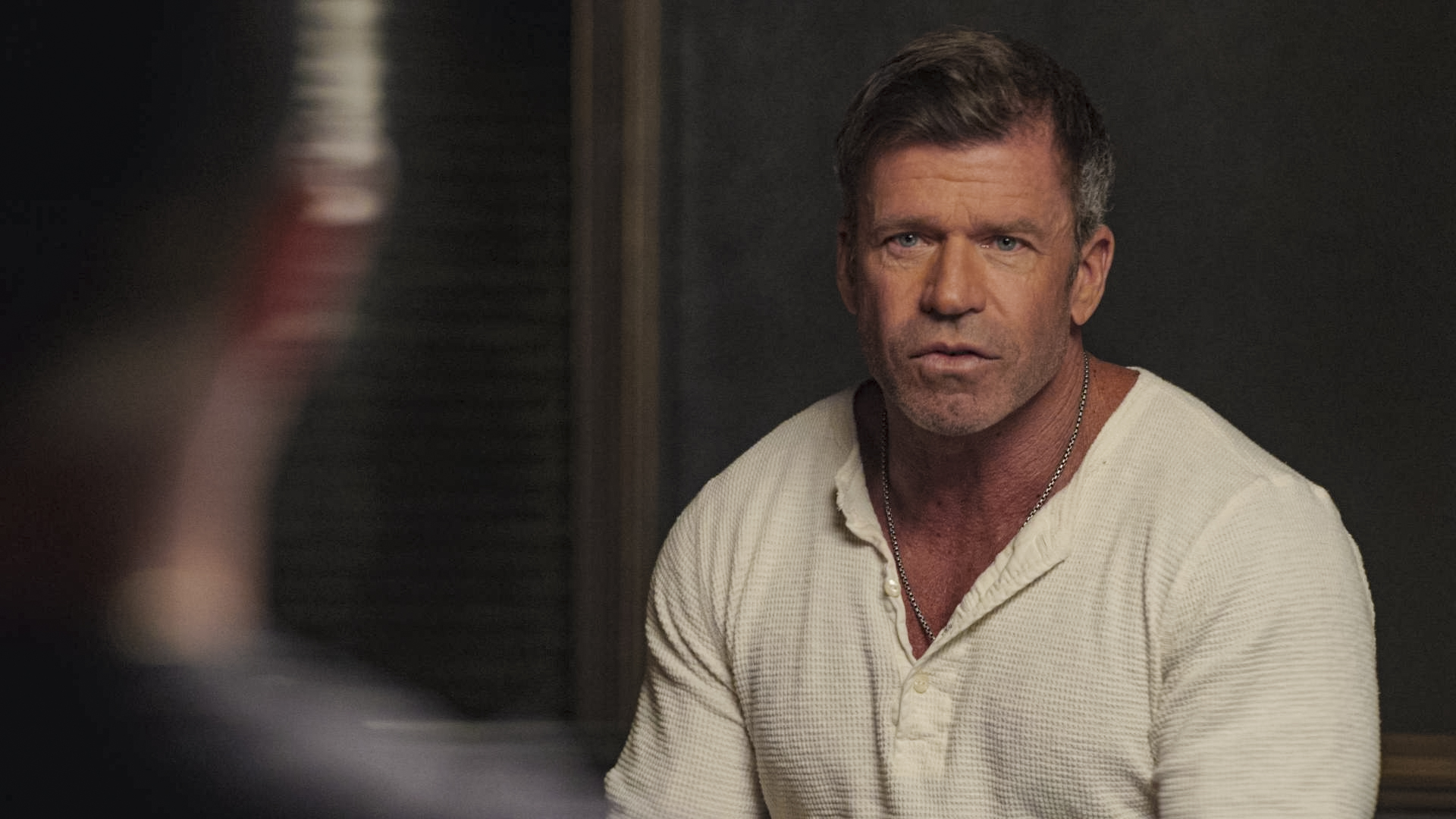
Taylor Sheridan, the acclaimed creator behind hit series like Yellowstone and 1883, recently articulated his frustration with studio executives and acknowledged a deliberate strategy of “rage-baiting” critics, asserting that his focus lies not in securing Emmy awards but in producing content that resonates with a wide viewership. His statements, reported on June 29, 2026, by Deadline, underscore a contentious relationship between creative talent and corporate oversight within the entertainment industry.
Sheridan’s remarks suggest a growing divide in Hollywood regarding artistic freedom, critical reception, and commercial success. He positioned his approach as counter to the traditional pursuit of industry accolades.
The Critique of Studio Executives
Sheridan’s comments included a direct critique of studio executives. He did not name specific individuals or companies. His complaints centered on the perceived interference and lack of understanding from these corporate figures regarding the creative process and audience demands.
This sentiment is not new in Hollywood. Many filmmakers and showrunners have historically expressed similar frustrations. The tension often arises from conflicting priorities: creative vision versus financial imperatives and market trends.
Sheridan’s perspective suggests that executive decisions can sometimes dilute or compromise the original artistic intent. This can lead to products that, in his view, fail to connect authentically with their intended audience.
Admitting to “Rage-Baiting” Critics
A notable aspect of Sheridan’s recent interview was his candid admission of “rage-baiting” critics. This strategy involves creating content or making statements designed to provoke a strong, often negative, reaction from professional reviewers.
The term “rage-baiting” implies an intentional effort to generate controversy or strong opinions. This can sometimes lead to increased visibility for a project, regardless of the critical sentiment.
Sheridan’s use of this tactic suggests a deliberate distancing from traditional critical validation. He appears to prioritize a direct relationship with his audience over the approval of industry critics.
Beyond the Emmys: A Focus on Audience Connection
Sheridan explicitly stated that winning Emmys is not his primary goal. The Emmy Awards are widely recognized as a pinnacle of achievement in television. His dismissal of these accolades highlights a different metric for success.
His emphasis lies instead on creating stories that connect with a broad audience. This audience-centric approach prioritizes viewership numbers and cultural impact over critical praise or awards season recognition.
This philosophy aligns with the commercial success of his productions. Series like Yellowstone have consistently drawn large viewerships, establishing a dedicated fan base across various demographics. The show’s popularity often contrasts with its sometimes mixed critical reception.
The Sheridan Universe: A Case Study in Popular Appeal
The interconnected “Sheridan-verse” of television series, including Yellowstone, 1883, 1923, Mayor of Kingstown, and Tulsa King, exemplifies his strategy. These shows often feature strong, morally ambiguous characters and explore themes of family, loyalty, and the American frontier.
These narratives have cultivated a distinct brand that resonates deeply with a specific segment of the viewing public. The shows’ success demonstrates that a significant audience exists for content that may not always align with mainstream critical preferences.
The expansion of this universe across multiple platforms, primarily Paramount+, indicates a robust commercial model driven by subscriber numbers and popular demand, rather than critical consensus.
Industry Dynamics: Critical Acclaim vs. Commercial Success
Sheridan’s comments reignite a long-standing debate within the entertainment industry: the tension between critical acclaim and commercial success. Some projects achieve both, while others excel in one area but not the other.
Historically, critical validation has often been seen as a gateway to prestige and awards. However, the rise of streaming services and diverse content consumption habits has broadened the definition of success.
For creators like Sheridan, a loyal and expansive audience base may hold more value than a shelf full of trophies. This shift reflects changes in how content is produced, distributed, and consumed in the 2020s.
The Role of Critics in the Modern Media Landscape
The role of television and film critics has also evolved. In an era of abundant content, critics often serve as curators, guiding audiences through a vast array of choices. However, their influence is sometimes perceived as less potent in the face of direct audience engagement through social media and fan communities.
Sheridan’s “rage-baiting” strategy suggests a deliberate attempt to bypass or even antagonize this traditional critical filter. He appears to aim for a direct conversation with his audience, unmediated by professional reviewers.
This approach can be polarizing. It can solidify a fan base while simultaneously alienating those who rely on critical analysis for their viewing choices.
The Future of Storytelling in Hollywood
Sheridan’s stance reflects a broader trend in Hollywood where creators with established fan bases gain significant leverage. This leverage allows them to challenge traditional industry norms and prioritize their artistic vision, even if it means clashing with corporate entities or critics.
The emphasis on authentic storytelling, even if provocative, signals a potential shift in how content is greenlit and marketed. It suggests that unique voices, once they prove their commercial viability, can dictate terms more effectively.
This dynamic could lead to more diverse and unconventional narratives reaching screens. It also poses questions about the long-term impact on critical discourse and the industry’s awards ecosystem.
Studio executives gathered. Critics wrote. Audiences watched. Sheridan spoke.