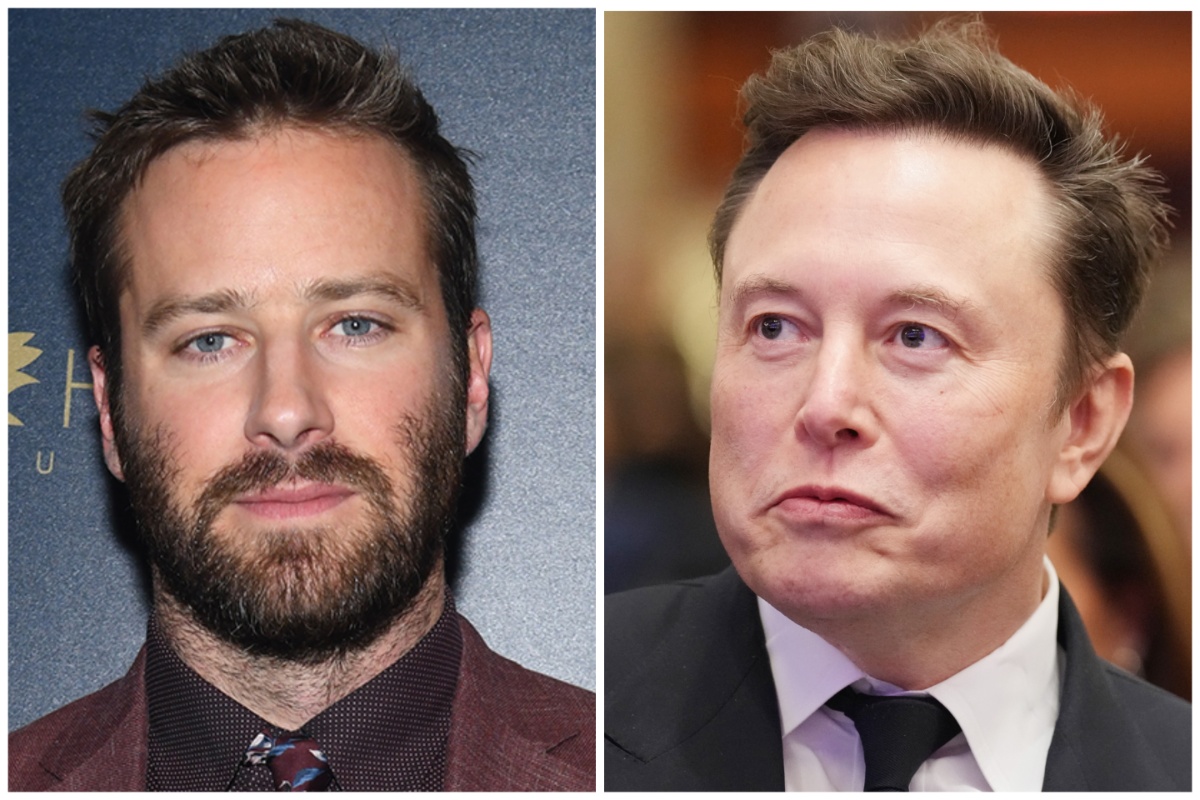

Elon Musk’s social media platform X briefly made the film ‘Citizen Vigilante,’ starring Armie Hammer, available for streaming. This action followed the film’s ban in Germany, igniting a discussion about content moderation, perceived censorship, and the distribution of media across international borders on digital platforms.
The move by X, under Musk’s ownership, positioned the platform as a potential avenue for content that faces restrictions elsewhere. It highlighted the ongoing tension between national content regulations and the global reach of internet-based services. The temporary availability drew immediate attention from various media outlets and social commentators.
The ‘Citizen Vigilante’ Film and its Context
‘Citizen Vigilante’ is a film featuring Armie Hammer in a prominent role. Details regarding the film’s plot and production remain limited in public discourse, but its association with Hammer and its subsequent ban in Germany have brought it into the spotlight. Hammer’s career has been subject to extensive public scrutiny in recent years.
The specific reasons for the German ban have not been widely detailed but typically involve concerns over content that violates national laws, such as those pertaining to hate speech, glorification of violence, or protection of minors. Germany maintains strict regulations on media content, which often differ from those in other countries.
The film’s brief appearance on X suggests a deliberate decision to host content that had faced prior restrictions. This aligns with Elon Musk’s stated commitment to free speech principles on the platform, although the temporary nature of its availability raises questions about the platform’s internal review processes.
X’s Content Moderation Policies Under Elon Musk
Since acquiring Twitter and rebranding it as X, Elon Musk has emphasized a commitment to free speech, often positioning the platform as a bastion against censorship. This stance has led to significant changes in X’s content moderation policies, which have been met with both praise and criticism.
The decision to host ‘Citizen Vigilante,’ even temporarily, can be seen as an extension of this philosophy. It challenges the notion that platforms should universally adhere to the content restrictions of individual nations. However, the global nature of X means that content available in one region may be illegal or deemed offensive in another.
The platform’s approach to content moderation has been a frequent subject of debate. Critics argue that a lax approach could lead to the proliferation of harmful content, while supporters contend it upholds fundamental rights to expression. The ‘Citizen Vigilante’ incident serves as a practical example of this ongoing tension.
The Role of International Bans and Digital Distribution
National bans on films or other media are not uncommon. Governments often implement such bans based on cultural, political, or legal grounds specific to their jurisdiction. These bans are designed to prevent the dissemination of content deemed harmful or illegal within national borders.
However, the advent of global digital distribution platforms like X complicates the enforcement of these national restrictions. Content uploaded to a platform can be accessed from virtually anywhere in the world, irrespective of local prohibitions. This creates a conflict between national sovereignty and the borderless nature of the internet.
Platforms are often faced with the challenge of either complying with individual national laws, which can lead to geo-blocking or removal, or asserting a more universal standard of availability. The ‘Citizen Vigilante’ case illustrates this dilemma, as X seemingly made the film accessible globally, at least for a short period, despite its German ban.
Armie Hammer’s Public Profile and the Film’s Impact
Armie Hammer, known for roles in films such as ‘The Social Network’ and ‘Call Me By Your Name,’ has experienced a significant shift in his public and professional life. Allegations of misconduct emerged in 2021, leading to a decline in his acting career and extensive media coverage.
The release or streaming of any film featuring Hammer now carries additional public interest and scrutiny. ‘Citizen Vigilante’ therefore gains a certain notoriety not only from its German ban but also from its association with the actor. This dual layer of controversy likely contributed to the attention it received on X.
The film’s brief availability on X also raises questions about the potential for platforms to become avenues for distributing content featuring individuals who have faced public condemnation or professional setbacks. This adds another dimension to the debate about free speech versus platform responsibility.
Reactions and Future Implications
The news of ‘Citizen Vigilante’ streaming on X quickly generated reactions across social media and news platforms. Advocates for free speech lauded the move as a stand against censorship, while others expressed concern over the platform potentially circumventing national laws or promoting controversial figures.
The temporary nature of the streaming availability suggests that X may have re-evaluated its decision or faced pressure to remove the content. This indicates that even platforms committed to free expression may encounter practical limitations or legal challenges when distributing content globally.
The incident contributes to the broader ongoing discussion about the future of content moderation on large digital platforms. It highlights the complex interplay between technological capability, legal frameworks, and public opinion in shaping what content is accessible online. Platforms must navigate these currents carefully.
Governments continue to grapple with regulating online content. Digital platforms continue to define their boundaries. Audiences continue to seek access to diverse media.
The debate continues.